
Shicheng Mobile Toilet Construction
The construction of mobile toilets in Shicheng typically features no need for civil engineering, complete finished product installation, and immediate usability upon placement, combining the advantages of factory prefabrication and rapid on-site assembly.
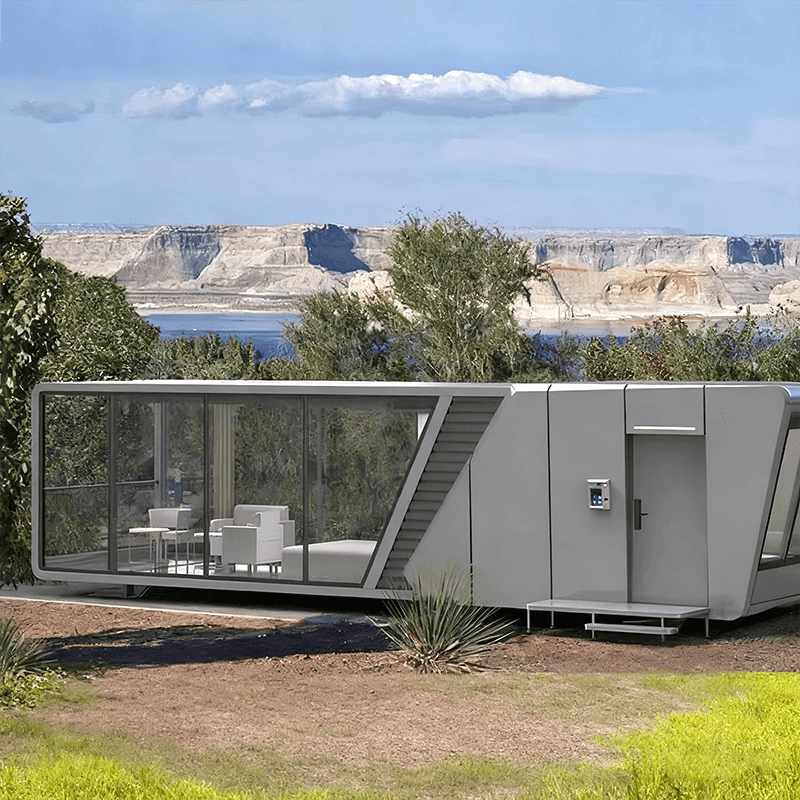
The frame structure of mobile toilets is their core supporting component, generally composed of welded steel. The base is welded using channel steel or I-beams, providing a stable foundation to ensure the stability of the toilet during use. The columns are made of square steel, further enhancing the overall structural strength and rigidity. The design of the frame structure not only meets the basic load-bearing requirements of the toilet but also has the characteristic of meeting lifting requirements, facilitating transportation and installation.
In terms of wall material selection, mobile toilets offer diversity. Common wall materials include color-coated steel plates, fiberglass-reinforced plastics, stainless steel, and metal carved panels, among others. Each of these materials has its own advantages; color-coated steel plates are lightweight, high-strength, and corrosion-resistant; fiberglass-reinforced plastics have excellent insulation properties and chemical corrosion resistance; stainless steel is favored for its aesthetic appeal, durability, and ease of cleaning; metal carved panels combine the strength of metal with the decorative nature of carvings, enhancing the appearance quality of the toilet.
The construction process of mobile toilets typically adopts the method of factory-prefabricated finished products. Within the factory, each component is precisely processed and assembled according to design requirements, ensuring consistency and stability in quality. After prefabrication is complete, the finished products are transported to the site for installation. This construction method offers significant advantages over the traditional process of site selection, material procurement, and on-site construction for toilets. It greatly shortens the construction cycle, reduces noise and dust pollution from on-site construction, and lowers the investment in labor, materials, and funds.
Additionally, the installation process of mobile toilets is relatively simple and quick. Since most of the work has been completed in the factory, only a small amount of assembly and debugging work is required on-site before the toilet can be put into use. This convenience enables mobile toilets to quickly respond to various temporary or emergency toilet needs, such as those at large events, construction sites, and disaster relief areas.



