
Shenzhen Prefabricated Housing
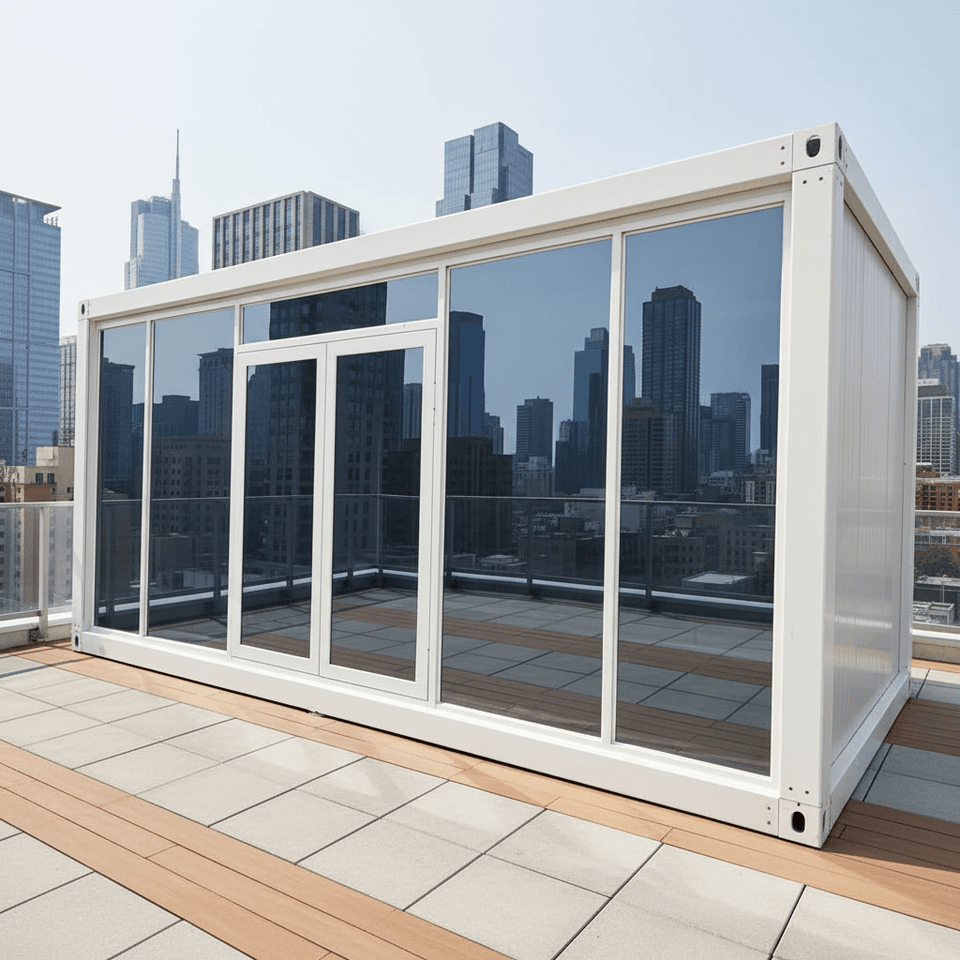
Shenzhen prefabricated housing (modular construction) is built using a factory-prefabricated, on-site assembly model, offering advantages such as intelligent production, efficient construction, and stable quality. It has achieved batch exports and is widely used both domestically and internationally.
I. Highly Intelligent Production Model
Shenzhen prefabricated housing employs permanent steel module production lines, achieving full-process automation from profile cutting to overall polishing and assembly. For example, the intelligent factory in China Construction Green Industrial Park is equipped with intelligent tracking welding robots and specialized equipment to meet the production needs of steel modules of different sizes. This model divides the house into independent box-type modules, completing the manufacturing of structures, decorations, water and electricity pipelines, and even furniture in the factory to form “finished modules,” significantly reducing on-site construction processes.
II. Significantly Improved Construction Efficiency
Unlike traditional on-site serial operations, modular construction adopts a factory parallel production model, shortening the construction period by more than 60%. For instance, a 16-story building assembled from 298 modules can be delivered in just 120 days; the Anju Jingxin Yuan project took only 148 days from the first module hoisting to the completion of the 30th-floor fine decoration. This efficiency improvement is attributed to the combination of factory standardized production and rapid on-site assembly. After the modules arrive at the site, they can be occupied after hoisting and connecting water and electricity, greatly shortening the overall project cycle.
III. Outstanding Quality and Environmental Advantages
Factory production ensures stable welding accuracy and decoration quality, with far higher quality controllability than traditional construction. At the same time, on-site construction volume is reduced by more than 80%, significantly lowering dust, noise, and construction waste emissions, meeting green building standards. Additionally, modular construction enables industrial chain collaboration of “Shenzhen R&D + Shenshan manufacturing + direct port shipping,” relying on Xiaomo International Logistics Port for low-cost overseas shipping. It has already shipped three batches by charter to overseas markets, demonstrating strong international competitiveness.
IV. Continuous Expansion of Industrial Scale
As of now, the scale of prefabricated construction in Shenzhen has exceeded 150 million square meters, with the proportion of new projects using prefabricated construction expected to reach 64.03% by 2026. This data indicates that prefabricated housing has become the core direction for the transformation and upgrading of Shenzhen's construction industry, with its standardized, intelligent, and green characteristics driving the industry toward efficient and sustainable development.



