
Shenzhen Mobile Public Toilets
Shenzhen has a diverse range of mobile public toilets, including ordinary mobile public toilets, luxury mobile public toilets, and tidal public toilets, which are distributed in different areas and have distinct characteristics.

Ordinary Mobile Public Toilets
There are ordinary types of mobile public toilets in Shenzhen, such as the Haidui Road Mobile Public Toilet, located in the parking lot of Haidui Road, Nan'ao, Dapeng New District, Longgang District, Shenzhen. These mobile public toilets are usually movable and can be adjusted and relocated according to actual needs, facilitating their placement in different locations to meet the toilet needs of people in specific areas or during events. Their construction is relatively conventional, mainly providing basic toilet functions to solve daily toilet problems for surrounding residents or passersby.
Luxury Mobile Public Toilets
Shenzhen also has relatively luxurious mobile public toilets. Although these toilets may not be large in area, they are well-equipped. They are equipped with human body temperature-sensing toilets, which are intelligent devices that can automatically flush based on the body temperature感应(此处原文中文“感应”在英文语境下直接用“sensing”体现功能,若要更正式表达可改为“detection”) of the human body. This not only enhances the convenience of use but also reflects a certain degree of technological sophistication. Moreover, these luxury mobile public toilets operate on a 24-hour unmanned mode, using advanced technology and management methods to function normally without supervision. At the same time, they perform excellently in water conservation, saving up to two tons of water, which is of great significance for saving water resources, reducing operating costs, and environmental protection.
Tidal Public Toilets
Shenzhen has also piloted the construction of tidal public toilets, an innovative type of public toilet. As of November 2024, six have been built in Nanshan District. Tidal public toilets achieve dynamic adjustment of male and female toilet stalls through physical partitions. At different times, depending on the varying number of male and female toilet users, the number of male and female toilet stalls can be flexibly changed, effectively alleviating the problem of women queuing for toilets in public places, improving the efficiency and fairness of public toilet use, and better meeting people's toilet needs in public places.
You may also like
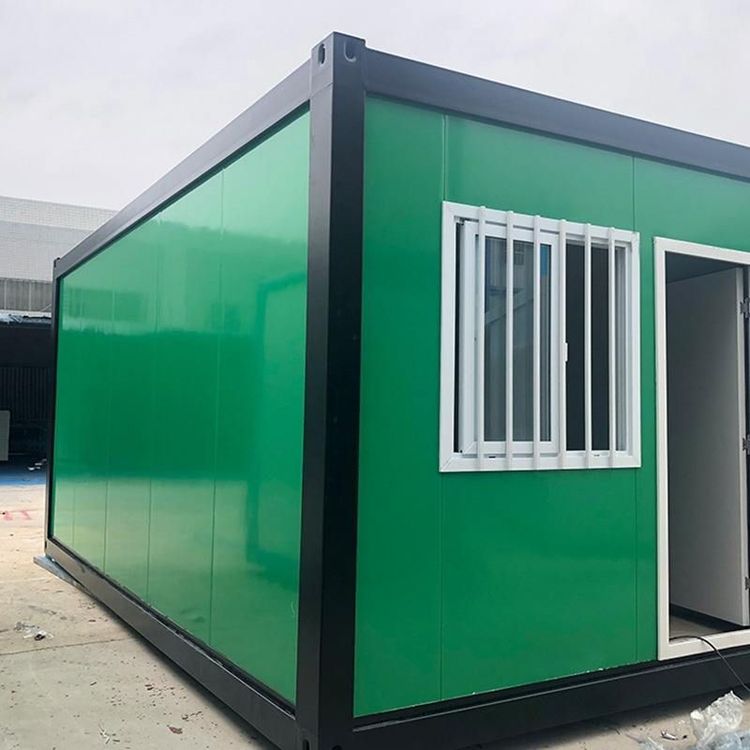
Portable Toilet Container in 2026: Buying Guide & Recommendations
Read More
Portable Toilet Color Steel Custom & OEM: Design & Bulk Production Guide
Read More
Portable Toilet Color Steel: Top Options & Considerations
Read More