Mobile Toilets at Lotus Hill in Shenzhen
During the 2025 Shenzhen Bougainvillea Flower Appreciation Week, Lotus Hill Park in Shenzhen added high-standard mobile toilets to meet the toilet needs. Here are the specific details:
I. Source and Design of Mobile Toilets
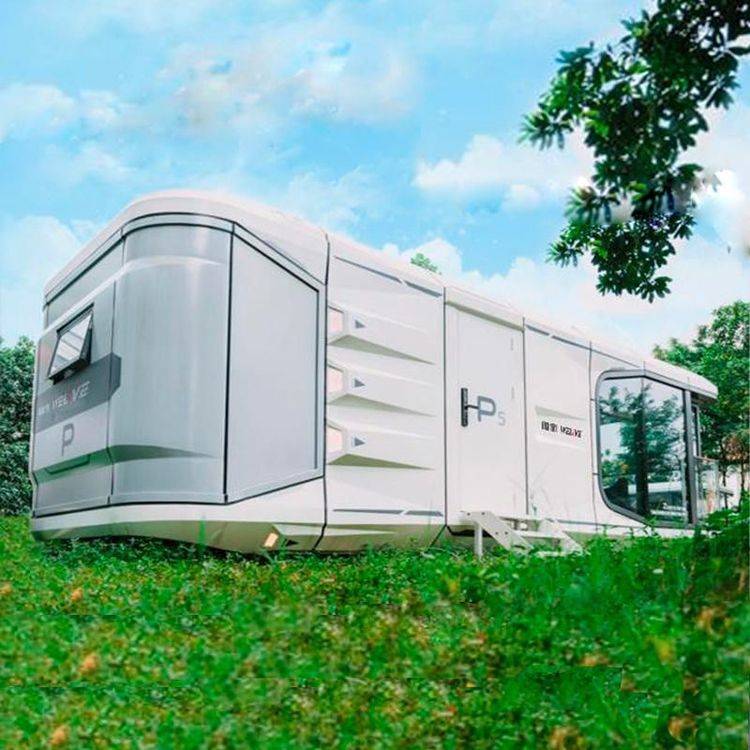
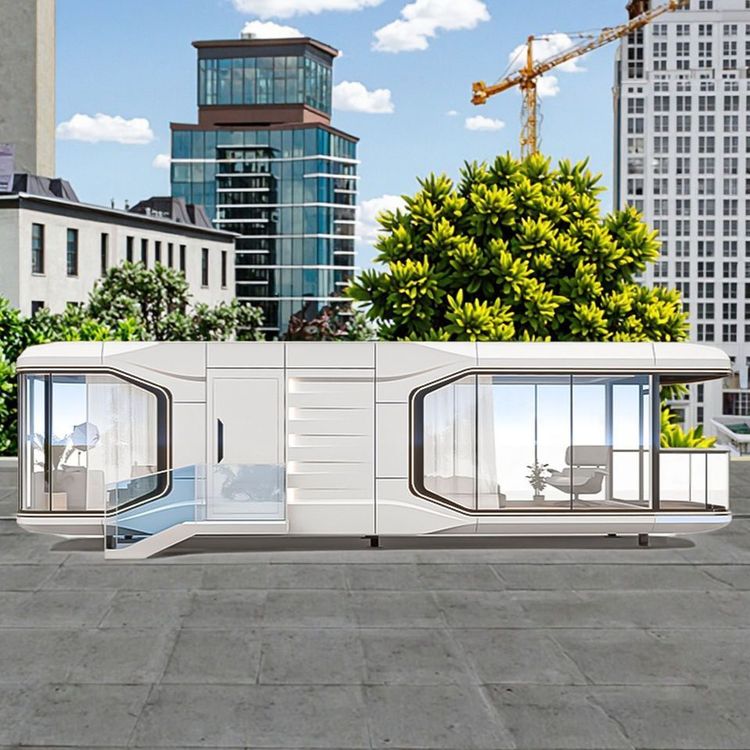
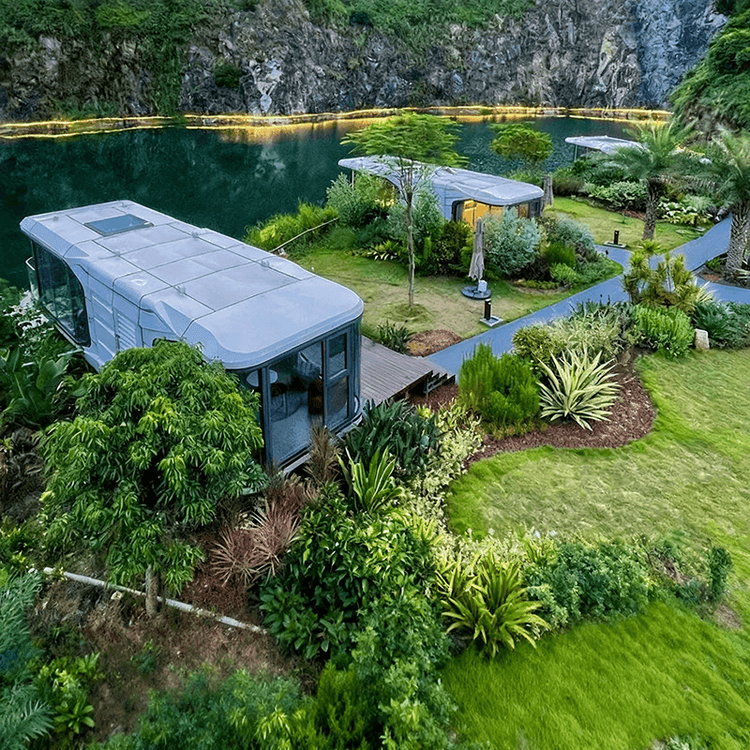
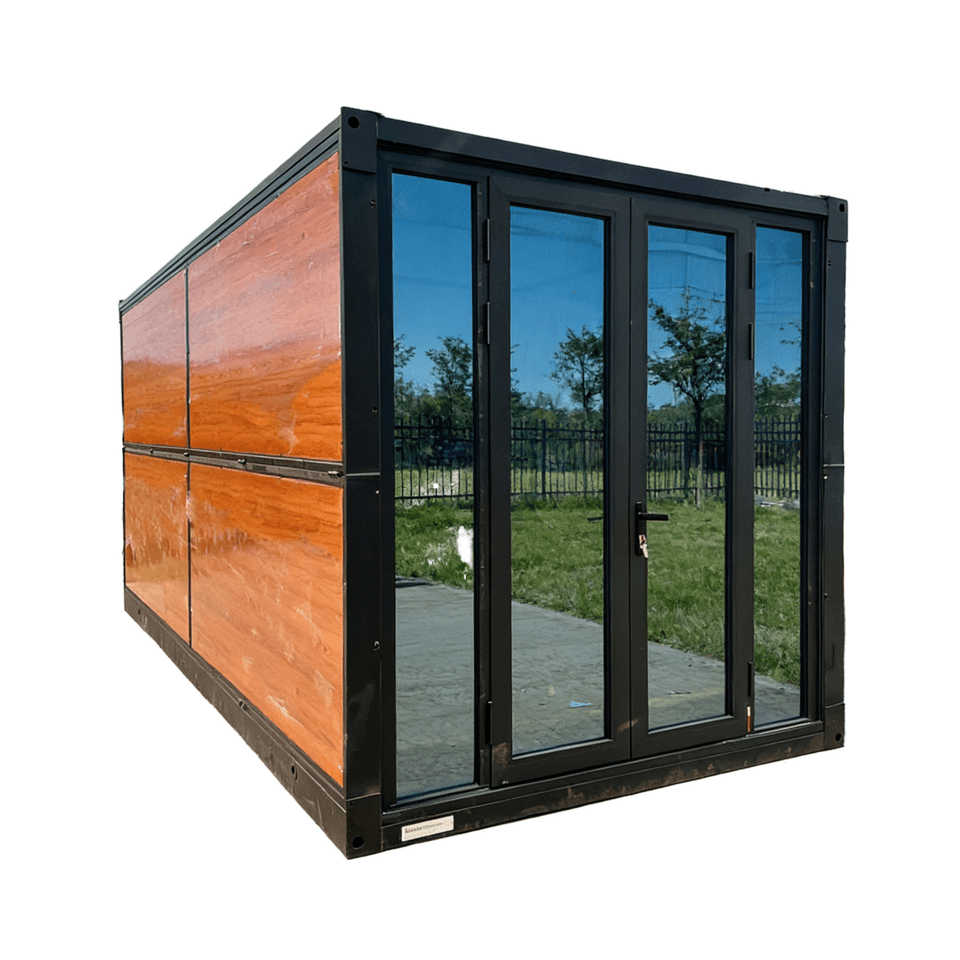
These mobile toilets are provided by Wudahu New Concept Environmental Protection Technology Co., Ltd. They adopt an integrated design that is ready for immediate use, enabling rapid deployment and commissioning. Their distribution has been reasonably planned to cover the main areas of the flower exhibition and the vicinity of popular attractions, ensuring that tourists can easily find toilet facilities during their visits. This design not only meets the needs of temporary large-scale events but also avoids the long construction period and high costs associated with traditional public toilets.
II. Completeness of Internal Facilities
Although the space in mobile toilets is limited, the internal facilities are thoughtful and complete. Basic sanitary facilities such as toilets, washbasins, and mirrors are all available, along with configurations like air conditioners and storage shelves to enhance the user experience. Some facilities adopt sensor-based designs, such as sensor faucets and sensor flushing devices, reducing hand contact and ensuring both hygiene and convenience. In addition, the ventilation and deodorization systems use efficient air circulation technology to ensure smooth air flow and no odors inside, and are equipped with various cleaning tools to facilitate timely cleaning and maintenance by staff, ensuring the long-term hygiene of the toilets.
III. Supply-Demand Contradiction During Use
Although the park has optimized its services by adding smart mobile toilets and providing guidance for nearby public toilets, there is still a significant gender-based queuing phenomenon during the event: long lines form in front of women's toilets, while men's toilets have no queues. This phenomenon is mainly due to the longer time women take to use the toilet (on average, 2-3 times longer than men) and the higher demand for toilet stalls resulting from physiological differences. Although the addition of mobile toilets has alleviated some of the pressure, the failure to adjust the ratio of men's to women's toilet stalls (such as adopting a ratio of 1:2 or higher) has resulted in the continued prominence of the problem of women having difficulty finding toilets during peak periods. This contradiction reflects the need to pay more attention to the balance between gender equality and humanized needs in the design of public facilities.