
Shenzhen Large-scale Container House
Shenzhen's large-scale container houses are a form of construction where housing modules are prefabricated in factories, loaded into containers for transportation, and assembled on-site. This approach offers advantages such as short construction periods, low costs, and environmental friendliness, making it widely applicable across various fields.
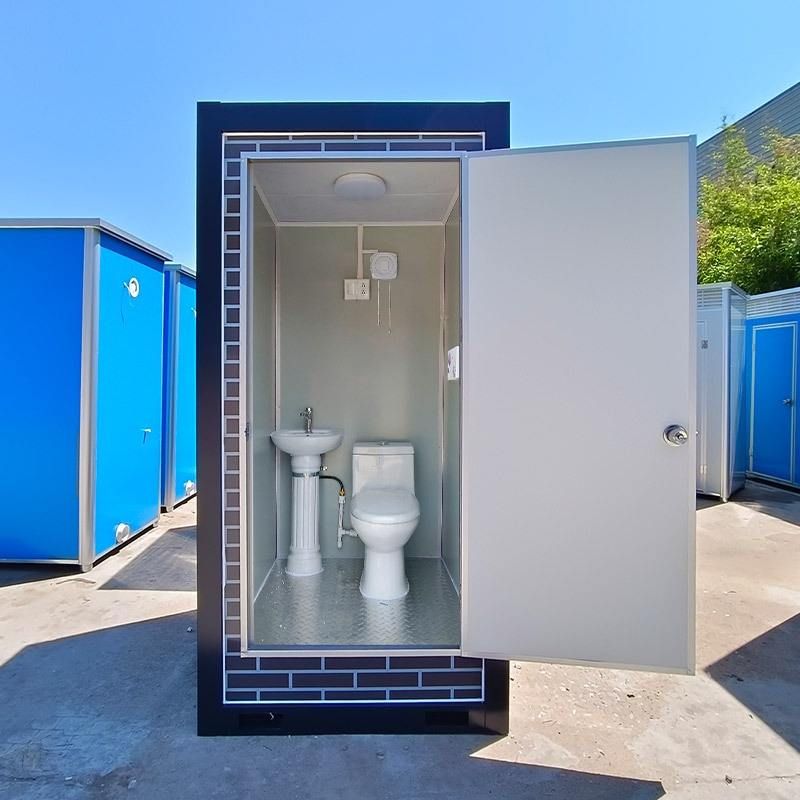
I. Construction Method and Characteristics
Shenzhen's large-scale container houses adopt a modular construction approach. The houses are disassembled into independent modules, with precise assembly of steel structures, walls, pipelines, and bathrooms completed in factories. These modules are then transported to their destinations via containers and quickly assembled on-site, much like building with blocks. This method reduces construction time by over 60% compared to traditional methods. For example, a modular elderly care apartment purchased by British merchants took only two weeks from shipment to completion of hoisting and construction. The MRDC modular hotel project in Papua New Guinea shortened its overall delivery cycle from 14 to 18 months with traditional construction to about 7 months.
II. Cost and Resource Savings
Container houses offer significant savings in labor and materials. Skilled construction workers in Europe and the United States earn hourly wages equivalent to RMB 200 to 400, with labor costs accounting for up to 40% of the total project cost. In contrast, modular construction sites typically require only about 45 permanent personnel, far fewer than the 80 to 120 multi-skilled workers needed on traditional cast-in-place sites. Factory-standardized CNC cutting results in steel waste of only 3% to 5%, compared to 8% to 12% on traditional construction sites. Lightweight steel structure modules also significantly reduce the consumption of foundation materials, lowering material usage by 60% to 70%.
III. Application Fields and Market Prospects
Shenzhen's large-scale container houses have a wide range of applications, including temporary dormitories for construction workers, temporary offices, factory buildings, sentry boxes, shops, fieldwork sites, outdoor performances, exhibitions, large-scale sports events, mobile office spaces, warehousing, and sentry posts. They are also suitable for use as offices, command centers, dormitories, conference rooms, warehouses, shops, toilets, equipment rooms, and various temporary and mobile housing in industries such as construction, railways, highways, water conservancy, petroleum, and tourism. With the explosion of global AI computing infrastructure construction, high-end residences and data centers have become important growth areas, and the market prospects for modular construction are broad. It is expected that the global market size will continue to expand by 2030.



