Shenzhen Intelligent Movable Toilet
The Shenzhen Intelligent Movable Toilet is a modern public sanitation facility that integrates technologies such as the Internet of Things (IoT), 5G, and big data. It features intelligent management, modular design, smart operation, and user-friendly services, making it suitable for various scenarios including scenic spots, municipal areas, and parks.

1. Intelligent Management: Full-Scenario Perception and Automated Services
The Shenzhen Intelligent Movable Toilet utilizes an IoT system that integrates multiple sensors to achieve full-process intelligent control. For example, human presence sensors automatically trigger lighting and flushing equipment; odor sensors continuously monitor air quality and activate ventilation systems for deodorization; and consumable sensors (such as those for toilet paper and hand soap) provide early warnings for replenishment needs, preventing shortages. Some toilets are also equipped with energy consumption monitoring modules to optimize water and electricity usage efficiency. This "perception-response" model significantly enhances management efficiency and reduces manual intervention.
2. Modular Design: Rapid Deployment and Flexible Relocation
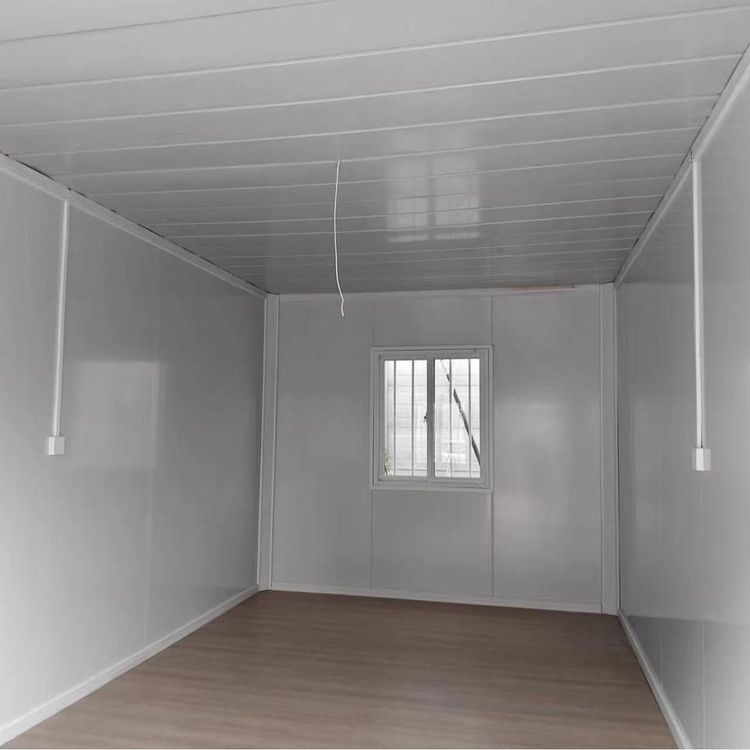
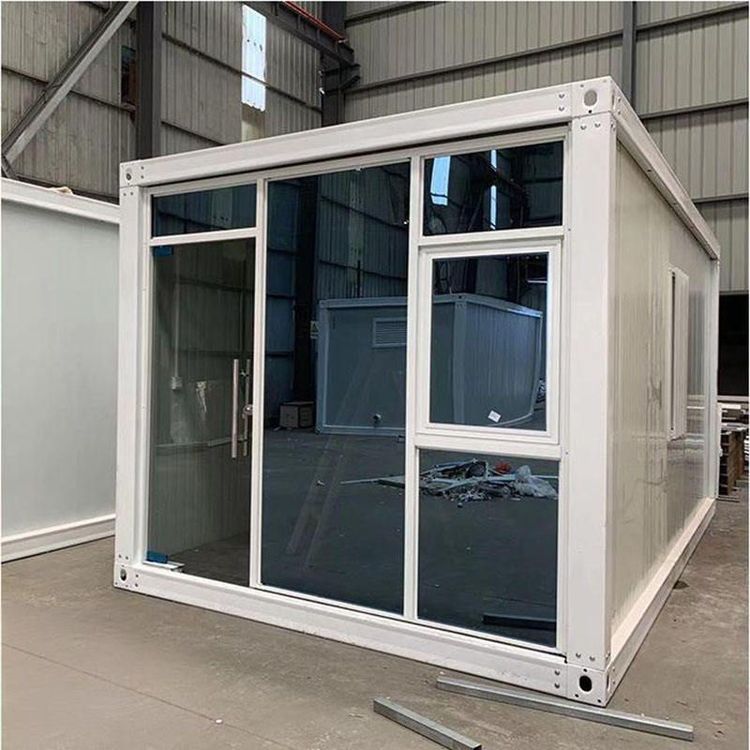
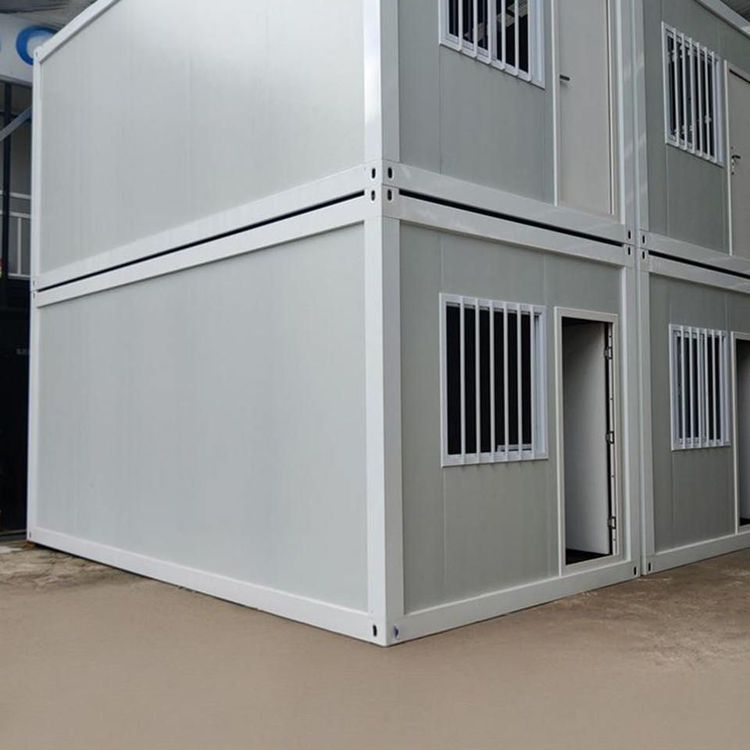
The equipment adopts a standardized modular structure, allowing the entire unit to be pre-assembled and put into use immediately upon installation without complex construction. For instance, Junhan Smart Mobile Toilets offer both squat and sit options to meet the needs of different user groups. Their relocatable nature enables them to quickly respond to temporary toilet demands, such as those at large events or disaster emergencies, and can be directly removed after use to avoid resource waste.
3. Smart Operation: Contactless Interaction and Automatic Maintenance
The toilet interior is equipped with smart hardware to enable "unmanned" operation. For example, QR code-based door access, touchless soap dispensers, hand dryers, and trash bins reduce the risk of contact transmission; smart toilets can automatically replace seat covers, flush, and some models are even equipped with disposable seat pad replacement functions. Additionally, a 20-minute voice reminder function prevents prolonged occupation and improves usage turnover rates.
4. User-Friendly Services: Detail Optimization Enhances Experience
The facility design takes into account diverse needs: barrier-free access, baby changing stations, dual USB charging ports, background music playback, and air fresheners are provided to offer convenience to disabled individuals, families with children, and general users. For example, some public toilets in Shenzhen streets enhance hygiene and convenience through features such as QR code-based door access, automatic seat cover replacement, and flushing.
5. 5G IoT and Big Data Cloud: Supporting Efficient Management
Based on high-speed 5G networks, the toilet can upload real-time operational data to the cloud, allowing managers to monitor equipment status, pedestrian flow distribution, and consumable consumption through a platform, enabling refined operation and maintenance. Big data analysis can also predict peak usage times and optimize resource allocation, such as increasing cleaning frequency or replenishing consumables in advance.
6. Wide Application Scenarios: Covering All Public Space Needs
This technological solution is suitable for various scenarios including scenic spots, municipal roads, parks, and temporary construction sites. For example, modular toilets can be deployed in scenic areas to cope with surges in tourist traffic; municipal roads can achieve remote management through 5G IoT; and temporary event venues can be quickly set up and dismantled, minimizing environmental impact.