Shenzhen Container House
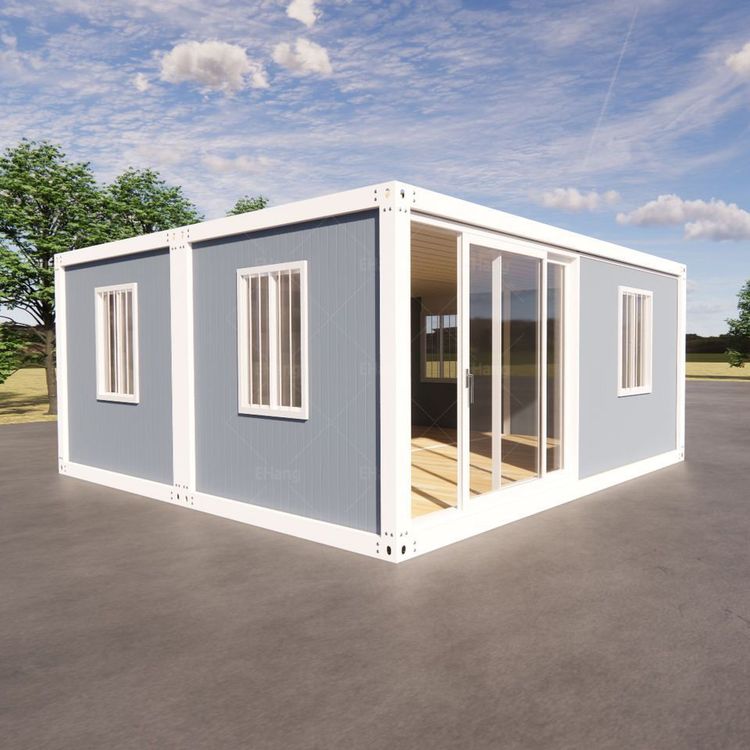
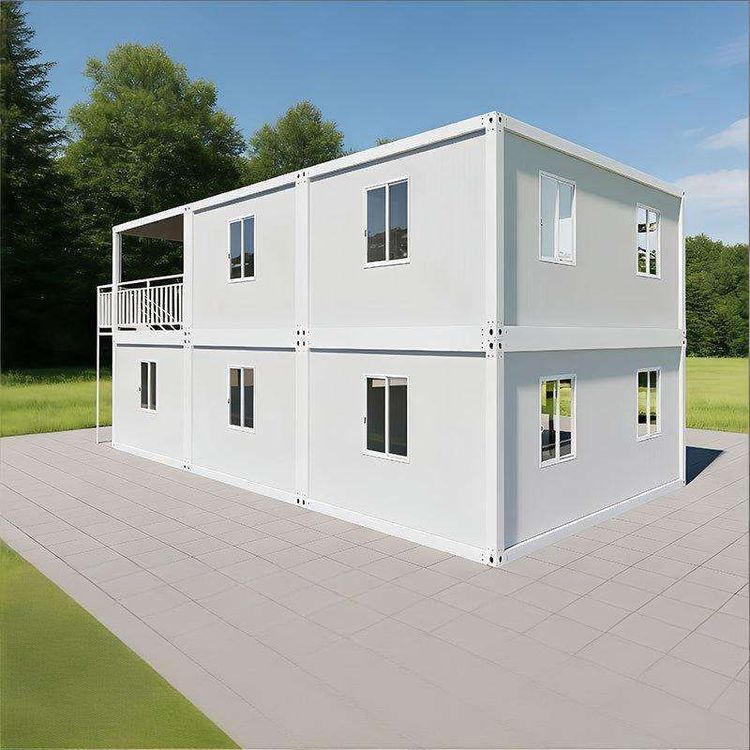
Shenzhen's container houses are a form of architecture that breaks down the house into standardized modules, prefabricates them in factories, and then transports them to the site for assembly. They are characterized by efficiency, environmental friendliness, and flexibility, and are widely used in temporary buildings, commercial spaces, and overseas export markets.
I. Technical Features and Advantages
Modular Prefabrication
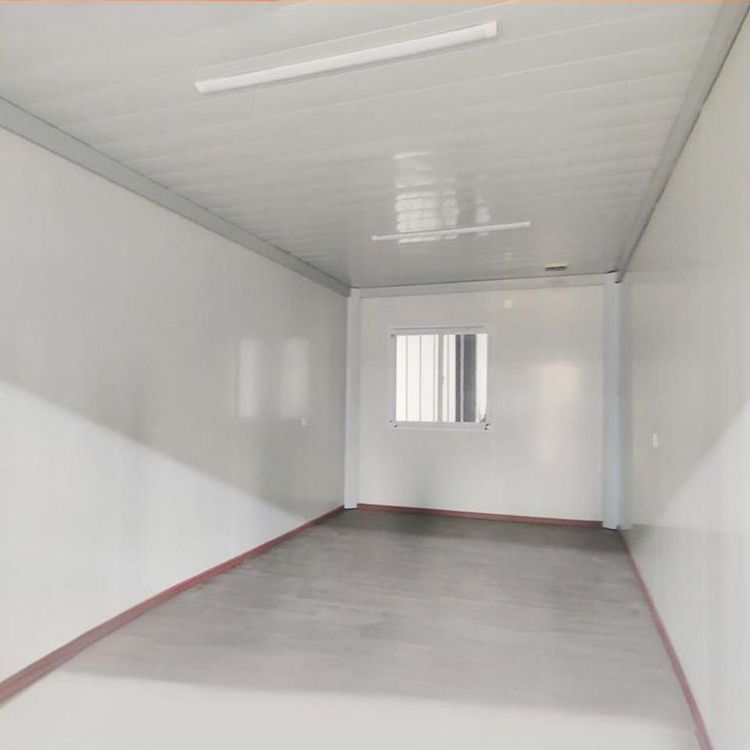
Container houses are based on steel structural frames, dividing the house into independent modules (such as the floor, roof, and sides). The main structure, plumbing, electrical wiring, bathroom fixtures, and interior decoration are completed on factory assembly lines with precision controlled within 1-2 millimeters. After the modules arrive at the site, they are quickly assembled using steel structural frames to form a complete building, reducing the construction period by more than 50% compared to traditional methods.Environmental Protection and Recyclability
Environmentally friendly materials such as flame-retardant rock wool sandwich panels are used, integrating insulation, fire resistance, sound insulation, and waterproofing functions, reducing construction waste by more than 60%. The modules can be repeatedly disassembled and relocated to different sites. The light steel structure, after anti-corrosion treatment, has a service life of more than 15 years, meeting green building standards.Efficient Transportation and Deployment
The modular design facilitates container shipping by sea. The Shenzhen-Shanwei Special Cooperation Zone leverages its 20-kilometer 'port-industry linkage' advantage to implement the 'Shenzhen R&D + Shanwei manufacturing + direct port shipping' model, exporting products to more than 150 countries and regions, including Australia, New Zealand, and North America. For example, 87 modules depart from Xiaomo Port in Shenzhen and can be assembled on-site in Australia in just 20 days.
II. Application Scenarios and Market
Temporary Buildings and Commercial Spaces
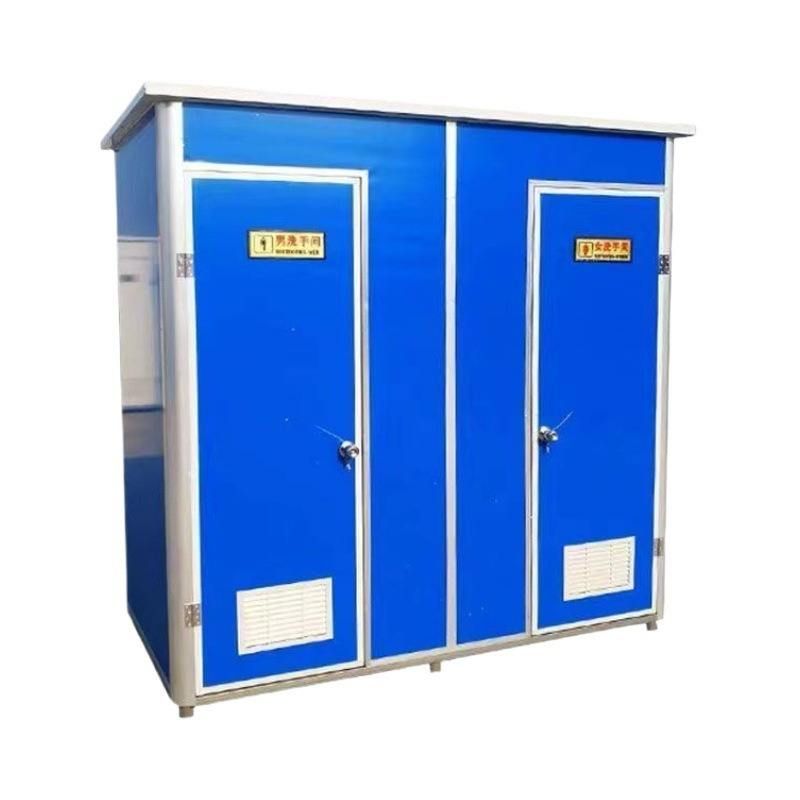
Local enterprises in Shenzhen provide residential containers and movable panel houses for use in construction site offices, temporary accommodations, commercial exhibition halls, and other scenarios. For instance, Xiangdada Mobile Housing Company offers a rental plan of 3 yuan per day to meet short-term needs.Overseas Exports and High-End Projects
In the first four months, the export value of movable houses from Shenzhen ports reached 1.68 billion yuan, a year-on-year increase of 19.6%. The products include steel structural modular building units and prefabricated data center modules, applied in projects such as elderly care apartments in the UK, hotels in Papua New Guinea, and AI data centers in Malaysia, reducing the construction period by nearly half compared to traditional methods.Technological Innovation and Standard Setting
The Shenzhen Container Modular Housing Creative Engineering Laboratory, in collaboration with Harbin Institute of Technology, conducts research on structural mechanics, durability, and other topics, has formulated 4 normative procedures, and been granted 3 invention patents, promoting the standardized development of the industry.
III. Typical Cases and Data Support
- CSCEC Integrated Project: The 87 modules customized for Australia were installed on-site in just a few days, receiving high recognition from the client.
- CIMC Group Data Center: The Malaysia 2312 project, with a load capacity of 60MW, was completed in less than 10 months, 50% shorter than the traditional model.
- Cost Comparison: In Europe and the United States, the hourly wage for labor is 200-400 yuan, while only 45 people are needed on-site for modular construction; steel waste is 3%-5%, compared to 8%-12% on traditional construction sites.