
Shenyang Marathon Portable Toilets
In the Shenyang Marathon event, the rental, deployment, and management of portable toilets ensure service needs through multi-dimensional strategies, covering equipment selection, placement planning, cleaning and maintenance, and logistical support.
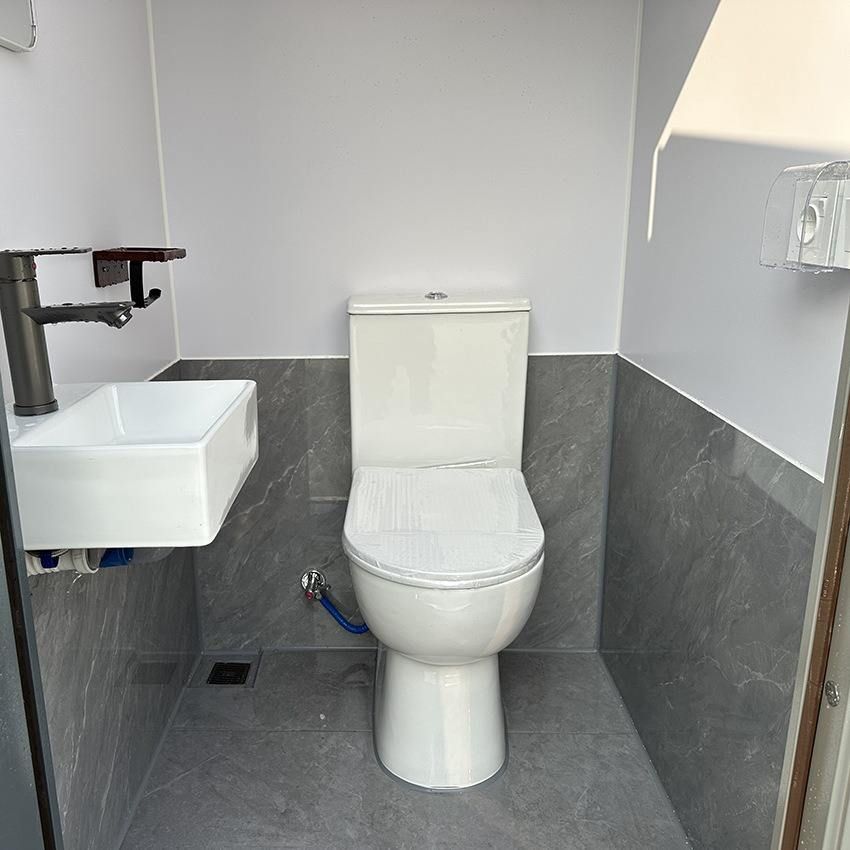
1. Portable Toilet Rental Service Providers and Equipment Features
The rental services for portable toilets at the Shenyang Marathon are provided by multiple professional companies, offering a diverse range of equipment types with optimized technical parameters.
- Shenyang Jintongchuang Traffic Facilities Engineering Co., Ltd.: Provides intelligent integrated toilets made of stainless steel, metal carved panels, and steel structures, featuring thermal insulation, environmental protection, and durability. The specifications and designs can be customized to meet different scenario requirements.
- Jingjie Ecological Environmental Sanitation Equipment (Shenyang) Co., Ltd.: Their products use HDPE high-density polyethylene environmental materials, are water-saving and energy-efficient (0.5-1 liter of water per flush), and can be assembled quickly (within 20 minutes with electric tools). The transportation design integrates forklift frames and crane hooks, ensuring odorless operation and durability exceeding 10 years.
- Other Suppliers: Offer imported plastic environmental toilets with attractive appearances and good ventilation, equipped with water tanks and fecal storage tanks, suitable for use without water or sewage systems, including both dry and flush types, with equipment newness rates above 80%.
2. Placement Strategy and Dynamic Adjustment Principles
The layout of portable toilets follows the principles of spatial matching and dynamic adjustment, optimizing configurations based on crowd flow characteristics and event functional requirements:
- High-Density Areas: Increase facility density in crowded areas such as the starting point, finishing line, and along-route supply stations, and set up barrier-free toilet stalls to meet special needs.
- Avoiding Critical Paths: Stay clear of race routes, emergency channels, and important functional nodes to ensure uninterrupted event operations and emergency responses.
- Flexible Reserved Space: The placement plan reserves room for adjustments, dynamically adding or removing facilities based on real-time crowd heat maps to enhance resource utilization efficiency.
3. Technical Parameters and Environmental Protection Technology Applications
Equipment selection focuses on flush water pressure stability, waste storage capacity, ventilation and deodorization efficiency, and consumable replenishment cycles:
- Water-Saving Technology: Such as Jingjie Ecological's 0.5-1 liter low-water flush design, reducing water consumption.
- Environmental Protection Treatment: Some equipment integrates graywater recycling or biodegradation technology to reduce the environmental impact of waste discharge.
- Durability Design: Uses corrosion-resistant materials and modular structures to extend equipment lifespan and reduce maintenance costs.
4. Cleaning and Maintenance and Waste Disposal Processes
Standardized operating procedures are established during the event:
- Daily Cleaning: Includes internal wiping and disinfection and monitoring of the liquid level in the fecal tanks to ensure hygiene standards.
- Waste Removal Planning: Precisely plan waste removal routes and times to avoid conflicts with event schedules.
- Quality Standards: Define cleaning frequencies and quality requirements to ensure a good user experience.
5. Logistical Support Network Guarantee
Material and energy replenishment run parallel to the event logistics system, with mobile replenishment vehicles making rounds to accurately calculate consumable consumption rates at each point, ensuring a continuous supply of flushing liquids, disinfectants, and other materials.



