
Shenyang Environmental Protection Mobile Plastic Toilet
The Shenyang environmental protection mobile plastic toilet is a typical product that combines environmental protection technology with urban planning, featuring eco-friendly materials, efficient functionality, and diverse energy sources.
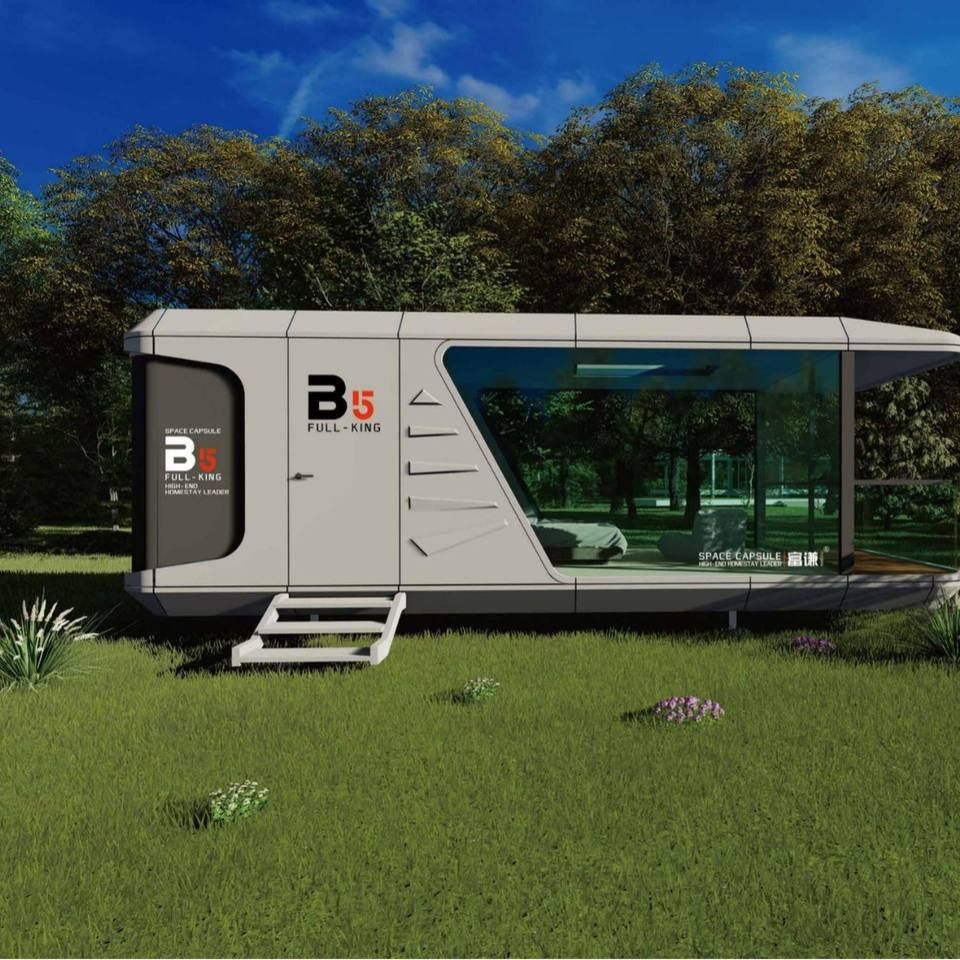
Materials and Design: The main structure utilizes low-energy, recyclable materials such as engineering plastics, aluminum alloys, or fiberglass-reinforced plastics. The outer shell is a composite structure of polymer composite materials and metal frames, ensuring both weather resistance and stability. The internal piping uses antibacterial engineering plastics to reduce microbial growth and the need for cleaning agents. The modular design supports overall transportation and internal functional zone adjustments, such as adding or removing accessible restrooms or maternal and child care units. Standard units occupy 2-5 square meters, while compact models can be embedded into building corners.
Outstanding Environmental Functions:
- Water Conservation and Waste Treatment: Equipped with vacuum suction or micro-flush technology, the water consumption per use is only one-tenth of traditional systems. Waste is temporarily stored in sealed containers, and some units integrate biodegradation devices that use microorganisms to break down organic matter, reducing subsequent treatment loads.
- Water Recycling System: Through three-stage treatment (primary filtration, biological decomposition, and disinfection), water is reused for non-potable purposes such as flushing or landscaping, achieving a daily water-saving rate of approximately 70%.
- Waste Separation and Treatment: Solid waste is collected via vacuum pipes into sealed containers, while liquid waste enters the water recycling system, preventing methane emissions from mixed fermentation and enabling resource recovery.
Diverse Energy Supply: In addition to mains electricity connections, most units are equipped with solar photovoltaic panels that convert sunlight into electricity for lighting, ventilation, and other systems. An energy management module monitors power consumption in real-time and automatically switches power modes to ensure basic functionality in areas with unstable electricity supplies.
Urban Management Advantages: The independent structure facilitates fault diagnosis and component replacement, reducing public space occupation. IoT sensors collect operational data (such as usage frequency and remaining consumables) to help management departments predict maintenance cycles, optimize scheduling routes, and lower operational costs.
Climate Adaptability Design: Tailored to Shenyang's seasonal climate, the walls adopt a hollow insulation structure filled with phase-change energy storage materials that release heat when solidifying in winter and absorb heat when melting in summer. Combined with a variable-frequency ventilation system, this maintains a comfortable internal temperature while reducing additional energy consumption.



