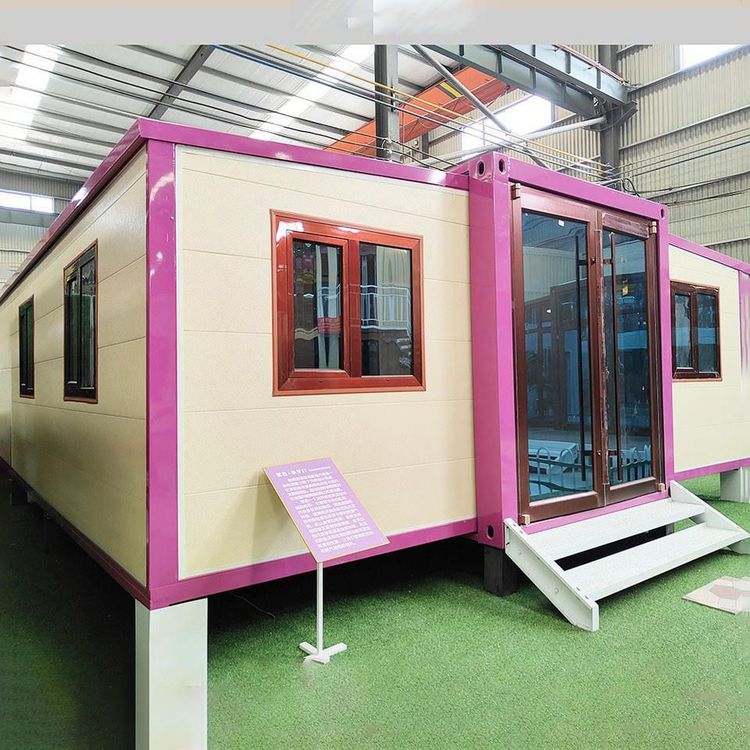
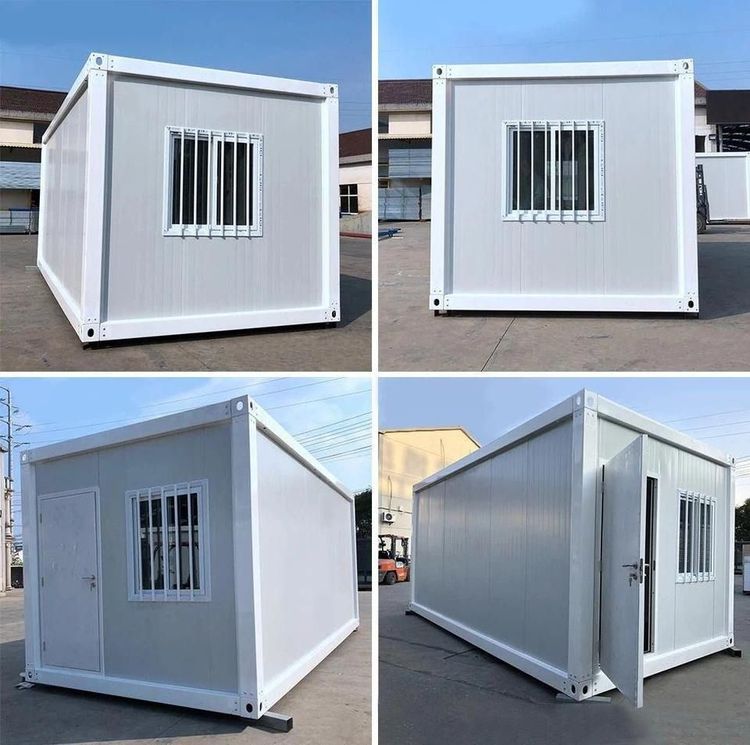
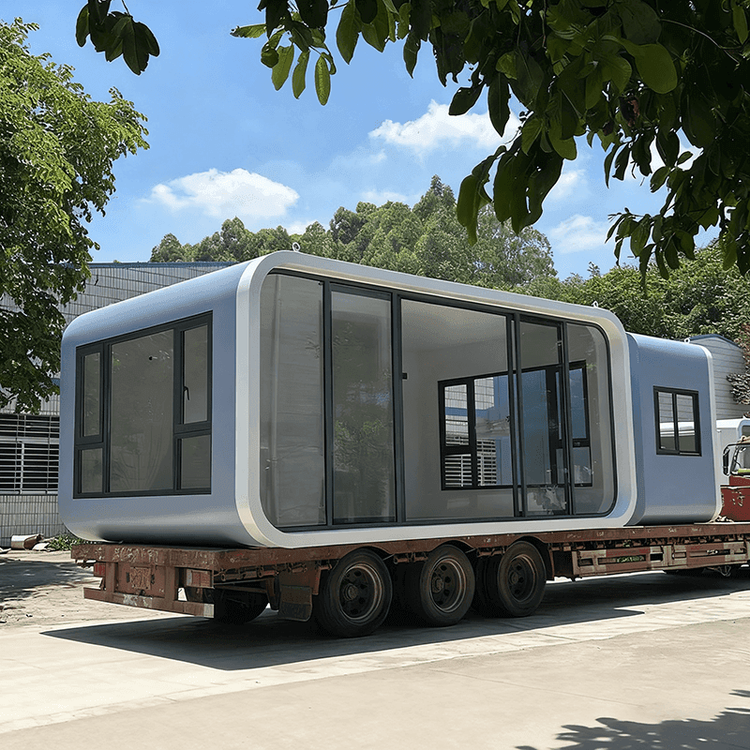
Shenyang Container House
Shenyang container-house compensation must be judged comprehensively by the nature of the building, title ownership, and local policy. Cases typically fall into the following categories:

1. Temporary structures without legal title
If the container house is a temporary build without lawful approval (for example, no construction planning permit or title certificate), demolition compensation usually covers only building-material costs or relocation expenses. For instance, a simple-structure container panel house may be compensated at $27.8-$55.6 per square meter; the exact amount depends on materials, years of use, and actual depreciation. Such standards are relatively low and rest mainly on a “restore to original condition” principle; they do not include land value or any appreciation of the building.
2. Buildings with legal title
If the container house has lawful approval and a title certificate (such as a real-estate ownership certificate), it is treated as a legal building. Demolition compensation then follows local standards for comparable housing and typically includes:
- Housing value compensation: Based on materials (for example, steel structure or composite panels), years of use, and depreciation, determined by a professional appraisal agency. For example, a steel-structure container house used for more than five years may be compensated at 70%-80% of replacement cost.
- Relocation expenses: Cover demolition, transport, and reinstallation costs, usually calculated from actual incurred amounts.
- Temporary resettlement expenses: If demolition interrupts residence or use, rent or resettlement subsidies for the transition period must be paid, with rates referenced to local ordinary residential rents.
3. Applicability of housing-voucher resettlement
Where Shenyang applies a housing-voucher resettlement policy, demolition of a legally titled container house may favor voucher compensation. Typical rules include:
- Houses on state-owned land: Follow the Measures for the Expropriation and Compensation of Houses on State-Owned Land in Shenyang; the voucher amount usually equals the appraised value of the expropriated house plus policy subsidies.
- Houses on collective land: The voucher face value is set by the market-appraisal unit price of ordinary commodity housing around the expropriation area, so the expropriated party can buy commodity housing of equivalent floor area.
Note: Actual payouts also depend on use (residential, commercial, and so on), local policy adjustments, and the specific demolition plan. Before demolition, those affected should consult the local house-expropriation authority, verify title legality, and request a written compensation plan to protect their rights.