
Shaoyang Rural Mobile Toilet
Waterless and modular mobile toilets can be selected for rural areas in Shaoyang County, suitable for water-scarce or topographically complex regions, offering both environmental protection and cost-effectiveness.
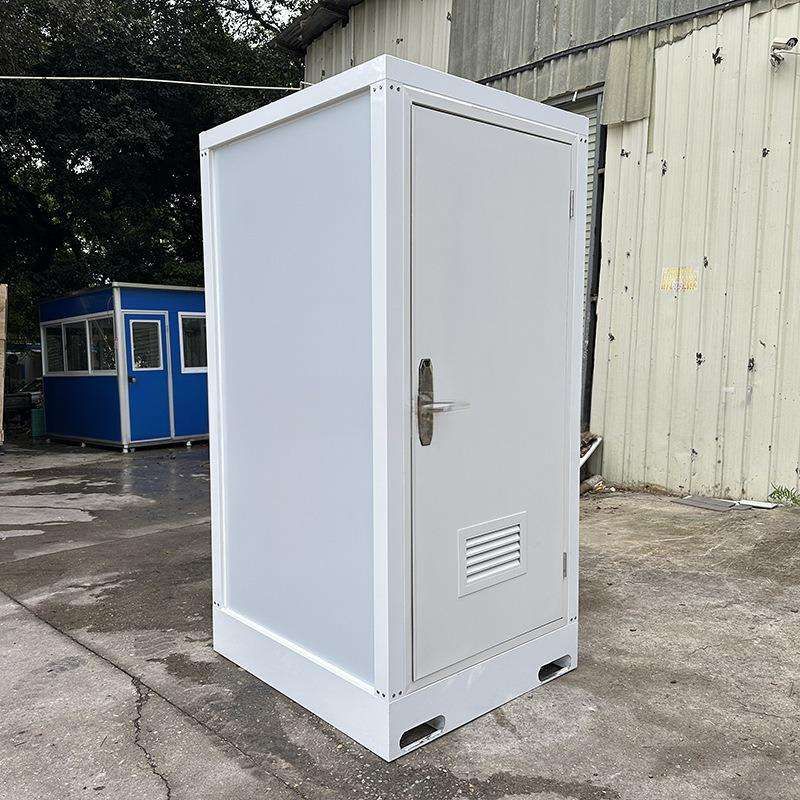
1. Adaptability to Application Scenarios
The waterless mobile toilets promoted in the Shaoyang area have already been applied in scenic spots and construction sites, with their core advantages also applicable to rural areas. In terms of water conservation, these toilets treat excreta through microbial decomposition or solid degradation technology, requiring no external water source, achieving a water-saving rate of over 90%, and addressing issues of insufficient water supply or high costs of sewer installation in rural areas. Regarding portability, the modular design supports rapid assembly and disassembly, allowing the installation of 10 toilets in one day, suitable for the scattered residency or temporary activity needs in rural areas. Low maintenance costs are another highlight, with a single-use cost of approximately 0.3 yuan and no need for frequent cleaning, reducing operational pressure in rural areas.
2. Product Types and Brand Selection
The mobile toilet market in Shaoyang offers a variety of materials and brand choices. Materials include steel structures (high durability), stainless steel (corrosion resistance), and aluminum-plastic panels (lightweight and easy to transport), which can be flexibly matched according to rural terrain (such as mountainous or flat areas) and usage frequency (permanent or temporary residency). In terms of brands, companies like Xiangxing Metal, Baitai, and Hongwo provide on-site installation and hoisting services, with some products supporting customized designs, such as adding barrier-free facilities or solar power systems, to meet the needs of special groups in rural areas.
3. Environmental Technology Advantages
The environmental performance of waterless mobile toilets aligns with rural sustainable development goals. Microbial decomposition technology converts excreta into harmless fertilizer through specific bacterial strains, achieving resource utilization; solid degradation technology accelerates decomposition by adding degradation materials, reducing odors and pollution. Additionally, intelligent deodorization systems (such as activated carbon adsorption and photocatalytic purification) effectively control odors, ensuring hygiene and avoiding the mosquito and fly infestation issues of traditional dry toilets.
4. Implementation Recommendations
To further promote the construction of mobile toilets in rural areas of Shaoyang County, the following paths can be considered:
- Policy Support: Contact local environmental protection departments to understand subsidy policies or pilot projects for rural toilet renovation;
- Supplier Engagement: Review government procurement announcements or industry exhibition information to screen qualified local suppliers;
- Villager Participation: Demonstrate product effectiveness through pilot sites and adjust designs based on villager needs (such as adding storage space or privacy protection).
The promotion of mobile toilets requires balancing technological adaptability and user acceptance, and through scientific planning and multi-party collaboration, rural hygiene conditions can be effectively improved.



