
Portable Toilets for Shaoxing Village Committee
The Shaoxing Village Committee can choose suitable portable toilet rental services based on actual needs, with technical types, service models, and eco-friendly designs that meet the requirements of temporary public scenarios.
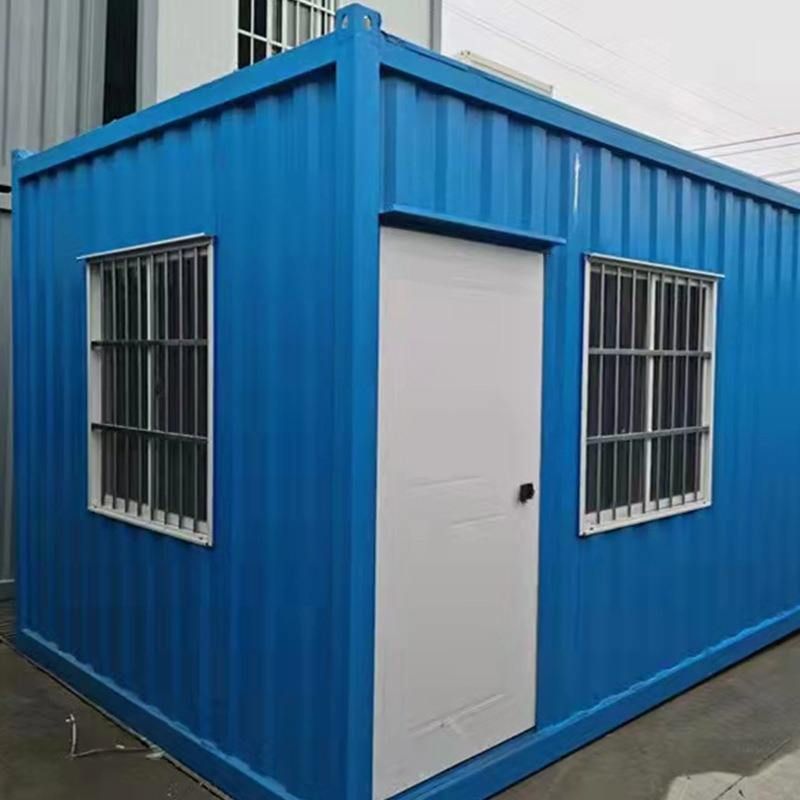
1. Equipment Types and Scenario Adaptability
Portable toilets in the Shaoxing area are categorized into three types based on treatment technology: Biodegradable toilets are suitable for areas without water sources, using microorganisms to decompose waste and reduce water dependency; Chemical treatment toilets use agents to neutralize odors, ideal for short-term events (such as 3-5 day gatherings); Vacuum suction toilets utilize negative pressure systems for rapid waste removal, commonly used in fixed-cycle scenarios (such as monthly village meetings). The village committee should select based on event duration, foot traffic, and terrain conditions: Areas with dense river networks require biodegradable toilets with anti-leakage designs to prevent sewage from seeping into the ground; in historic preservation zones, lightweight transportation solutions such as detachable aluminum alloy frame equipment are needed to reduce pressure on stone pavements.
2. Service Content and Flexibility
Rental services cover the entire technical chain: Suppliers provide on-site assessments (such as measuring site slope and power supply locations), equipment allocation (matching single or connected toilets based on needs), installation and maintenance (assembly completed within 2 hours), and recycling and disinfection (deep cleaning completed within 48 hours after the event). For example, during groundbreaking ceremonies, connected portable toilets can be equipped with independent squatting positions, sinks, lighting, and air conditioning, with dedicated personnel cleaning every 2 hours; for temporary gatherings, single units can be used, with IoT monitoring systems providing real-time feedback on usage frequency to dynamically adjust cleaning schedules.
3. Environmental Protection and Sustainability
The equipment uses eco-friendly materials (such as recyclable composite panels), with waste treatment complying with the "Urban Domestic Waste Management Regulations": Biodegradable waste can be converted into organic fertilizer; chemically treated wastewater meets national secondary water quality standards after sedimentation and can be directly discharged into municipal sewers. Additionally, ammonia emissions are reduced by over 40% compared to traditional public toilets, minimizing odor diffusion. In terms of technological upgrades, solar power systems can meet lighting needs, IoT modules can monitor water levels, power, and usage status in real-time, and modular designs support rapid capacity expansion (such as increasing from 10 squatting positions to 20).
4. Aesthetic Harmony
In the historic and cultural city of Shaoxing, portable toilets can blend into the ancient cityscape through designs such as imitation ancient eaves and gray-toned coatings. For example, events near Lu Xun's former residence can use wooden-textured composite panels paired with lattice window decorations; waterfront areas can opt for blue and white tones to complement river scenery. In terms of materials, aluminum alloy frames offer both lightweight and stability, with unit weights reduced by 30% compared to traditional steel equipment, facilitating hoisting and transportation.
The village committee can contact local suppliers (such as Chengxu Portable Toilet Rental, phone: 15869566911) for further confirmation of equipment adaptability and service details.



