
Shaoxing Simple Mobile Toilet Production
The production of simple mobile toilets in Shaoxing requires a combination of modular design, scenario adaptation, and localized production resources, with core processes covering structural material selection, functional integration, and customized adjustments.
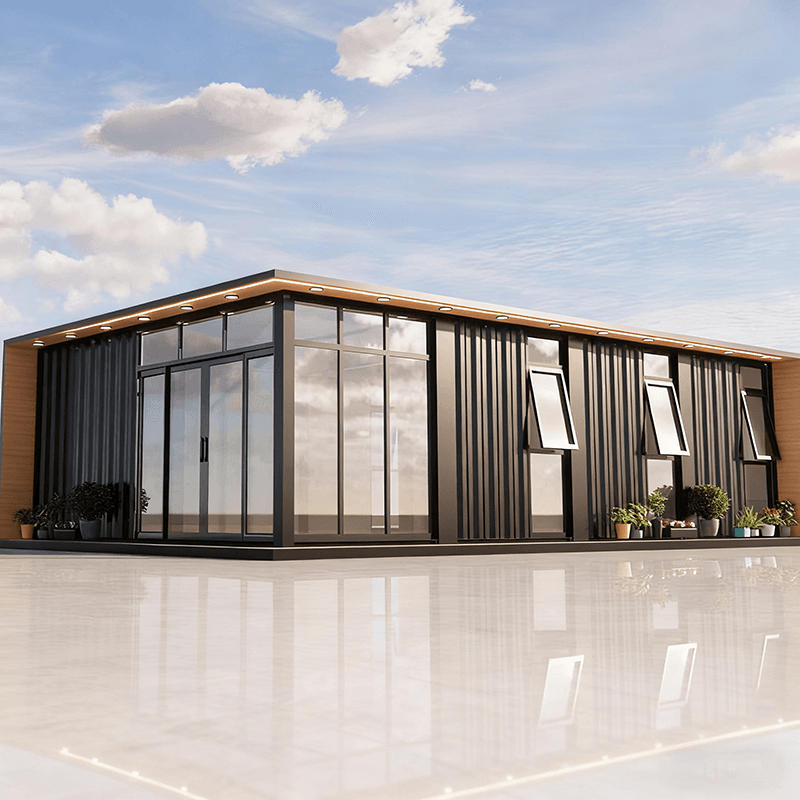
1. Main Structure and Material Selection The main frame of a simple mobile toilet needs to meet the requirements of being lightweight, high-strength, and easy to assemble and disassemble. Metal materials such as aluminum alloy or galvanized steel are commonly used. These materials are lightweight and corrosion-resistant, reducing transportation costs and improving on-site assembly efficiency. Some enterprises use fiberglass-reinforced plastic (FRP) composite materials. Their one-piece molding process reduces seams, enhances structural stability, and provides moisture and mildew resistance, making them suitable for humid environments. In structural design, modular assembly is key, with standardized interfaces enabling rapid assembly, such as using bolt connections or snap-fit designs, ensuring that each module weighs no more than 50kg for easy manual handling.
2. Functional System Integration The internal functional systems need to be pre-assembled and tested in the factory, including three major modules: water storage, sewage disposal, and ventilation. The water storage system typically comes with a 50-200L water tank, with the capacity adjusted according to the usage scenario. For example, festivals requiring frequent cleaning can opt for a dual-tank circulation design. Sewage collection uses sealed septic tanks or removable waste bins. In remote construction site scenarios, the waste bin capacity is increased to over 1m³, and the bin's impact resistance is enhanced. The ventilation system combines natural and mechanical ventilation, with a passive vent installed on the top to utilize air pressure differences for exhaust, and a low-noise exhaust fan (power ≤ 50W) installed inside to ensure air circulation. Some high-end models also integrate solar power systems to provide energy for lighting and ventilation.
3. Scenario-Based Customized Adjustments During production, designs need to be optimized according to the usage scenario. High-traffic scenarios (such as music festivals and exhibitions) require an increase in the number of toilet compartments (a single module can be expanded to 4-6 compartments) and the installation of smart sensor flushing systems to reduce contact contamination. Remote construction site scenarios require enhanced structural durability, such as wrapping the frame with anti-collision rubber strips, using high-density polyethylene (HDPE) material for the waste bin to resist wear, and adding anti-tipping designs. Tourist attraction scenarios may require the appearance to blend into the environment, using wood-grain or stone-texture finishes and providing barrier-free access.
4. Localized Production and Supply Chain Enterprises in the Shaoxing area, such as Shikai Zhongyuan and Baiyun Environmental Protection, have formed a complete industrial chain. From raw material procurement (local metal processing plants provide profiles) to modular production (factory assembly line production), and then to logistics and distribution (covering the Yangtze River Delta region), costs are controlled throughout the process. Enterprises typically offer one-stop services of “design-production-installation-maintenance”. Customers can choose from economical models (single toilet compartment priced at approximately 800-1500 yuan) or luxury models (equipped with air conditioning and smart control systems, priced at 20,000-50,000 yuan) according to their budget, with delivery times as short as 3-7 days.



