
Shaoxing Portable Toilet Solution
The Shaoxing portable toilet is a systematic solution designed to meet the public health needs of temporary gatherings. It achieves flexible resource allocation through modular units and is optimized for local geographical and cultural characteristics.
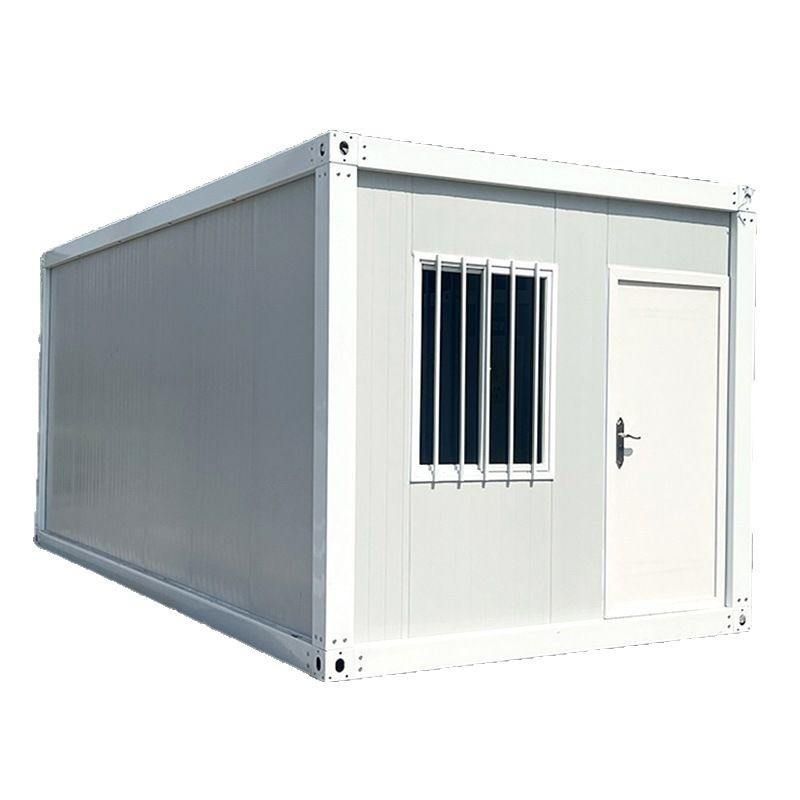
I. Design Features and Adaptability
Shaoxing is characterized by a dense river network and restricted ground load-bearing capacity in its ancient city conservation areas. Portable toilets must meet two core requirements:
- Leak-proof and lightweight: Strict leak-proof design is adopted to prevent water pollution, while lightweight solutions are used for equipment transportation and installation, such as aluminum alloy frames combined with composite panels, ensuring structural stability while reducing ground pressure.
- Visual harmony: The exterior design incorporates historical and cultural elements, such as antique-style eaves, grayish-blue color schemes, and lattice window decorations, maintaining consistency with the ancient city's aesthetic.
II. Equipment Types and Suitable Scenarios
Based on treatment technology and usage requirements, portable toilets in Shaoxing are classified into three types:
- Biodegradable: Utilizes microorganisms to decompose waste, requiring no external water source, suitable for remote areas with limited water access or long-term fixed locations.
- Chemical treatment: Uses chemical agents for disinfection and odor control, commonly seen in short-term events (e.g., exhibitions, festivals), offering simple operation and lower costs.
- Vacuum suction: Employs a vacuum pump to rapidly suction waste into a storage tank, ideal for periodic demand scenarios (e.g., construction sites, tourist attractions), with high discharge efficiency and minimal odor.
III. Operational Process and Standards
The service process covers five technical stages:
- Site assessment: Determine equipment models and layouts based on site conditions (e.g., ground load-bearing capacity, sewage connection locations).
- Equipment allocation: Select appropriate types and quantities based on event scale and duration, prioritizing chemical treatment models for short-term events.
- Installation and maintenance: Professional teams handle installation, with regular cleaning of storage tanks and replenishment of consumables (e.g., chemical agents, biological strains).
- Recovery and disposal: After the event, equipment is dismantled, and waste is treated harmlessly to prevent secondary pollution.
Strict adherence to usage standards is required:
- The maximum load-bearing capacity is clearly defined; overloading may cause structural damage.
- Cleaning agents must be compatible with equipment materials to avoid corrosion of inner walls.
- Sewage connections must be standardized; unauthorized modifications by non-professionals may lead to leakage accidents.
IV. Local Service Provider
Shaoxing Chengxu Portable Toilet Rental provides full-chain services, including sales and leasing of mobile and ecological public toilets, as well as R&D, production, and technical training for supporting products. Its business covers scenarios such as event restrooms and construction site toilets, meeting diverse needs.



