
Shaoxing Outdoor Portable Toilet
Shaoxing outdoor portable toilets are flexible solutions for providing sanitation services during temporary peaks in pedestrian traffic, characterized by rapid deployment, wide adaptability to various scenarios, and diverse technologies.
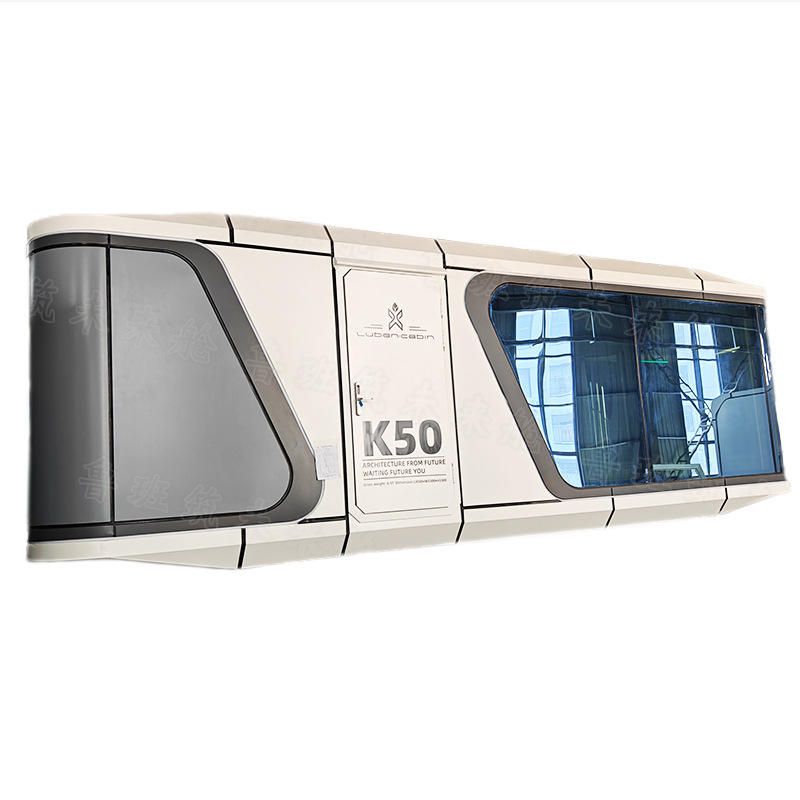
Technical Composition and Functional Features
The main body of the portable toilet is constructed using high-strength composite materials or metal frames, providing wind and earthquake resistance to adapt to complex outdoor environments. Its core functional modules include:
- Waste Treatment System: There are three technologies: waterless composting, microbial degradation, and recirculating water flushing. The composting type does not require an external water source but requires regular replacement of degradation bags; the recirculating water type requires a water connection but uses only one-fifth of the water per flush compared to traditional toilets; the microbial degradation type uses bacterial colonies to decompose waste, suitable for long-term use scenarios.
- Ventilation and Privacy Design: A forced ventilation system combined with an odor-proof sealing structure effectively controls odors; independent single-room design ensures privacy, with some units equipped with barrier-free access, complying with universal design standards.
- Structural Materials: Lightweight frames and weather-resistant shells facilitate transportation and installation while meeting outdoor requirements such as UV resistance and corrosion resistance.
Typical Application Scenarios
Shaoxing portable toilets primarily serve periodic or temporary gathering scenarios:
- Large Events: Such as the peripheries of popular tourist attractions during spring folk festivals and autumn tourism peaks, addressing the insufficient capacity of fixed toilets.
- Transportation Hubs: Temporary gathering areas at high-speed rail stations and bus stations during holidays to cope with surges in passenger traffic.
- Emergency Scenarios: Rapidly supplementing sanitation facilities during natural disasters or municipal construction projects. Through a leasing model, portable toilets can dynamically match demand fluctuations, avoiding resource idleness during non-event periods.
Core Aspect of Leasing Services
The operational chain covers four stages: transportation, installation, maintenance, and recovery:
- Transportation: Specialized vehicles are used, and routes must be planned in advance to avoid height and width restrictions.
- Installation: After ground leveling, unit modules are quickly assembled and locked, typically completing deployment within 2-4 hours.
- Maintenance: Daily cleaning and disinfection, replenishment of consumables (such as toilet paper and hand soap), and regular waste removal ensure a good user experience.
- Recovery: After the event, equipment is disassembled, cleaned, and prepared for the next leasing cycle.
Key Points for Selecting Merchants
It is necessary to comprehensively evaluate equipment technical parameters and service coordination efficiency:
- Technical Adaptability: Choose waste treatment technology based on event duration and water availability (e.g., prioritize composting type for short-term events).
- Process Transparency: Merchants must provide written commitments regarding installation timelines and maintenance frequency.
- Risk Preparedness: Verify inventory of backup equipment and emergency maintenance team dispatch mechanisms to reduce the risk of sudden failures.



