Shaoxing Modular Mobile Toilet
The Shaoxing modular mobile toilet features modular design, strong environmental adaptability, diverse waste treatment technologies, a dynamic operation and maintenance response system, and continuous technological iteration.
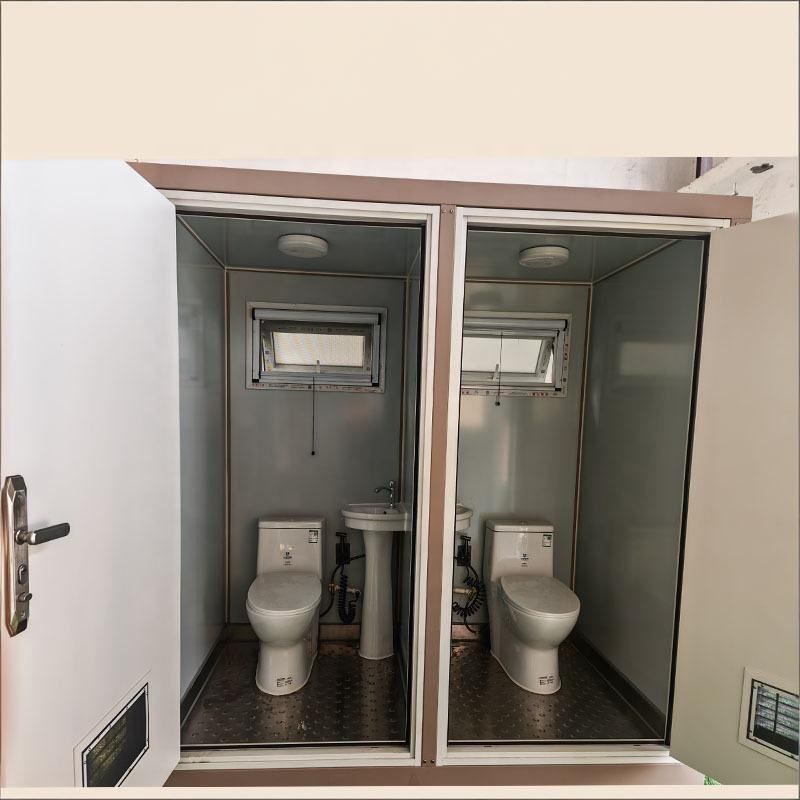
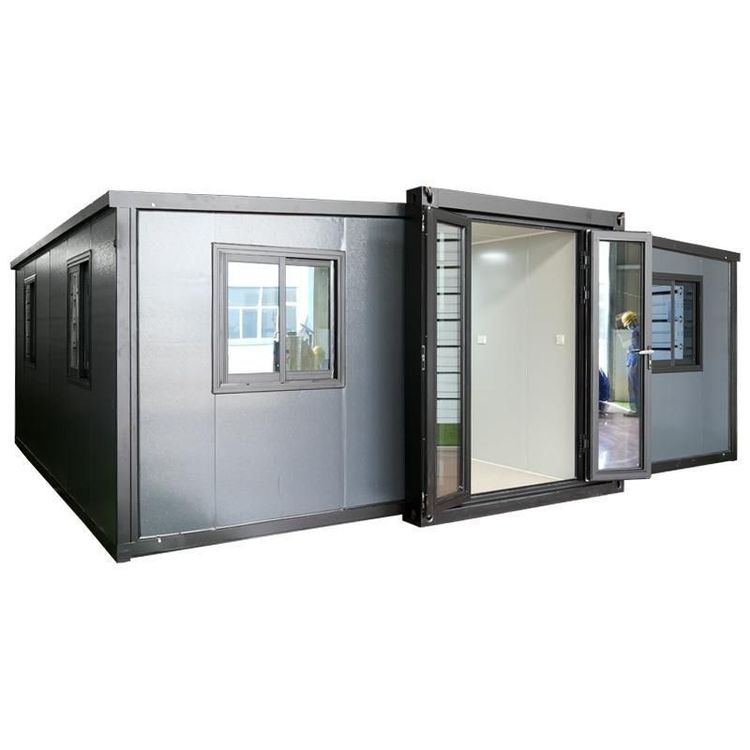
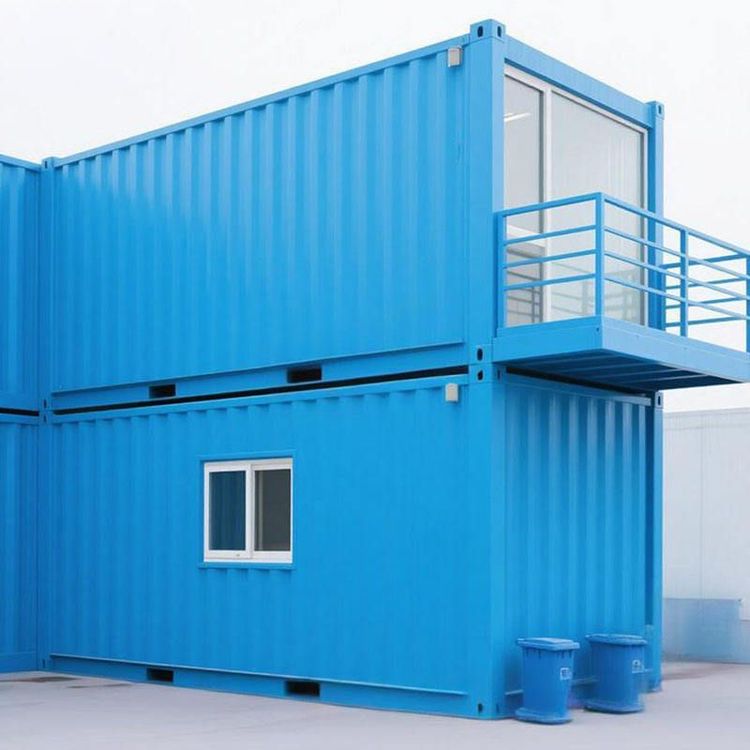
Modular Design: The basic units of the Shaoxing modular mobile toilet are highly integrated functional modules. The internal piping, ventilation, lighting, and treatment systems are pre-installed before leaving the factory, and the structural strength and sealing have undergone standardized testing. This design significantly enhances transportation and on-site assembly efficiency, and multiple basic units can be combined into larger-capacity facility clusters through quick connectors. Its scalability is not arbitrary but is determined through mathematical modeling based on expected foot traffic and site conditions, precisely meeting the usage needs of different scenarios.
Environmental Adaptability: The new mobile toilet actively integrates a solar power system to provide electricity for lighting, ventilation fans, and intelligent indicator systems, eliminating reliance on the traditional power grid. In terms of water resource utilization, in addition to the traditional separation design of clean water and sewage tanks, some models introduce low-pressure water-saving flushing technology and even feature closed-loop systems that perform primary filtration and disinfection of flushing water for reuse, significantly reducing dependence on fixed water sources and sewage networks, enabling stable operation under various environmental conditions.
Waste Treatment Technologies: The waste treatment technologies of the Shaoxing modular mobile toilet mainly fall into two categories. One is the biodegradable type, which decomposes excrement into carbon dioxide, water, and a small amount of inorganic salts by adding specific microbial agents, achieving green and environmentally friendly treatment. The other is the physical-chemical treatment type, which uses curing agents and deodorants for encapsulation and deodorization, effectively controlling odors and pollution.
Dynamic Operation and Maintenance Response System: The lessor not only provides physical equipment but also equips it with a maintenance plan based on usage data. Through sensor feedback or regular inspections, consumables are replenished, waste is collected and transported, and the equipment is cleaned and disinfected in a timely manner, ensuring that the facilities remain in good hygienic condition during the rental period and enhancing the user experience.
Technological Iteration Directions: The technological iteration of the equipment presents three trends. The integration of the solar power system allows the equipment to further break free from grid limitations. IoT sensors can monitor usage status and stock data in real-time, enabling intelligent management. The modular design allows for dynamic adjustment of unit combinations based on gender ratios, making it more user-friendly.