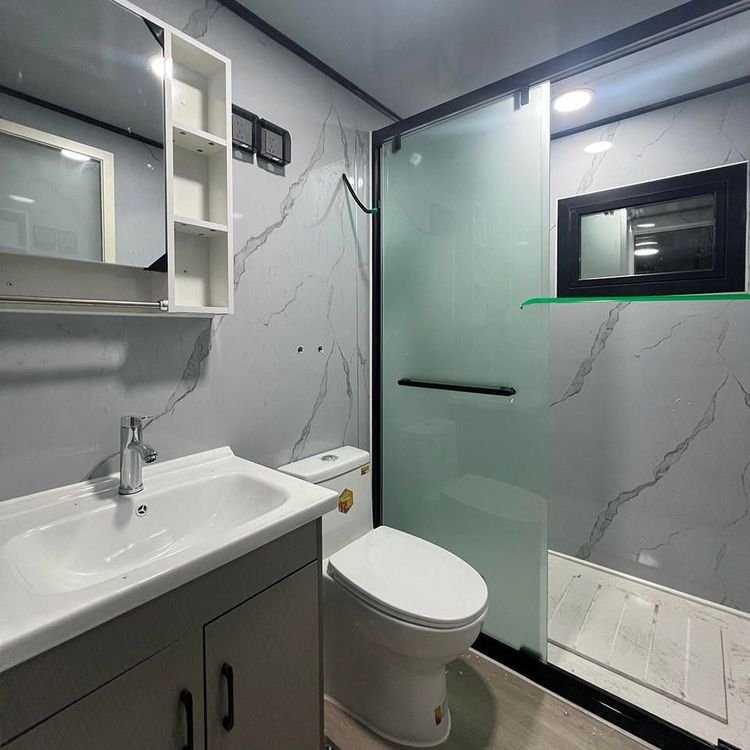
Shaoxing Intelligent Mobile Toilet Materials
Common materials for intelligent mobile toilets in Shaoxing include color-coated steel plates, fiberglass-reinforced plastics (FRP), high-strength lightweight materials (such as polyethylene or metal panels with thermal insulation夹层s), and support rods made of color-coated steel, structural steel, or composite materials. The specific characteristics and application scenarios of these materials are as follows:

1. Color-Coated Steel Plates Color-coated steel plates are composite materials made of color-coated steel sheets and core materials such as foam or rock wool. They are one of the commonly used materials for intelligent mobile toilets in Shaoxing. Their key advantages include lightweight, easy installation, and low cost. The coated steel sheets provide basic structural strength, while the core materials enhance thermal insulation properties. These materials are suitable for temporary event venues, construction sites, and other scenarios that require rapid setup and have a short usage period, such as outdoor music festivals and construction project sites. Their modular design facilitates easy disassembly and reuse. However, when exposed to humid or highly corrosive environments for extended periods, attention should be paid to the potential decrease in structural stability due to water absorption by the core materials.
2. Fiberglass-Reinforced Plastics (FRP) FRP is made by compounding glass fibers with synthetic resins, offering a combination of lightweight, high strength, corrosion resistance, and aging resistance. Its moldability allows for the design of streamlined or natural-looking shapes, making it suitable for outdoor venues with complex environments, such as tourist attractions and coastal areas. For example, in coastal regions with strong salt spray corrosion, traditional metal materials are prone to rusting, while the chemical corrosion resistance of FRP significantly extends its service life. Additionally, its smooth surface is easy to clean, meeting the maintenance requirements of public sanitation facilities, although its cost is relatively higher than that of color-coated steel plates.
3. High-Strength Lightweight Materials Some mobile toilets use FRP, polyethylene, or metal panels with thermal insulation夹层s for their frames and box modules. Polyethylene materials have low density and strong impact resistance, making them suitable for scenarios requiring frequent movement. Metal panels (such as aluminum alloy) with thermal insulation夹层s combine structural strength with thermal insulation properties, making them suitable for cold or hot regions. For example, in northern winters, it is necessary to ensure a comfortable internal temperature in the toilets, and the thermal insulation夹层 can effectively reduce heat loss, enhancing the user experience.
4. Support Rod Materials Support rods, as key components of the support structure, can be made of color-coated steel, structural steel, or composite materials. Color-coated steel support rods are low-cost and easy to process, suitable for lightweight structures. Structural steel (such as square tubes and angle steels) offers higher strength and is suitable for large toilets or those with high wind load requirements. Composite material support rods combine lightweight properties with corrosion resistance and are commonly used in coastal or high-humidity environments.
The selection of different materials should comprehensively consider usage scenarios, cost budgets, and maintenance requirements to ensure a balance between functionality and economy for mobile toilets.
You may also like

Portable Toilet Independent: What to Know Before You Buy
Read More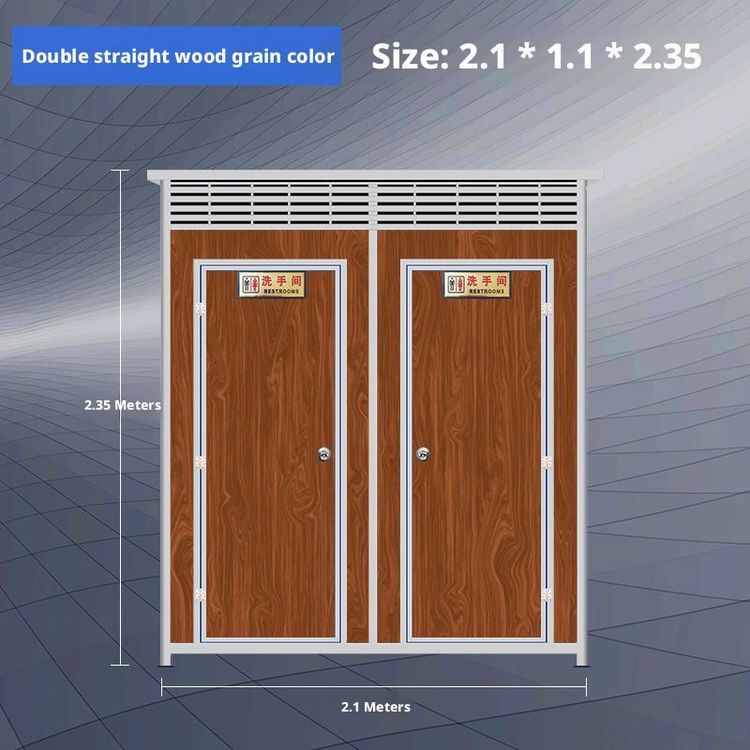
Portable Toilet Waterproof Explained: How to Choose the Right One
Read More
Portable Toilet Insulation: Top Options & Considerations
Read More