
Shaoxing Intelligent Mobile Toilet Design
The design of intelligent mobile toilets in Shaoxing has not yet formed a complete plan, but the modular, environmentally friendly, and functional foundations provide feasibility for intelligent upgrades, which may focus on directions such as automatic monitoring, cleaning, and user interaction in the future.
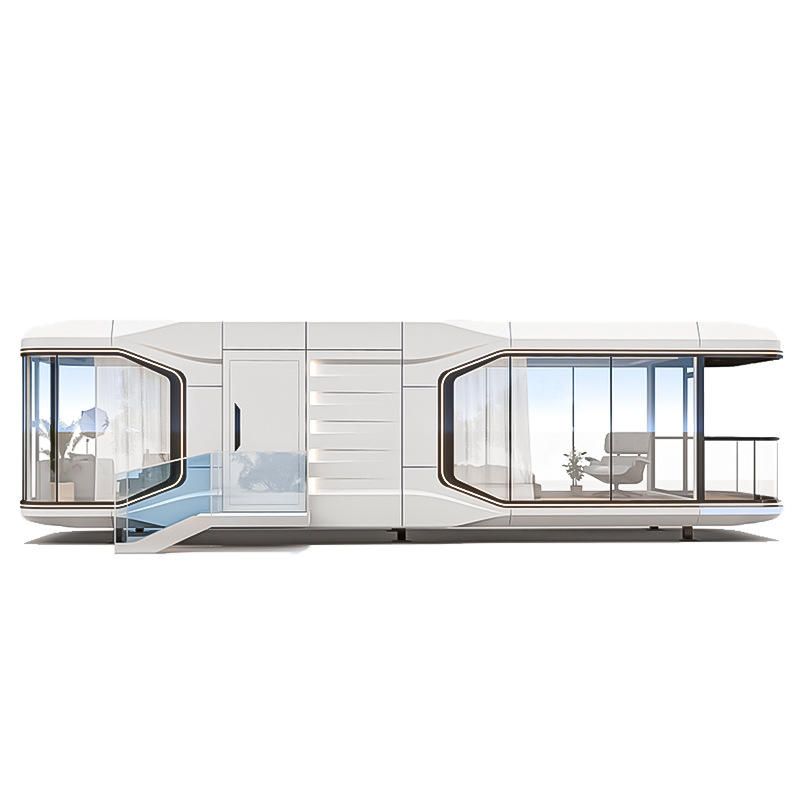
Modular Design and Power Facilities: Intelligent Hardware Foundations
The existing mobile toilets in Shaoxing adopt a modular design, supporting rapid assembly and disassembly. Some high-end models are equipped with solar panels for independent power supply. This design provides key conditions for the integration of intelligent devices: the solar system can provide continuous power for sensors, automatic control systems, etc., avoiding the limitations of external power sources. For example, in the future, by adding IoT modules, remote monitoring of toilet operating status (such as power levels and equipment failures) can be achieved, or lighting and ventilation systems can be controlled through smart switches to reduce energy consumption.
Environmentally Friendly Sewage Disposal Technology: Intelligent Monitoring and Optimization
The sewage disposal systems of mobile toilets in Shaoxing have integrated physical, chemical, or biological treatment technologies (such as solid-liquid separation and biological enzyme decomposition). Intelligent upgrades can further optimize this process:
- Automatic Monitoring: Liquid level sensors and gas sensors are used to monitor the capacity of the sewage storage tank and odor concentration in real-time. When the data exceeds the threshold, automatic alerts are triggered or treatment procedures (such as spraying deodorants) are initiated; - Water Recycling Management: Combined with intelligent water-saving devices, the flushing volume is dynamically adjusted according to usage frequency (such as 3-5 liters per flush), and the cleanliness of the recycled water is monitored through water quality sensors to ensure water conservation while meeting hygiene standards.
Functional Expansion and User Experience: Automation and Interactivity
The existing designs are already equipped with basic functions such as sinks and lighting, with some optimizing space through ergonomics (such as micro-buffer zones and LED lighting). Intelligence can extend to:
- Automatic Cleaning: Introducing robotic arms or high-pressure spray systems to regularly clean toilets and floors, reducing manual maintenance costs;
- User Feedback System: Collecting usage evaluations (such as hygiene ratings and equipment failure reports) through touchscreens or mobile applications to assist service providers in making rapid improvements.
Customization and Scene Adaptation: Intelligent Scheduling and Emergency Response
Mobile toilets in Shaoxing support full customization (such as size, materials, and functional modules). Intelligent designs can be tailored to scene requirements:
- Event Venues: By analyzing usage peaks through pedestrian flow sensors, the number of open toilets can be dynamically adjusted to avoid queues;
- Emergency Rescue: Integrating GPS positioning modules to quickly locate and deploy toilets in the event of disasters, improving rescue efficiency.
Summary: The design of intelligent mobile toilets in Shaoxing needs to be based on existing modular and environmentally friendly technologies, gradually introducing sensors, IoT, and automation equipment to achieve functions such as monitoring, cleaning, and interaction. Specific plans can be further customized by contacting local suppliers (such as Xuhu Mobile Toilet Rental Company).



