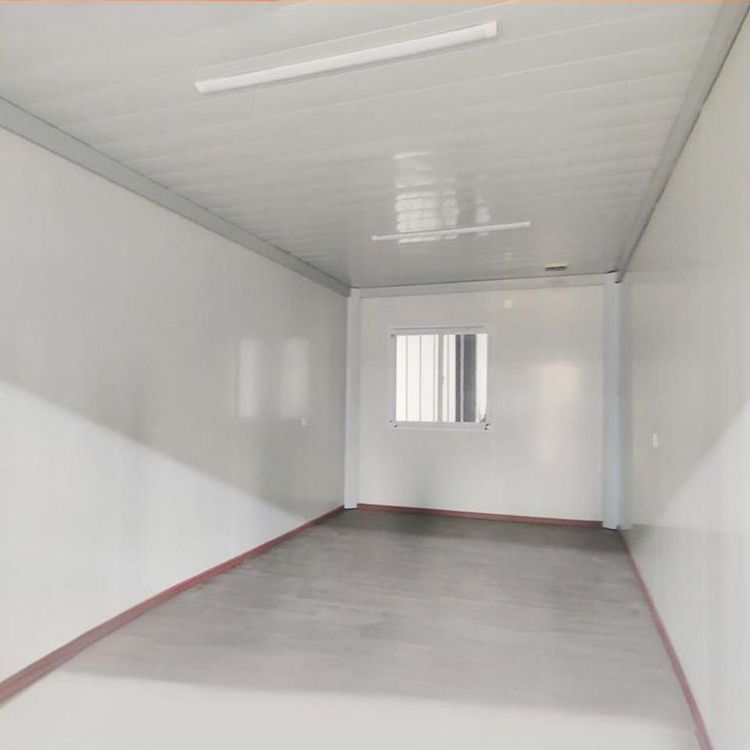
Shaoxing Community Mobile Toilet
The rental service of mobile toilets in Shaoxing communities requires comprehensive consideration of equipment adaptability, treatment technology, operational norms, environmental protection requirements, and customization needs, achieving efficient allocation of sanitation resources through modular design.
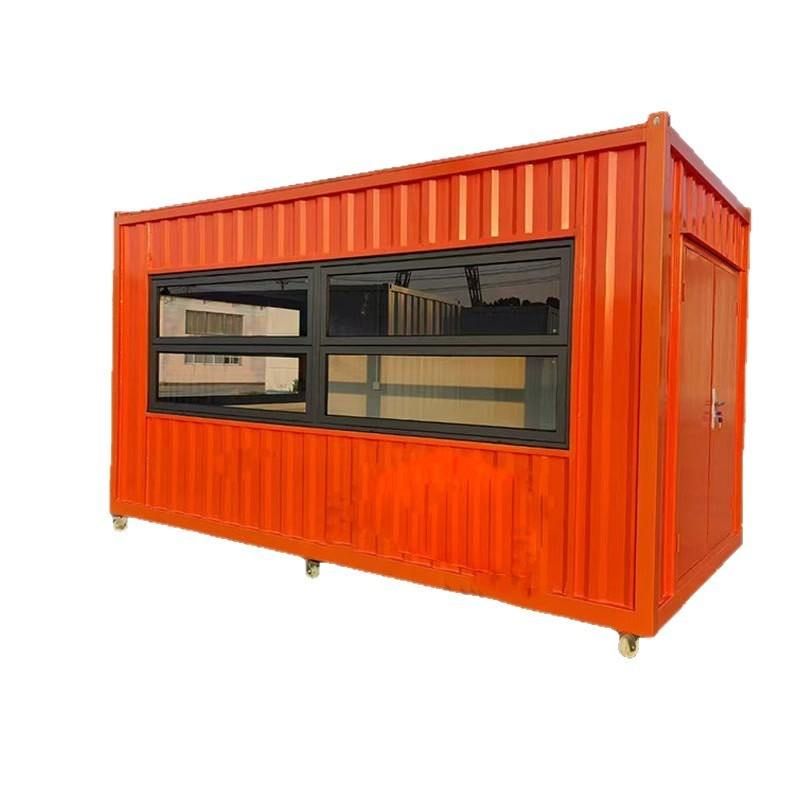
Equipment Adaptability
Shaoxing is densely covered with rivers and has ancient city protected areas, so mobile toilets need to meet special environmental requirements. Anti-leakage design is crucial. The bottom of the equipment should adopt a double-layer sealed structure to prevent sewage from seeping into groundwater or rivers. Lightweight transportation should be achieved through aluminum alloy frames and composite panels, with the unit weight controlled within 1.5 tons to avoid damaging the ancient city's stone-paved roads or ground with low bearing capacity. In addition, the exterior design should incorporate elements such as antique eaves and grayish-blue tones to harmonize with Shaoxing's traditional architectural style.
Types of Treatment Technologies
Depending on the community's needs, three mainstream technologies can be selected:
- Biodegradable type: Utilizes microorganisms to decompose excrement, eliminating the need for external water sources and sewage pipes. It is suitable for scenarios with inconvenient water sources or temporary use, but requires regular replenishment of bacterial strains and control of the number of users.
- Chemical treatment type: Quickly decomposes waste through chemicals (such as sodium hypochlorite), suitable for short-term events or areas with low foot traffic. However, attention should be paid to the safe storage of chemicals and the handling of residues.
- Vacuum suction type: Relies on a vacuum pump to suck excrement into a fecal storage tank, requiring connection to the community's sewage pipes. It is suitable for fixed-period needs (such as weekly cleaning), but has higher initial installation costs.
Operational Process Norms
Before installation, measure the terrain slope (recommended ≤5%) and soil bearing capacity (≥150kPa) to ensure equipment stability. The sewage pipes should be seamlessly connected to the community's existing system to avoid blockages. The maintenance cycle includes daily cleaning (wiping surfaces, replenishing consumables) and weekly in-depth treatment (cleaning the fecal storage tank, checking equipment sealing). Neutral cleaning agents should be used to avoid corroding aluminum alloy or composite panels.
Environmental Protection and Sustainability
Waste disposal should comply with the "Measures for the Administration of Urban Domestic Waste", and sewage discharge should meet the national secondary water quality standards (such as COD ≤ 100mg/L, ammonia nitrogen ≤ 25mg/L). Odor control employs a combined technology of activated carbon filtration and negative pressure ventilation. A fan continuously sucks internal air, which is then discharged after being adsorbed of odors by activated carbon. Under standard operation, the ammonia emission concentration can be reduced by more than 40% compared to traditional public toilets.
Customization Services
Some suppliers (such as those in Yongkang City, Zhejiang Province) offer customization services for simple community restrooms. The size can be adjusted according to the site (such as a 2m × 1.5m single room), and functions can be added, such as sinks and hand dryers. The price range is ¥1350-1500 per month (based on market conditions). For rental or technical consultations, contact "Chengxu Mobile Toilet Rental" (phone: 15869566911), which provides services including sales, rental, and operational training.