
Back to blog
Article
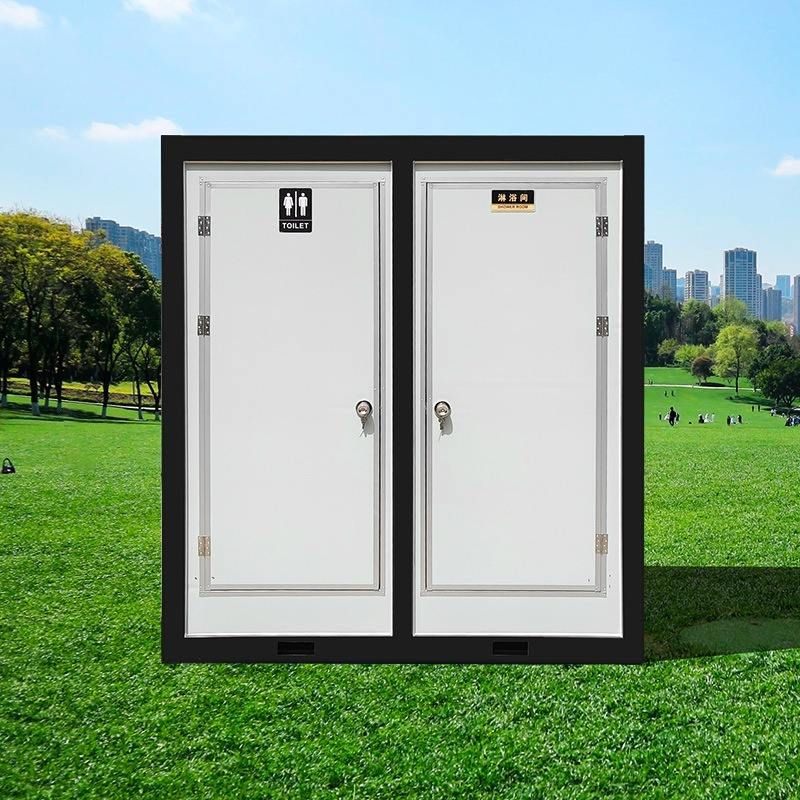
Mobile Toilets in Shaoxing Area
Admin September 23, 2026
The mobile toilet rental service in the Shaoxing area primarily meets the public health needs of temporary gathering activities, achieving flexible resource allocation through modular design, while taking into account environmental adaptability, technical classification, operational standards, and the characteristics of a historical and cultural city.
I. Infrastructure Adaptability Requirements
Shaoxing is densely covered with rivers and has ancient city protection zones, so mobile toilets need to meet two core requirements:
- Anti-leakage Design: For areas with dense water networks, equipment must use anti-leakage materials such as high-density polyethylene (HDPE) to ensure that sewage does not leak into groundwater sources.
- Lightweight Transportation and Installation: The ground bearing capacity in the ancient city is limited, so equipment must use aluminum alloy frames and composite panel structures, with individual weights controlled within 2 tons. During transportation, planning is needed to avoid vulnerable areas such as stone-paved roads.
II. Technical Classification and Applicable Scenarios
There are three categories based on treatment technology:
- Biodegradable Type: Utilizes microorganisms to decompose excrement, requiring no external water source, suitable for outdoor music festivals, marathons, and other scenarios with inconvenient water sources, with a single treatment cycle of about 24 hours.
- Chemical Treatment Type: Decomposes waste through chlorine-containing agents or enzyme preparations, commonly used in short-term exhibitions (such as auto shows, anime festivals), serving 200-500 people per day.
- Vacuum Suction Type: Relies on vacuum pumps and pipeline systems, requiring regular (e.g., weekly) sewage pumping, mostly used in long-term demand scenarios such as construction sites, with a daily processing capacity of up to 1 ton.
III. Operational Procedures and Standards
- On-site Assessment: Measure terrain slope (≤5%) and soil bearing capacity (≥0.5MPa) to avoid equipment tilting or settling.
- Equipment Allocation: Transportation routes must avoid restricted areas in the ancient city, and coordinate traffic control to ensure deployment within 24 hours.
- Maintenance Cycle: Daily cleaning requires replacing agent bags and disinfecting, while weekly deep treatment includes high-pressure flushing of sewage pipes and equipment performance testing.
- Usage Restrictions: Prohibit overloading (≤2 people using a single toilet stall simultaneously), using strong acid or alkali cleaners, and unauthorized modification of sewage discharge interfaces.
IV. Environmental Impact Control Standards
- Waste Disposal: Must comply with the "Urban Domestic Waste Management Measures", with solid waste produced and cleared daily, and handed over to professional agencies for harmless treatment.
- Sewage Discharge: Chemical oxygen demand (COD) ≤100mg/L, ammonia nitrogen content ≤15mg/L, meeting national secondary water quality standards.
- Odor Control: Utilizes activated carbon filtration and negative pressure ventilation technology, with ammonia emission concentration ≤0.5mg/m³, reducing odor by more than 40% compared to traditional public toilets.
V. Cultural Adaptation and Supplier Selection
- Exterior Design: Features antique eaves styling, gray-blue color coating, and lattice window decorations to harmonize with the ancient city's appearance.
- Supplier Recommendations: For rental services, brands such as Xuhu and Changjiu are recommended, while manufacturers like Guting Metal Products Factory offer direct factory supply and support customized needs.
Related


