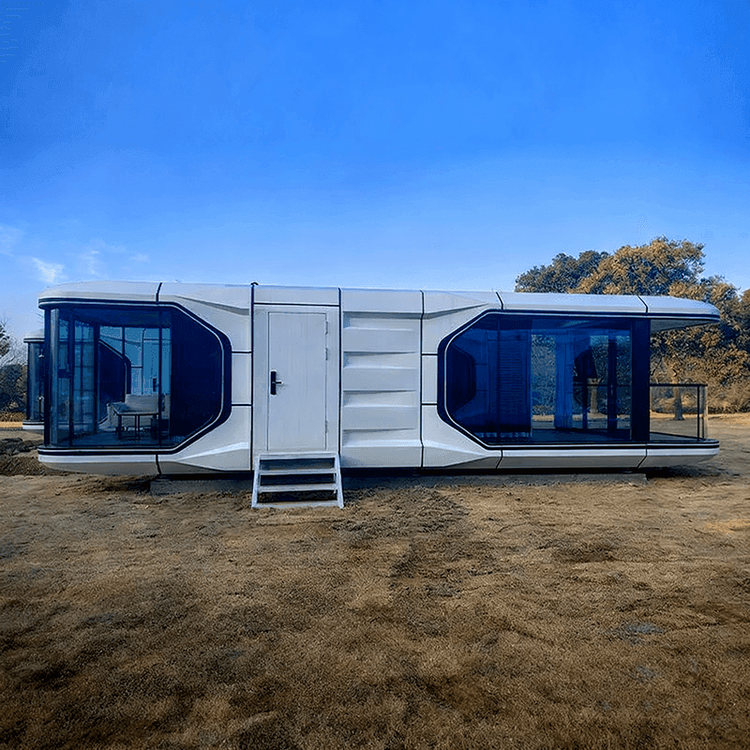
Shanxi Waterless Mobile Toilets
Shanxi waterless mobile toilets come in a variety of types and are characterized by environmental protection, water conservation, and wide applicability.
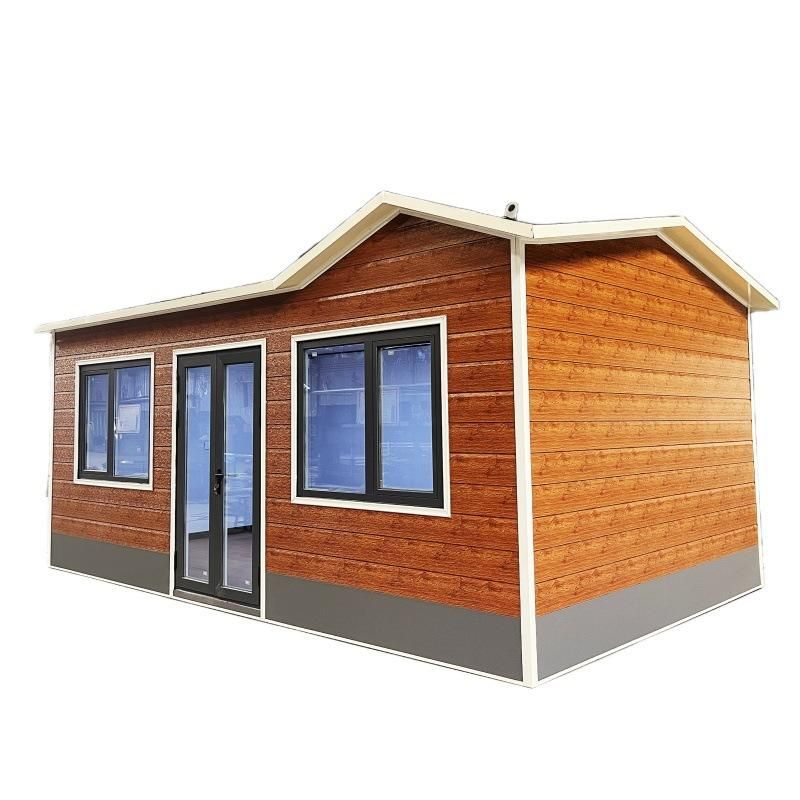
I. Main Types
Waterless Packaging Ecological Toilets Provided by companies such as Cangzhou Hengtai Sanitation Equipment Co., Ltd., these toilets use biological and enzyme technologies to treat excreta. Urine is converted into Class A water-quality clear water after treatment, and feces are transformed into organic fertilizer, with no odor emissions throughout the process. Their core advantage lies in the fact that they do not require external water sources or sewage pipes, making them suitable for areas with scarce water resources or incomplete sewage systems.
Packaging Toilets These toilets use specially made biodegradable film packaging bags to collect feces. Mechanical devices or microcomputer sensing systems are employed to automatically complete the packaging and replacement of the feces storage buckets. This type of toilet requires no flushing water at all, and the packaging bags can degrade along with the feces, avoiding secondary pollution. They are suitable for temporary or fixed locations such as urban streets and park squares.
Vacuum Adsorption and High-Pressure Soda Water Flush Ecological Toilets Some products use the principle of vacuum suction to reduce waste volume or achieve efficient cleaning through high-pressure soda water mixing technology, while treating fecal matter with microbial agents or chemical stabilizers. Although these toilets may require a small amount of water for assistance, their overall water consumption is far lower than that of traditional toilets, and they have a significant effect on odor control.
Foam Blocking Ecological Toilets These toilets use a foaming device to generate foam that covers the toilet bowl, blocking the spread of odors and reducing flushing water. The active ingredients in the foam can decompose excreta, and in combination with microbial degradation technology, they achieve harmless treatment. They are suitable for scenarios with high environmental hygiene requirements.
II. Application Scenarios and Advantages Tourist attractions such as Mount Wutai in Shanxi often use waterless mobile toilets based on the principles of "source separation" or "vacuum suction" to meet the needs of tourists through temporary leasing. Their advantages include:
- Water Conservation and Environmental Protection: They require no water throughout the process or only a small amount of auxiliary water, significantly reducing water resource consumption.
- Flexible Deployment: They do not require the laying of water supply and sewage pipes and can be quickly installed in areas where water supply and sewage are inconvenient, such as large-scale event sites and remote tourist attractions.
- Hygiene and Odor-Free: They suppress odors through biological degradation, chemical stabilization, or physical blocking technologies, improving the user experience.
- Resource Recycling: Some types can convert feces into organic fertilizer, achieving the recycling of waste.
III. Technical Principles The core technologies of waterless mobile toilets include biological degradation, vacuum suction, foam blocking, and packaging sealing. Biological degradation decomposes excreta through enzymes or microorganisms; vacuum suction reduces waste volume using negative pressure; foam blocking blocks odors through physical isolation; and packaging sealing achieves harmless treatment of feces through biodegradable materials. These technologies together ensure the waterless operation and environmental protection performance of the toilets.