
Shanxi Prefabricated Integrated Housing
Shanxi prefabricated integrated housing is a factory-prefabricated modular building form, characterized by time and labor savings, environmental protection, low carbon emissions, and controllable costs. It is widely used in rural self-built housing, cultural tourism homestays, and emergency disaster relief scenarios, and is expected to develop into high-quality residential housing in the future.
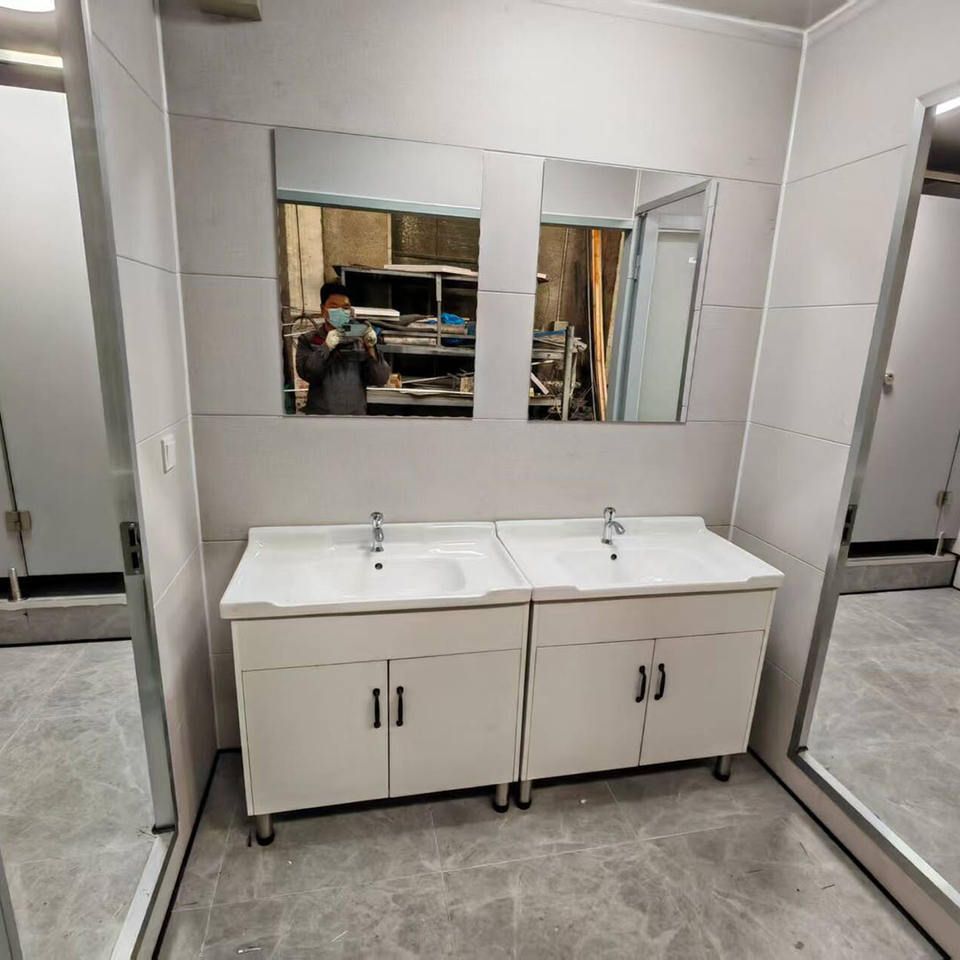
Definition and Construction Method
Shanxi prefabricated integrated housing is constructed by prefabricating components such as walls, doors, windows, kitchens, bathrooms, and utilities in a factory, and then assembling them on-site. The delivery cycle is only 3-7 days, much shorter than the 1-3 month construction period for traditional housing. Its modular design supports rapid assembly, making it particularly suitable for the "rush period" needs of rural areas in Shanxi. For example, a villager in Luliang used this technology to build a new house in 3 days, saving over 20,000 yuan in labor costs.
Core Advantages
- Environmental Protection and Low Carbon: As a key province for energy transformation, Shanxi's integrated housing reduces construction waste by 80% and lowers carbon emissions by 40% compared to traditional housing, aligning with the "Green Shanxi" construction goals.
- Controllable Costs: Although the initial investment is slightly higher, the long-term maintenance costs are only 60% of those of traditional housing. Additionally, local prefabricated component factories in Shanxi reduce transportation costs, enhancing cost-effectiveness.
- Advanced Technology: High-strength steel and composite insulation panels are used, providing fire resistance, corrosion resistance, and sound insulation. The housing supports personalized customization, with a material recycling rate exceeding 90%. The production process integrates BIM technology, intelligent welding robots, and automated spraying systems, with an annual production capacity of tens of thousands of modular units.
Application Scenarios
- Rural Self-Built Housing: Rapid construction and cost optimization meet the residential needs of villagers.
- Cultural Tourism Homestays: For example, homestays around the Wutai Mountain scenic area adopt "prefabricated courtyards" that retain the architectural style of the Jin Dynasty while offering complete internal facilities.
- Emergency Disaster Relief: After last year's heavy rains in Shanxi, 100 integrated houses were erected within a week to establish temporary shelters, demonstrating efficient response capabilities.
Technical Characteristics and Adaptability to the Environment
In response to the cold and dry winters and windy and sandy summers in Taiyuan, the integrated housing strengthens the thickness and sealing performance of exterior wall insulation layers and adopts wind-erosion-resistant surface treatment processes to ensure long-term stability. The park under Shanxi Construction Investment Group serves as an important production base in North China, with its products repeatedly recognized as provincial-level green building demonstration projects.
Future Outlook
Shanxi prefabricated integrated housing is upgrading from "simple houses" to "high-quality residential housing," with plans to introduce photovoltaic roof power generation and intelligent temperature control systems to promote "zero-carbon energy-saving" goals. The housing department stated that it will promote the inclusion of such housing in rural construction standards to support rural revitalization and sustainable development.



