Shanxi Portable Toilet Design
The design of portable toilets in Shanxi focuses on modularity, environmental protection, and strong adaptability, integrating functional optimization and climate-adaptation technologies to form an efficient and sustainable solution.

Integrated Design and Rapid Deployment
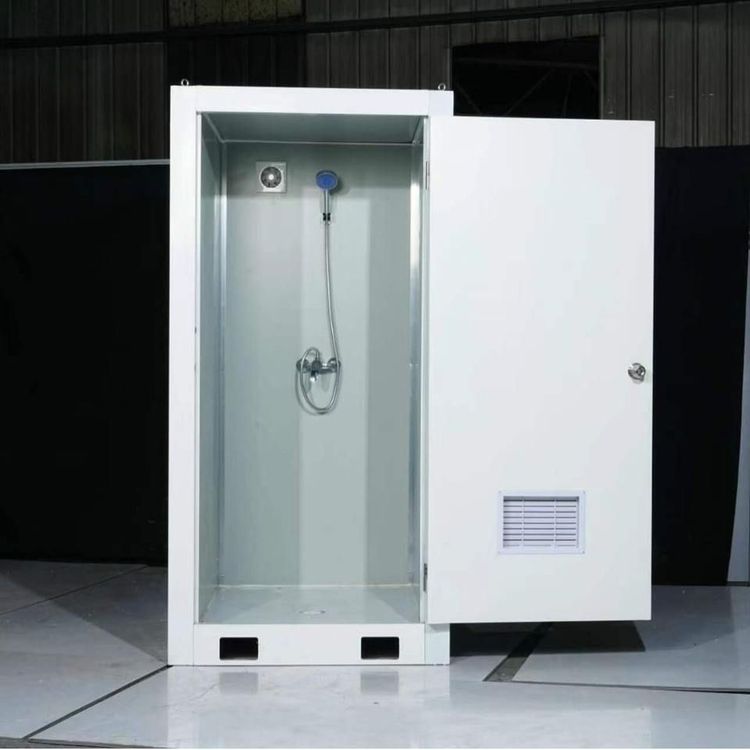
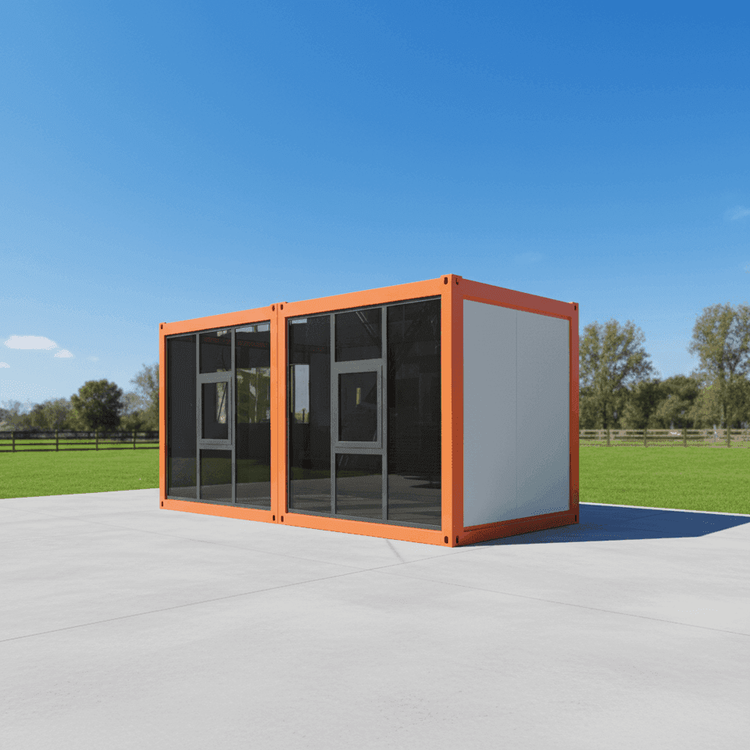
Portable toilets in Shanxi adopt a “factory prefabrication + on-site assembly” model, integrating modules such as the toilet area, sink, and sewage system into an overall framework. This design significantly shortens the construction period, with installation completed in as little as 1 day, while reducing noise and dust pollution from on-site construction. The modular structure supports “building-block-style” combinations, allowing flexible adjustment of scale according to site requirements, making it suitable for complex scenarios such as narrow street corners, rugged mountainous areas, and temporary exhibitions. For example, a toilet in a mountain trail project in Shanxi was designed as a detachable lightweight structure, requiring only a small truck for transportation and capable of withstanding strong winds after installation.
Environmental Technology Upgrades and Resource Conservation
Toilets are generally equipped with biodegradable or vacuum-suction sewage systems, reducing water consumption by over 80%. Some models incorporate solar power and rainwater collection devices to reduce reliance on municipal resources. For instance, one model uses microbial decomposition technology to convert waste into harmless fertilizer, achieving “zero pollution emissions”; foam-sealing toilets utilize foaming liquid to block odors and lubricate the toilet, allowing waste to slide smoothly into a biochemical tank for decomposition while preventing the spread of pathogens and mosquito breeding; portable toilet water savers use non-contact water-saving designs, saving over 30% on water costs and avoiding cross-infection.
Spatial Adaptability and Functional Zoning
The modular structure supports the optimization of internal space based on pedestrian flow behavior, including an entry buffer zone (width not less than 70 cm to ensure wheelchair accessibility), a core usage area (center distance of the toilet from the wall: 40-45 cm; height of the squat toilet pedal: 15-20 cm), and a maintenance access zone (located behind or beside the toilet for easy connection of sewage pipes and cleaning). This zoning design enhances user comfort and maintenance efficiency.
Material Selection and Climate Adaptation
High-density polyethylene (HDPE) is widely used for walls and roofs due to its corrosion resistance, UV resistance, and recyclability; fiberglass-reinforced plastic (FRP) and stainless steel are used for key structural components. In response to Shanxi's climate characteristics, the roof is designed with vents or reflective coatings to lower internal temperatures in summer, while increasing insulation thickness or adopting double-layer structures maintains warmth in winter. For example, in the Wutai Mountain area, where winter temperatures can drop below -20°C, the wall insulation thickness typically needs to exceed 5 cm.
Diversified Sewage Systems
In addition to biodegradation and foam-sealing technologies, waterless packaging toilets use biodegradable film to package waste, which is then pulled by a mechanical device into a storage tank. A sealed device prevents odor leakage, and an automatic alarm is triggered when the degradation bag is used up, making it suitable for areas lacking water or sewage networks.