How to Choose Mobile Toilets in Shanxi
Choosing mobile toilets in Shanxi requires a comprehensive consideration of factors such as the number of users, structural installation, functional configurations, flushing and sewage disposal methods, material configurations, and other considerations, as detailed below:

1. Select Specifications Based on the Number of Users
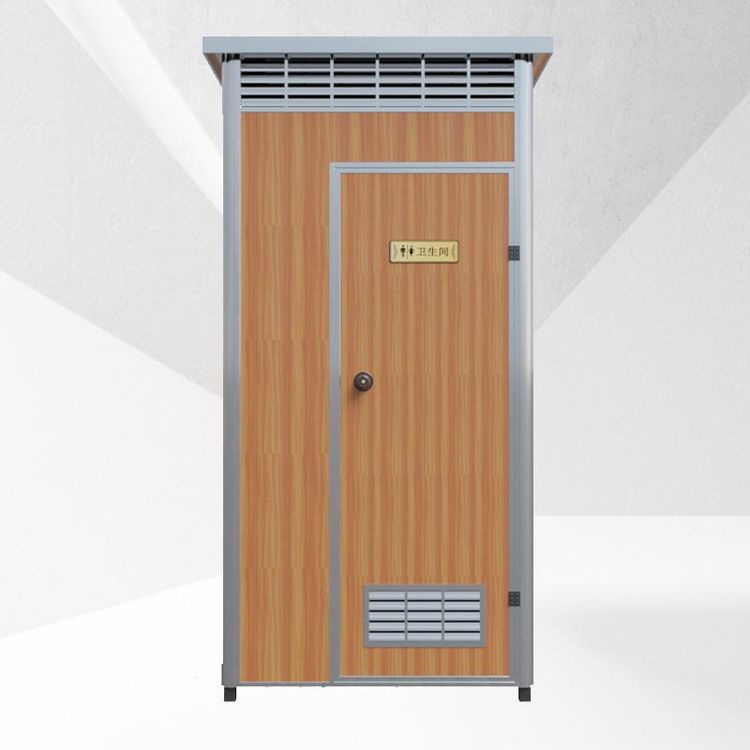
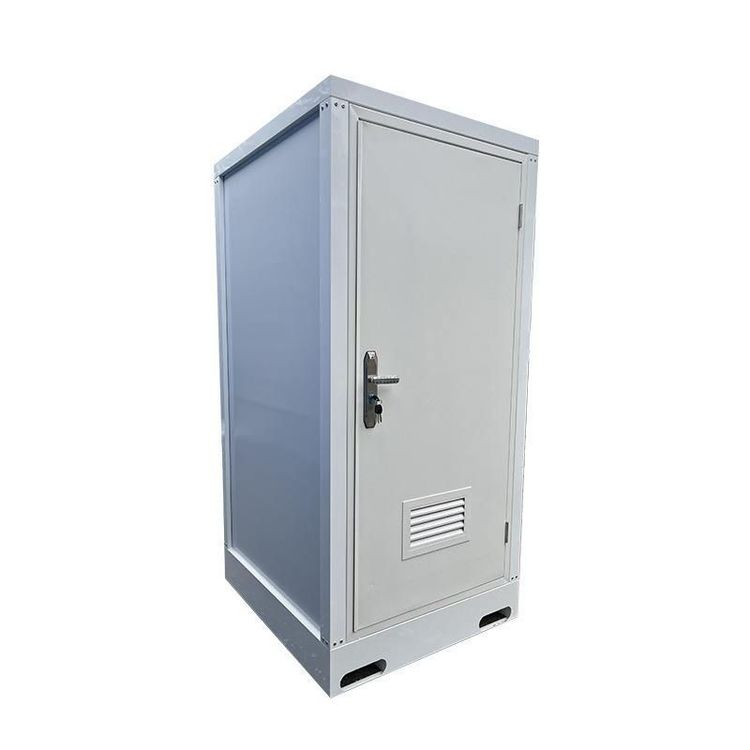
Determine specifications according to the usage scenario: Single-person units (occupying approximately 1.2 square meters, including a sink and storage cabinet) are suitable for construction sites and temporary events; Double-person units (with two squatting positions, some with partitions) are suitable for scenic spots and exhibitions; Multi-person units (3-4 people, with partitions) are suitable for large-scale events, with the demand calculated based on the standard of one squatting position per 100 people.
2. Choose Installation Methods Based on Structure
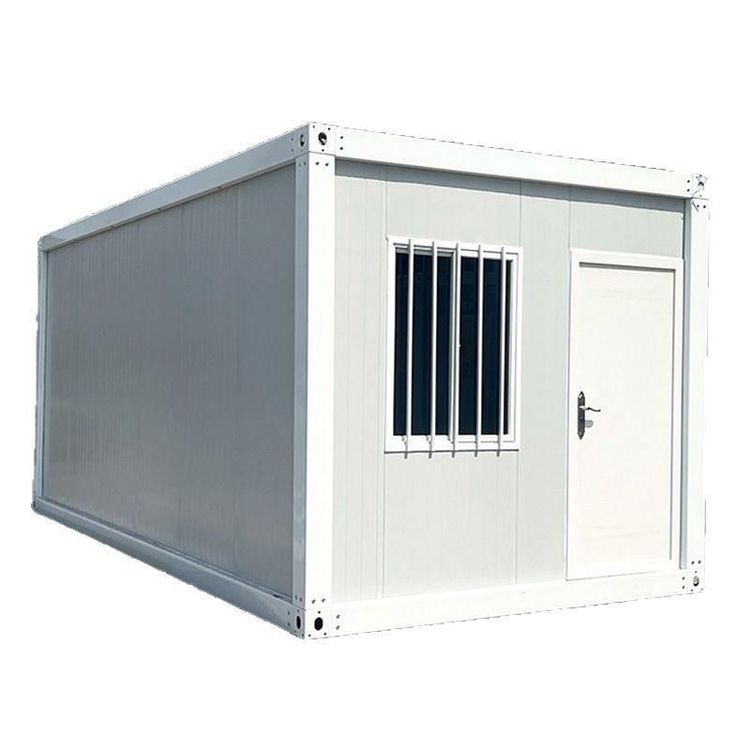
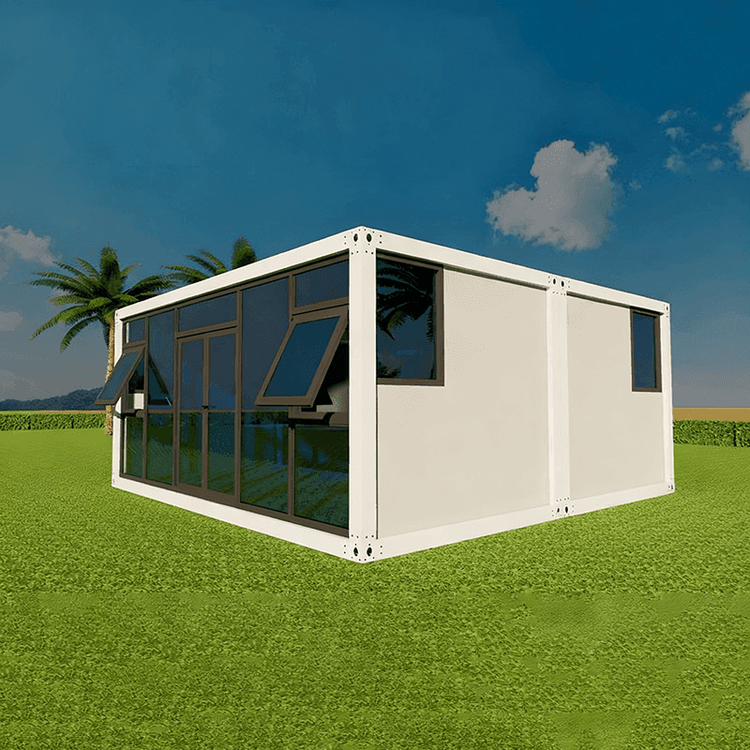
Select structural types according to site characteristics: Trailer-mounted units with wheels are easy to move quickly, suitable for temporary construction sites or exhibitions, with low transportation costs; Crane-mounted units require crane installation, have a stable structure, and are suitable for fixed sites such as scenic spots; Modular units adopt a modular design and can be assembled on-site for immediate use. In cold regions of Shanxi in winter, models with thermal insulation layers can be selected to enhance cold resistance.
3. Determine Needs Based on Functional Configurations
Basic models include squatting positions and flushing systems, while advanced models can be upgraded with functions as needed: In winter in Shanxi, consider heated toilets to prevent freezing; Automatic sensor flushing and deodorization systems can enhance the user experience; Special needs such as accessible restrooms (with handrails) and integrated mother-and-child rooms are suitable for scenic spots and public places.
4. Consider Flushing and Sewage Disposal Methods
Choose sewage disposal methods according to site conditions: Direct discharge requires connection to municipal sewage pipes and is suitable for long-term fixed locations; Packaging type does not require drainage and automatically packages feces with equipment, with no odor pollution, suitable for temporary sites; Foam sealing type achieves a 90% water-saving rate and is suitable for scenic spots with high water-saving requirements; Vacuum suction type has good water-saving effects, strong suction, and less residue.
5. Pay Attention to Materials and Configurations
It is recommended to choose galvanized square tubes or steel structures for the main frame, which are sturdy, durable, and can be relocated multiple times. The exterior wall material should be selected according to the scenario: Metal carved panels offer thermal insulation, corrosion resistance, and easy cleaning; Stainless steel panels are suitable for high-cleanliness locations; Stone-like paint blends well with the landscape. The interior should include non-slip floors, fire-resistant and flame-retardant panels, and integrated ceilings. The roof should adopt a three-layer waterproof and thermal insulation structure to prevent water leakage and high temperatures, and upgrading to double-layer thermal insulation tempered glass can enhance lighting and thermal insulation.
6. Other Considerations
Before selecting a model, measure the site dimensions, clarify the usage scenario (such as whether a sewage system is needed), and make a selection based on the budget. For first-time purchases, contact the manufacturer for a free design plan to ensure the equipment fits the site. Pay attention to the manufacturer's quality stability, including details such as wall material, chassis craftsmanship, welding process, sealing treatment, and internal non-slip design. After-sales service and spare parts supply should be included in the evaluation, clarifying the warranty scope, response method, and list of wear parts. Before installation, confirm the foundation conditions, such as whether a concrete pad is needed and whether sewage pipes are reserved.