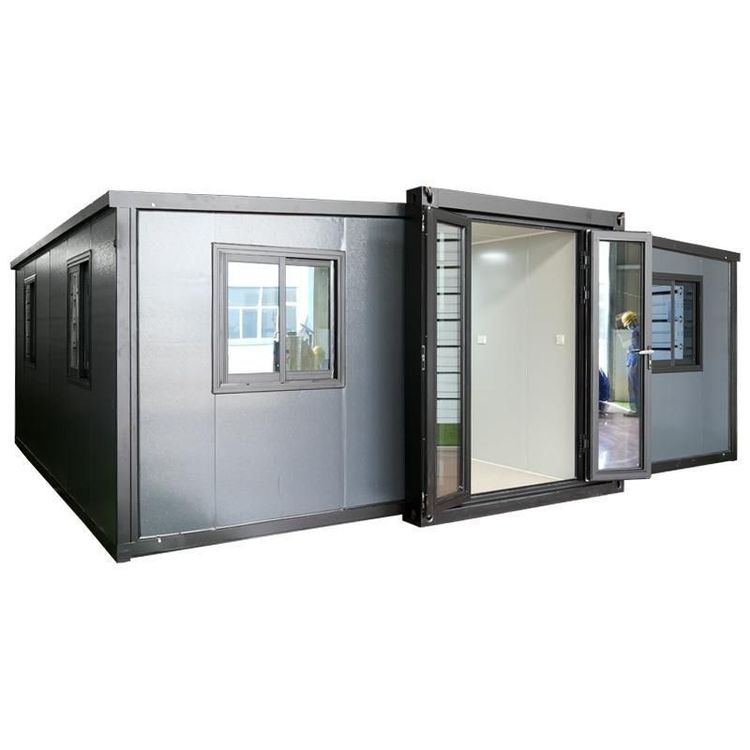
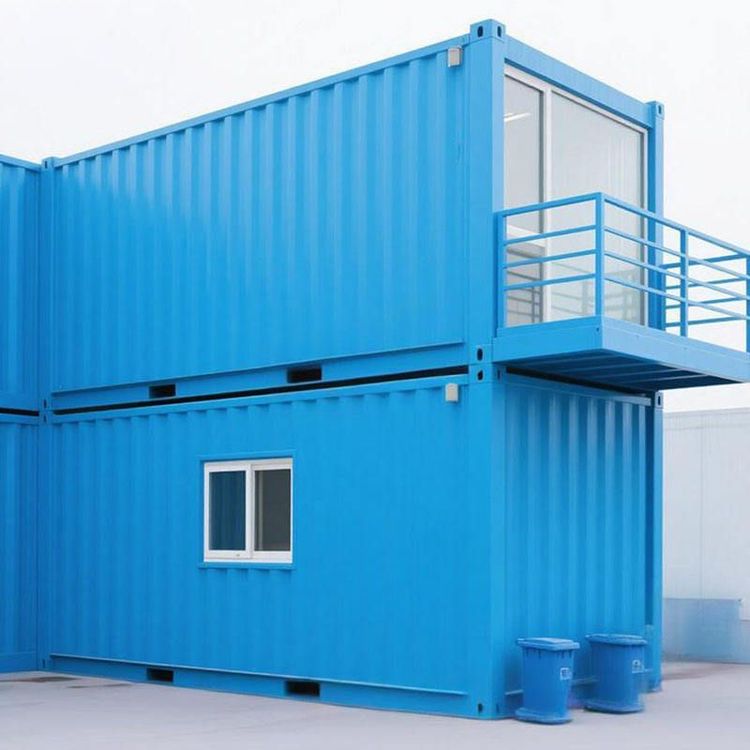
Shanxi Mobile Toilet Project
The Shanxi Mobile Toilet Project encompasses four core areas: supplier selection, product characteristics, application scenarios, and service standards, requiring comprehensive planning based on specific needs.

I. Supplier and Manufacturer Selection
Suppliers for the Shanxi Mobile Toilet Project exhibit diverse characteristics. Xi'an Zhonghong Construction Engineering Co., Ltd., based in Xi'an, Shaanxi, provides mobile toilets made of stainless steel and other materials, supporting customized production and large-scale supply, suitable for large-scale project needs. Taiyuan Xinkaida Traffic Facilities Engineering Co., Ltd., a leading producer of sentry boxes in North China, offers eco-friendly mobile toilets covering municipal, cultural tourism, and other fields, with rich service experience. Inner Mongolia Xinhe Integrated Housing Technology Co., Ltd. extends its business to Shanxi through modular steel structure technology, excelling in research and development, manufacturing, and assembly management, suitable for projects with high construction efficiency requirements. Selection should be based on a comprehensive assessment of project scale, geographical coverage, and technical needs.
II. Product Characteristics and Design Requirements
The core advantages of mobile toilets lie in their flexibility and adaptability. In terms of materials, durable options like stainless steel can withstand extreme temperature variations, ensuring walls do not crack or leak. Structurally, modular prefabricated design reduces construction periods through factory prefabrication and on-site dry construction, meeting the rapid deployment needs of cultural tourism development and municipal infrastructure projects. Additionally, products should reserve interfaces for smart sensors (such as automatic flushing and lighting) and water circulation systems to provide space for future upgrades. Customized services are crucial, with specifications adjusted according to the number of users and site conditions. For example, tourist attractions may need to increase toilet stalls during peak seasons, while temporary engineering facilities require enhanced durability.
III. Typical Application Scenarios
The application of mobile toilets in Shanxi has expanded beyond traditional municipal uses. In the tourism industry, for instance, a scenic spot temporarily converted men's toilets and deployed additional bus-mounted mobile toilets, effectively alleviating the problem of women's toilet shortages during holidays, demonstrating emergency scheduling capabilities. Cultural tourism campsites and rural self-built houses utilize modular designs for rapid space reorganization. In the commercial exhibition and temporary engineering support sectors, mobile toilets reduce long-term construction costs through their mobility. Furthermore, extreme environments (such as high-altitude cold and arid regions) impose higher requirements on product sealing and insulation, necessitating targeted model selection.
IV. Model Selection and Service Standards
During the model selection phase, it is essential to clarify site geological conditions (such as the need for reinforcement in soft soil foundations) and functional requirements (such as the need for barrier-free facilities or nursing rooms) to avoid additional costs later. The quotation system should cover the full range of expenses for design, transportation, installation, and commissioning, with service boundaries defining responsibility nodes (such as the party responsible for damage repairs). In the delivery process, non-standard components should be confirmed through prototypes in advance, and assembly sequences must strictly adhere to technical specifications, such as installing the main structure before connecting water and electricity pipelines. The after-sales mechanism should specify warranty periods (typically 1-3 years), inspection frequencies (such as quarterly), and component dispatch timelines (such as within 48 hours) to ensure long-term stability in use.