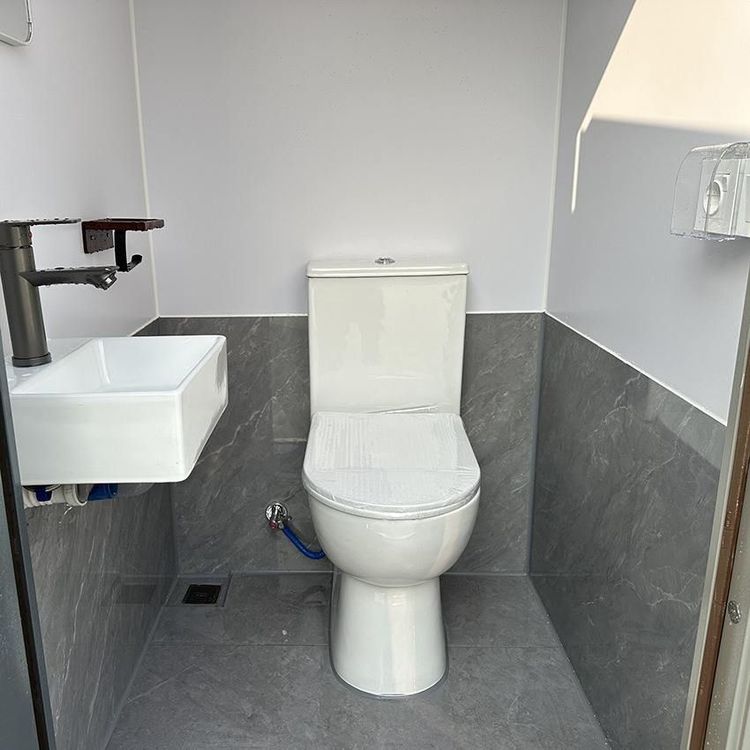
Shanxi Mobile Toilet Inspection
The inspection of mobile toilets in Shanxi Province mainly covers projects such as architectural and structural overview surveys, welding quality inspections, anti-corrosion coating inspections, damage inspections, dimensional verifications, component strength inspections, and safety calculation analyses, with an annual CMA report required for filing.

1. Architectural and Structural Overview Survey
The inspection requires a comprehensive understanding of the architectural and structural information of mobile toilets, including structural forms (such as frame-type and truss-type), plan dimensions, total height, and main component materials (such as steel grades and thicknesses). By reviewing design drawings and conducting on-site inspections, it is confirmed whether the structural system complies with design specifications, providing basic data for subsequent inspections.
2. Welding Quality Inspection
The steel structure toilet frame relies on welded connections, with the focus of inspection being on weld quality. Visual inspection methods are used to check for defects such as cracks, disconnections, and incomplete fusion in welds, confirming weld continuity and weld slag removal. Welding quality directly affects the overall stability of the structure and is a core aspect of safety appraisal.
3. Paint/Anti-Corrosion Coating Quality Inspection
Outdoor environments can easily lead to steel corrosion, with anti-corrosion coatings being a key protective layer. Inspections assess coating color uniformity and paint adhesion through visual inspection, identifying defects such as blistering, peeling, and bleeding. Coating failure accelerates steel rusting and shortens the structural lifespan, requiring thorough inspection.
4. Damage Inspection
Systematic inspections are conducted for structural cracks, deformations, and local damage, recording the location, extent, and causes of damage. For example, checking the flatness of door and window openings, whether wall panels are deformed, and the sealing of joints. Damage may be caused by overloading, material aging, or construction defects, with repair recommendations proposed based on analysis results.
5. Dimensional Verification
A 5m steel tape measure and laser distance meter are used to verify the deviation between the actual dimensions of the toilet and those on the design drawings, confirming whether key parameters such as length, width, and height meet requirements. Dimensional deviations may affect structural load distribution, requiring strict control of error ranges.
6. Structural Component Strength Inspection
Surface hardness methods are used to sample and inspect the strength of steel components, estimating steel tensile strength by measuring surface hardness and verifying whether it meets design strength grades (such as Q235 and Q345). Insufficient strength leads to a decrease in structural load-bearing capacity, requiring timely reinforcement or component replacement.
7. Structural Safety Calculation Analysis
Combining on-site inspection data, original design information, and construction records, professional software (such as YJK) is used for load-bearing capacity calculations, assessing the safety of the structure under wind and snow loads. The analysis results must clarify whether the structure meets current regulatory requirements, providing a basis for rectification.
Compliance Requirements
According to regulations from the urban management, cultural tourism, and safety supervision departments in Shanxi Province, outdoor public steel structure toilets must undergo a special safety appraisal once a year, with an assessment report issued by a CMA-qualified institution and safety records filed. Toilets that are not inspected on time or have unqualified reports will be ordered to make rectifications within a specified period to ensure the safe operation of public facilities.