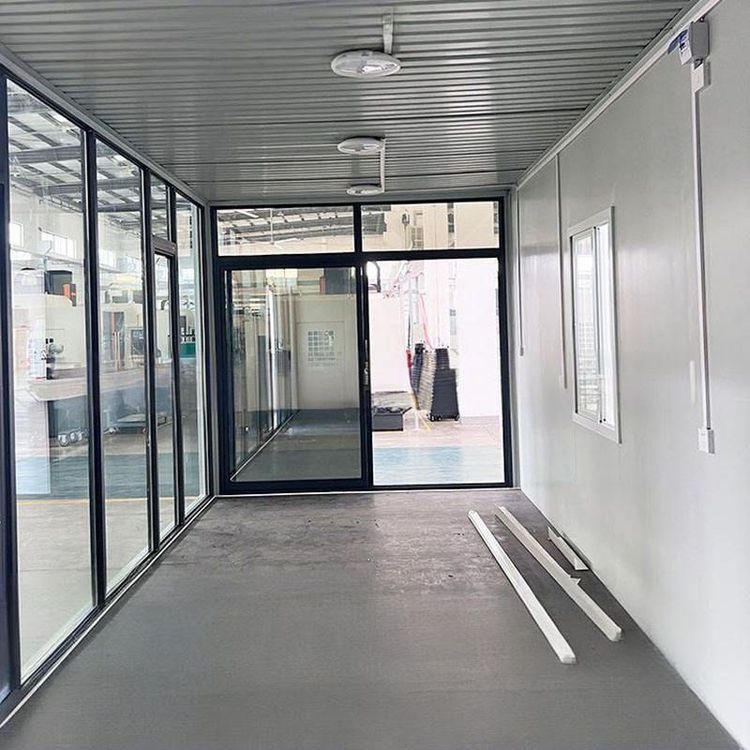
Shanxi Mobile Intelligent Toilet
The Shanxi mobile intelligent toilet is a modern public sanitation facility that integrates environmental protection and intelligent technologies, meeting the needs of various scenarios and playing a significant role in urban life.

I. Flexibly Responding to Peak Visitor Flows and Enhancing Usage Efficiency
The Shanxi mobile intelligent toilet achieves rapid functional adjustments through modular design. For example, during the May Day holiday in 2026, the Jinci Scenic Area converted buses into mobile men's toilets while temporarily transforming fixed toilets into women's toilets, increasing daily reception capacity from 3,000 to 5,000 people. This “dynamic allocation” model effectively alleviates toilet pressure during peak visitor periods, demonstrating the flexibility and adaptability of mobile toilets. Additionally, during the Shanxi Second National Youth Games, the mobile toilets put into use were equipped with air conditioning and purification devices, further optimizing the user experience in high-temperature or crowded scenarios.
II. Environmental Protection Technologies Reduce Resource Consumption and Promote Sustainable Development
Modern mobile toilets employ biodegradation technology, using microorganisms to decompose waste into harmless substances or even organic fertilizers, eliminating reliance on septic tanks and reducing pollution risks. In terms of water conservation, their flushing systems save over 60% more water compared to traditional toilets, making them suitable for areas with water scarcity. Meanwhile, the use of eco-friendly materials (such as color-coated steel plates and stainless steel) not only extends the lifespan of the facilities but also reduces environmental burdens during production and recycling, aligning with sustainable development principles.
III. Intelligent Configurations Enhance User Experience and Management Efficiency
The intelligence of mobile toilets is reflected in multiple aspects: automatic sensor flushing systems reduce manual contact, lowering the risk of cross-infection; intelligent monitoring systems provide real-time feedback on toilet usage status (such as the number of available stalls and cleanliness), facilitating timely maintenance by management personnel; air purification devices eliminate odors using negative ions or photocatalyst technology, improving air quality; and solar power systems supply clean energy for lighting, monitoring, and other equipment, reducing reliance on the power grid. These configurations make the user experience of mobile toilets far superior to that of many fixed public toilets.
IV. Multi-Scenario Adaptability Meets Diverse Needs
The lightweight materials (such as color-coated steel plates and stainless steel) and modular structure of mobile toilets make them easy to transport and assemble, allowing rapid deployment in construction sites, scenic parks, large event venues, and remote areas. Their exterior designs can also blend with the surrounding environment, such as adopting an antique style in scenic areas or a modern minimalist design at event venues, making them both practical and aesthetically pleasing. This adaptability makes them a “universal solution” for public sanitation.