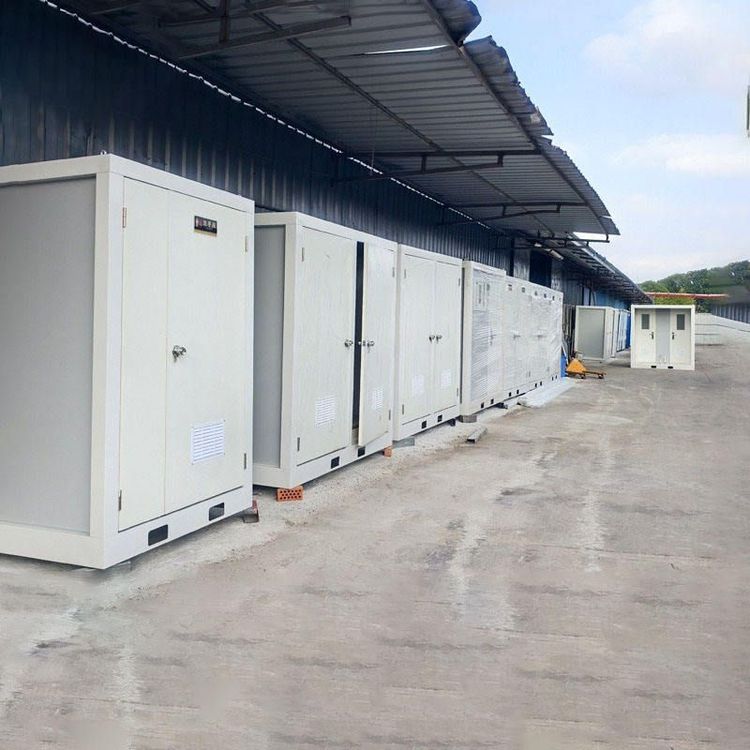
Shanxi Foam Mobile Toilet
The Shanxi foam mobile toilet is an eco-friendly mobile toilet designed for complex environments, featuring water conservation, freeze resistance, and efficient waste treatment. It is widely used in high-end scenarios such as Mount Wutai in Shanxi.
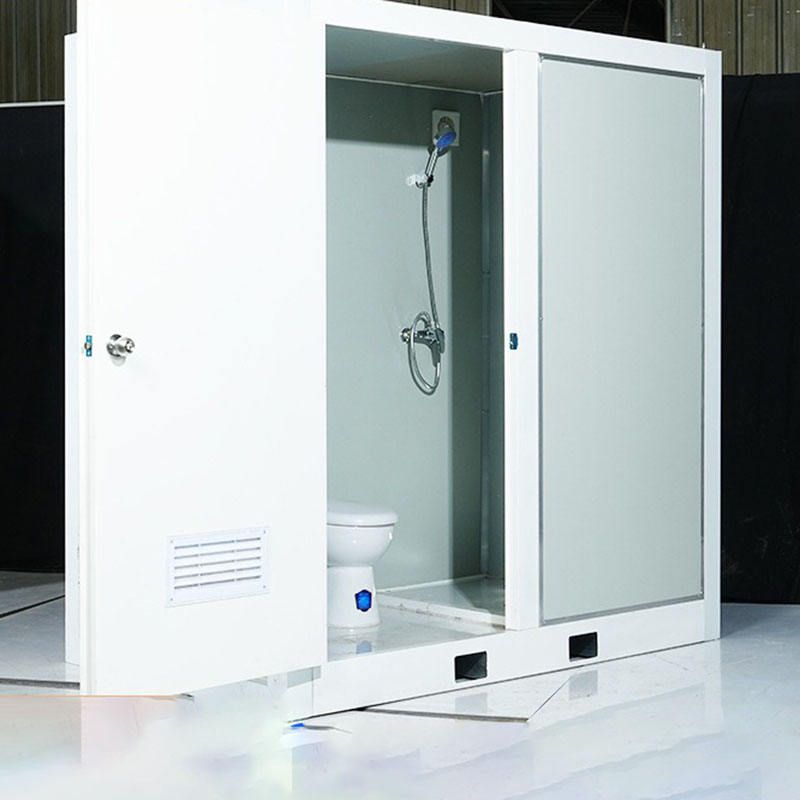
Application Scenarios and Technical Principles
The Mount Wutai area in Shanxi has complex terrain and a cold, dry climate. Conventional flush toilets face challenges such as water scarcity, winter freezing, and difficult wastewater treatment. The foam mobile toilet generates a high-multiple stable foam (with bubble diameters of 0.5-2 millimeters) by adding surfactants to a small amount of water through a foaming device, creating a physical isolation layer to wrap the waste. Its core advantage lies in water conservation: each flush in the Mount Wutai scenic area requires only 0.1-0.2 liters of water, compared to 6-12 liters for traditional flush toilets, significantly reducing water consumption.
Odor Control and Freeze-Resistant Design
The foam layer inhibits odors through a dual mechanism:
- Physical Barrier: The tightly arranged surfactant molecules enhance the density of the liquid film, preventing the escape of volatile gases such as ammonia and hydrogen sulfide.
- Chemical Degradation: Some high-end foam solutions add trace amounts of deodorants or biological enzymes that react with odor molecules through complexation or degradation.
In winter temperatures as low as -20 degrees Celsius, the foam solution undergoes freeze-resistant modification (e.g., by adding ethylene glycol or calcium chloride) to ensure the foam maintains a 10-20 minute sealing period at low temperatures, preventing freezing and failure.
Waste Treatment and Ecological Recycling
Foam toilets connect waste to an ecological treatment system, with common methods including:
- Microbial Degradation: Waste is transported to a sealed fermentation tank where anaerobic bacteria decompose organic matter at 40-50 degrees Celsius, producing methane (used for scenic area lighting or heating) and carbon dioxide. The residue is composted into organic fertilizer. This process requires controlling the carbon-to-nitrogen ratio (25:1-30:1), adjusting the ratio by adding carbon sources such as sawdust or straw. High-end equipment automatically regulates the dosage through sensors to ensure a degradation efficiency of over 85%.
- Vacuum Suction System: Some scenarios use vacuum suction technology to quickly transfer waste, reducing on-site treatment burdens.
Differences from Traditional Waterless Ecological Toilets
Foam toilets do not simply seal waste but achieve water conservation, odor control, and isolation through foam while connecting to a complete ecological treatment system. In contrast, waterless flush-pack toilets only collect waste without resource utilization, representing a fundamental difference between the two.
Rental Services and Price Reference
The rental service for Shanxi foam mobile toilets is a comprehensive system covering equipment supply, auxiliary systems (electricity, clean water supply, wastewater treatment), and operation and maintenance support (cleaning, consumable replenishment, fault repairs). Prices vary based on configuration:
- Basic eco-friendly public toilet: 5225.0 yuan
- Foam-sealed direct-drain flush toilet: 9999.0 yuan
- High-end foam-type mobile restroom: 11500.0 yuan
When selecting a service provider, it is essential to evaluate their response capability, equipment performance, and service standardization.