
Shanxi Datong Outdoor Mobile Toilet
Shanxi Datong outdoor mobile toilets have various types, characteristics, and applicable scenarios.
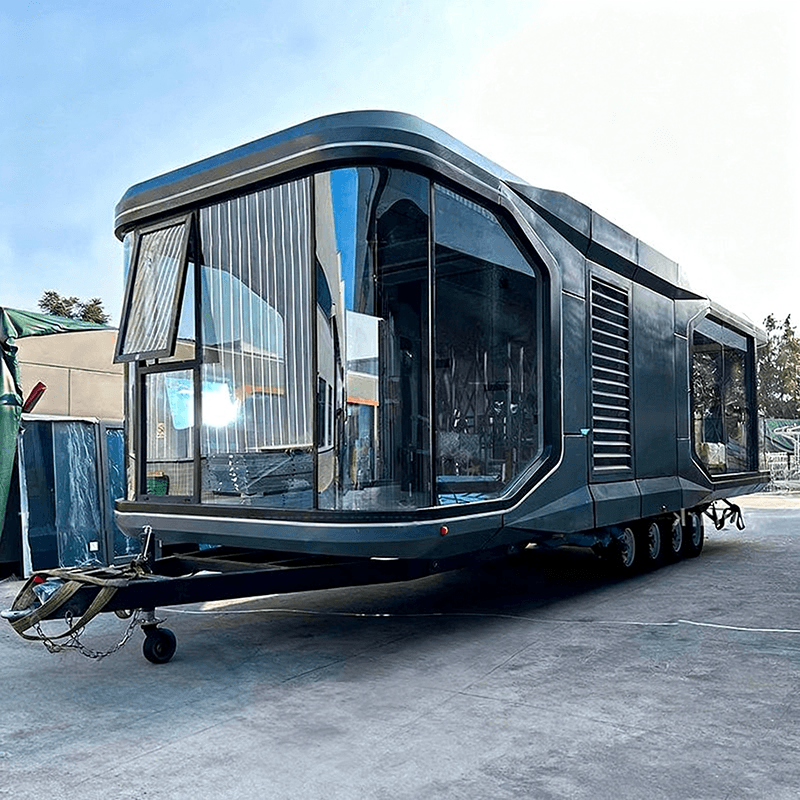
Diverse manufacturers and product types: The Datong Shanxi mobile toilets produced by Cangzhou Hengtai Sanitation Equipment Co., Ltd. are branded as Hengtai, with models including htcs - 530 and htcs - 528. The materials used include color-coated steel plates, metal carved plates, anti-corrosion wood, and aluminum-plastic plates, among others, and they are suitable for a wide temperature range from -30℃ to 40℃. Hebei Huizhe Environmental Protection Technology Co., Ltd. offers products such as mobile toilet cabins in Datong, Shanxi. Their double-urn funnel-type septic tanks have many advantages, such as high strength and good sealing. After use, they can reduce intestinal infectious diseases, and the fermented fertilizer can also increase soil fertility. Zhengzhou Xinzhiyu Environmental Protection Technology Co., Ltd. produces Datong vehicle-mounted trailer-type mobile toilets, priced at 10,000 yuan each. The material is carved plates, with optional colors, and the sewage discharge method is water flushing, suitable for outdoor use.
Significant advantages: They have strong adaptability to site conditions and do not rely on fixed underground sewage pipe networks and complex foundation works. They can be placed in areas lacking traditional municipal infrastructure, such as large outdoor event venues, phased construction sites, or temporary personnel gathering points. Their modular nature makes it possible to relocate the entire unit. When the demand at a certain location ends, they can be transferred to a new location for reuse through lifting equipment, improving resource utilization efficiency. The on-site installation period is significantly shorter than that of traditional civil-engineered toilets, with the main work being site leveling and the fixed connection of unit bodies.
Certain constraints: Their functionality is highly dependent on the timeliness of supporting services. With fixed water storage capacities and wastewater collection tank volumes, if the service intervals are not properly arranged or there is sudden high-intensity use, water shortages or sewage overflows may occur. During continuous use, the internal space environment control is not as stable as buildings equipped with professional ventilation systems and air-conditioning facilities, especially posing challenges in extreme weather or high-density use situations. Frequent overall relocation may cause potential fatigue damage to structural connection points and internal pipeline interfaces, requiring regular professional maintenance. The main structural materials involve a trade-off between light weight and durability, and the expected service life of some materials may be shorter than that of professional buildings. The energy consumption for maintaining normal operation includes not only the power consumption of internal lighting, ventilation, and other equipment but also the energy consumption generated by the transportation of supply and waste removal vehicles.



