
Shangzhi Mobile Tourism Eco-Toilet
Currently, no specific information on the 'Shangzhi Mobile Tourism Eco-Toilet' has been retrieved, but the general characteristics of mobile tourism eco-toilets can be summarized as follows:
The technical solutions for mobile tourism eco-toilets exhibit diverse features, encompassing five major categories: waterless flushing, foam sealing, water flushing, circulating water flushing, and dry packing. Among them, the circulating water flushing type decomposes feces through biological bacteria and biofilm technology, and the treated water can be recycled for flushing, achieving efficient utilization of water resources. The dry packing type uses biodegradable plastic bags to collect excreta, requiring no water throughout the process, making it suitable for water-scarce or ecologically sensitive areas. Water flushing and foam sealing types reduce water consumption by optimizing flushing methods; the former relies on municipal water supply or water storage devices, while the latter uses foam coverage to minimize odor diffusion.
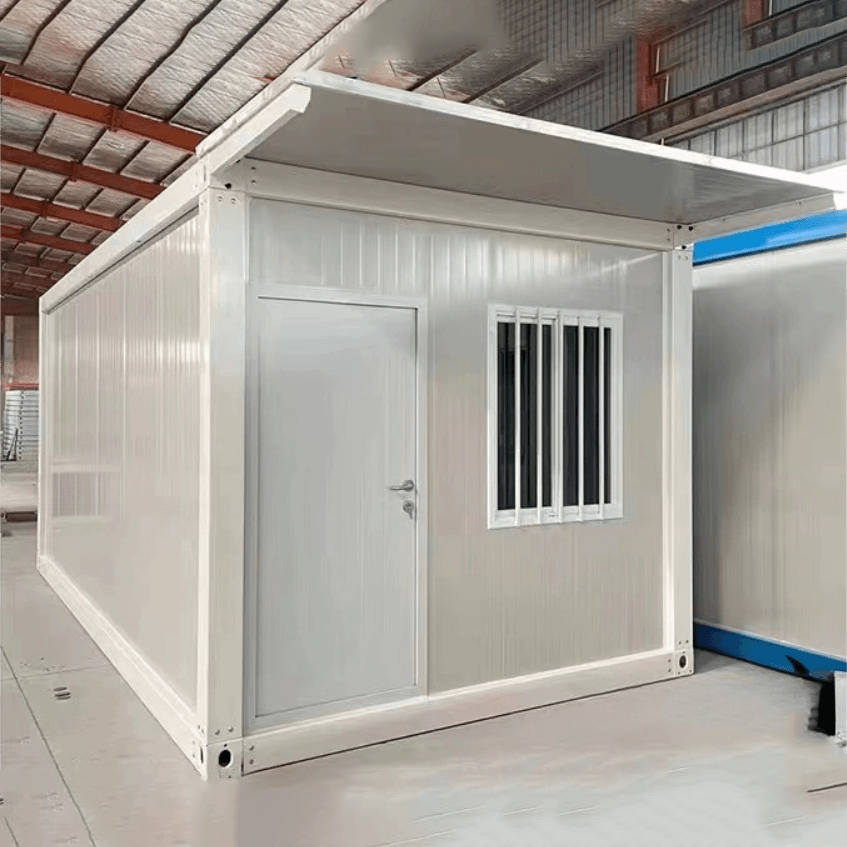
Modular design is at the core of its structure. The main frame is welded using national standard steel (such as channel steel and I-beams) to ensure structural stability and resistance to wind and earthquakes. Exterior wall materials can be selected from color-coated steel plates, metal carved panels, aluminum-plastic panels, or anti-corrosion wood, balancing anti-corrosion, fire resistance, and aesthetic appeal. Internally, it is equipped with an independent toilet pit partitioned treatment system to prevent cross-contamination; non-slip floors and automatic flushing toilet bowls enhance safety; ventilation and lighting systems (such as exhaust fans and LED lights) ensure air circulation and sufficient light; some high-end products integrate intelligent control systems, monitoring usage frequency, water levels, and other parameters through PLC data acquisition modules, and providing real-time status feedback and fault warnings through 4G remote monitoring modules.
Environmental protection features are reflected in two aspects: resource recycling and pollution control. Rainwater collection and filtration systems convert rainwater into flushing water, while handwashing water secondary flushing technology further reduces freshwater consumption, with some products achieving a low water consumption of 0.46 liters per person. Microbial degradation technology breaks down organic matter through specific bacteria, reducing fecal volume and odor; pollutant self-purification systems remove harmful substances through physical filtration or chemical treatment to ensure compliant discharge. These technologies meet the requirements for eco-friendly public facility construction, especially suitable for geologically fragile areas and scenic overlooks during peak tourist seasons.
Application scenarios focus on areas with dense tourist activities, such as scenic trails, transportation routes, and tourist gathering points, achieving a 'five-minute toilet access circle' through reasonable layout, balancing tourist needs and environmental protection. The design adheres to the principles of mobility, cost-effectiveness, durability, and environmental friendliness, with a lightweight yet sturdy structure that facilitates lifting, transportation, and reuse, reducing resource waste caused by the demolition of fixed facilities.



