
Shangqiu Roadside Portable Toilet
The rental, layout, installation, maintenance, and compliance requirements for roadside portable toilets in Shangqiu are as follows:
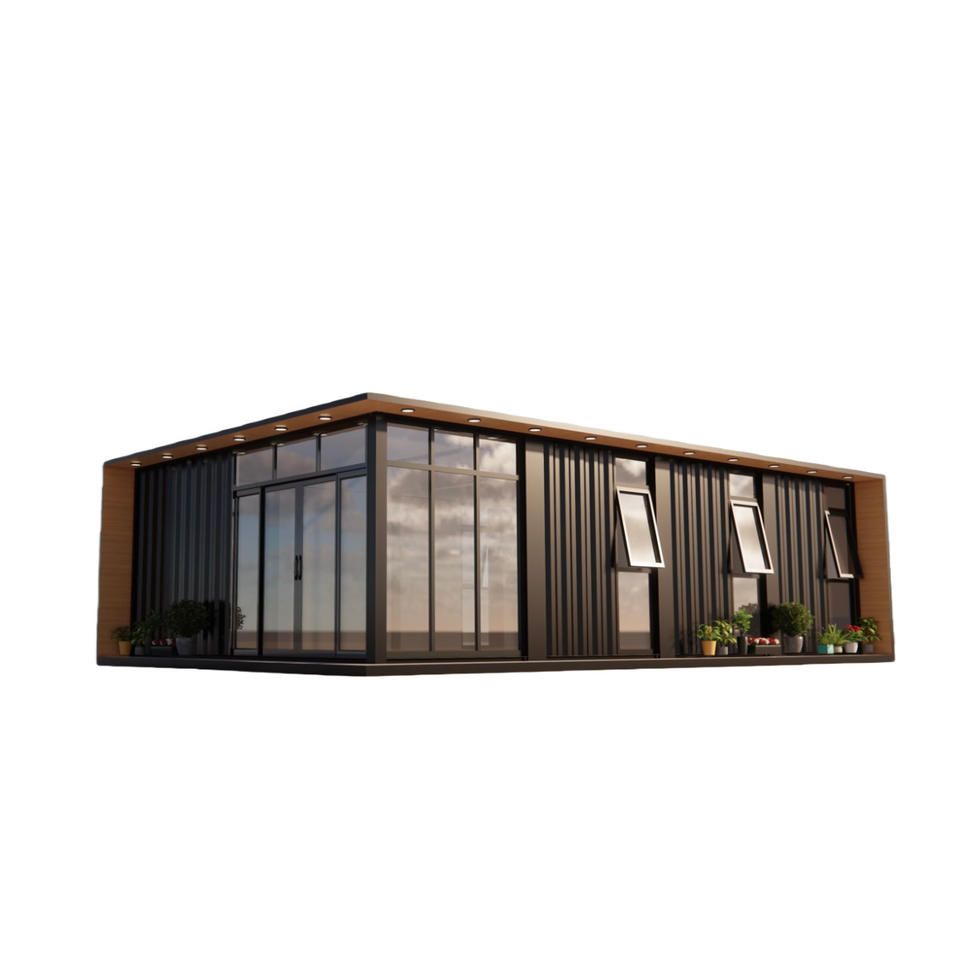
I. Rental Services and Applicable Scenarios
Shangqiu offers portable toilet rental services covering temporary event scenarios such as marathons, concerts, music festivals, and construction sites. Rental parties can select different toilet types based on event scale, duration, and requirements to meet short-term or long-term usage needs.
II. Brand and Material Selection
Portable toilet brands in Shangqiu include Huajie Lvyuan, Shenchean, Yibingsi, etc., with materials covering stainless steel, steel structures, and aluminum-plastic panels. Stainless steel is corrosion-resistant and easy to clean, suitable for humid environments; steel structures offer high strength and stability, ideal for high-traffic scenarios; aluminum-plastic panels are lightweight and cost-effective, facilitating quick installation and relocation.
III. Site Layout Specifications
- Location Selection: Must be within 50 meters of the main event venue or entrance, avoiding muddy sections, steep slopes, and densely populated areas, maintaining at least a 2-meter distance from temporary structures to ensure safe passage.
- Drainage Conditions: The site should be elevated above the surrounding ground, away from low-lying areas prone to water accumulation. The septic tank's sewage pipe must connect to the municipal sewer network or be equipped with temporary drainage facilities to prevent sewage overflow.
- Functional Area Division: Male and female toilet stalls should be allocated at a ratio of 1:20 based on estimated attendance, with additional space reserved for women during peak times. One accessible toilet stall should be added for every 50 people to accommodate individuals with special needs.
IV. Installation and Maintenance Procedures
- Pre-Installation Preparation: Survey the site to avoid low-lying waterlogged areas, beneath high-voltage power lines, and pedestrian pathways, checking the integrity of the equipment main body and accessories.
- On-Site Installation: Use forklifts or cranes to lift and place the toilets steadily at designated locations, connecting the drainage system and testing flushing, door locks, ventilation, and other functions to ensure proper operation.
- Daily Maintenance: During the rental period, garbage should be cleared daily, toilet paper and hand soap replenished, and equipment status regularly inspected to maintain internal cleanliness and dryness.
V. Compliance and Safety Requirements
- Filing Management: Submit a "Temporary Facility Filing Form" to the local sanitation department in advance, specifying the usage period, quantity, and location to ensure legal compliance.
- Sewage Disposal Management: The septic tank should be cleaned every three days, with sewage meeting the "Discharge Standard of Pollutants for Municipal Wastewater Treatment Plants" and strictly prohibited from being directly discharged into storm drains.
- Electrical Safety: Equip with an independent distribution box, protect wires with conduits and keep them away from water sources, and use lighting with a voltage below 36V at night to prevent electric shock risks.



