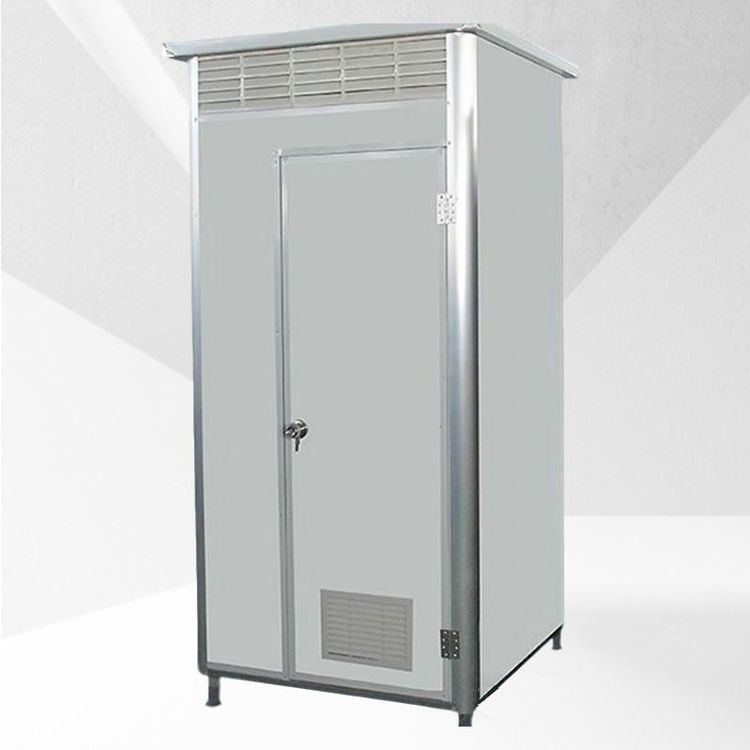
Shangluo Community Mobile Toilet Renovation
The renovation of mobile toilets in Shangluo communities should be implemented comprehensively by combining planning standards, technology selection, cost control, and management regulations. The specific key points are as follows:

I. Planning Basis and Compliance
The renovation must strictly adhere to the 'Urban Environmental Sanitation Facilities Planning Standard' (GB/T50337-2018) and the 'Environmental Sanitation Facilities Setting Standard' (CJJ27-2012). The urban management department, in conjunction with the natural resources department, should clarify construction requirements in the regulatory detailed plan. According to the 'Shangluo City Public Toilet Construction Management Measures', public toilets must be installed in public areas such as residential communities of a certain scale, and the renovation plan must comply with the coverage requirements of this clause.
II. Technology Solution Selection
- Renting Mobile Toilets: Suitable for communities with short-term needs or limited budgets, enabling rapid deployment but with higher long-term costs.
- Waterless Mobile Ecological Toilets: It is recommended to adopt microbial degradation technology, which does not require external sewage pipes and achieves 'zero emissions' through the decomposition of organic matter by microbial communities. Its core configurations include:
- Foam Blocking Flushing System: Only 0.2 liters of water per flush, with a water-saving rate exceeding 90%;
- Three-stage Filtration Water Circulation Device: The recycling rate exceeds 95%, reducing water consumption;
- Dynamic Deployment Mode: For communities with large fluctuations in pedestrian traffic, the number of devices can be adjusted based on real-time pedestrian data to avoid resource idleness.
III. Cost Control and Procurement
The price range of waterless mobile ecological toilets is from 2000 yuan to 8000 yuan, depending on the performance of the control system, air purification efficiency, and material quality. For example, models equipped with intelligent humidity regulation devices and high-efficiency activated carbon filtration systems have higher costs but can extend equipment lifespan and reduce maintenance frequency.
IV. Post-renovation Management and Maintenance
After the renovation, the local urban management department is responsible for daily maintenance, focusing on the following aspects:
- Humidity Regulation Device: Regularly inspect the equipment's operating status to ensure a stable microbial degradation environment;
- Filter Media Replacement: Activated carbon should be replaced every 3000 cycles or when odor exceeds standards to avoid secondary pollution;
- Environmental Standard Compliance: Regularly test emission indicators to ensure compliance with the requirements of the 'Environmental Sanitation Facilities Setting Standard'.
V. Adaptation to Special Scenarios
For communities experiencing a surge in pedestrian traffic during holidays or events, additional mobile toilet units can be temporarily installed, and usage frequency can be monitored through an IoT platform to achieve dynamic resource allocation. The renovation plan should reserve expansion interfaces for future upgrades or functional expansions.