Shanghai Container Refit House
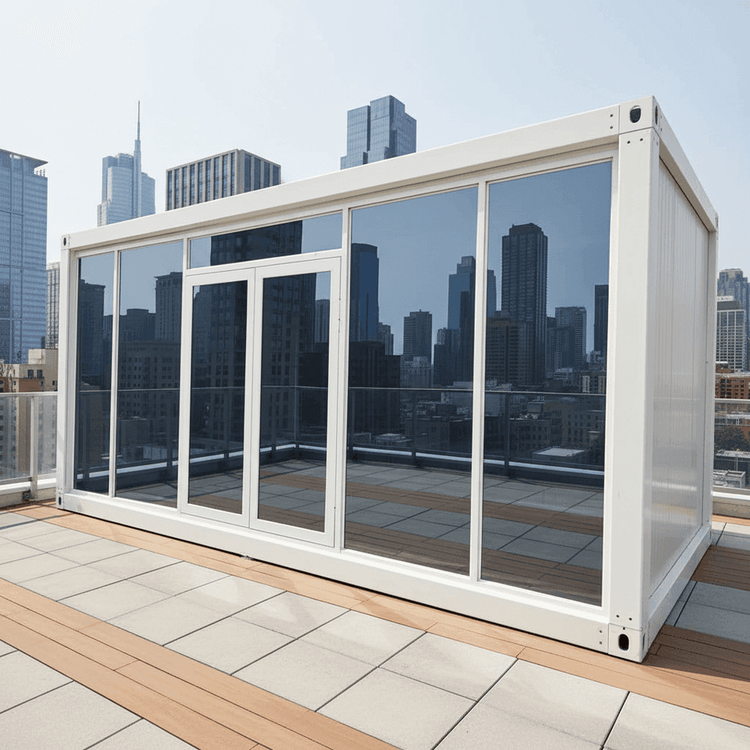
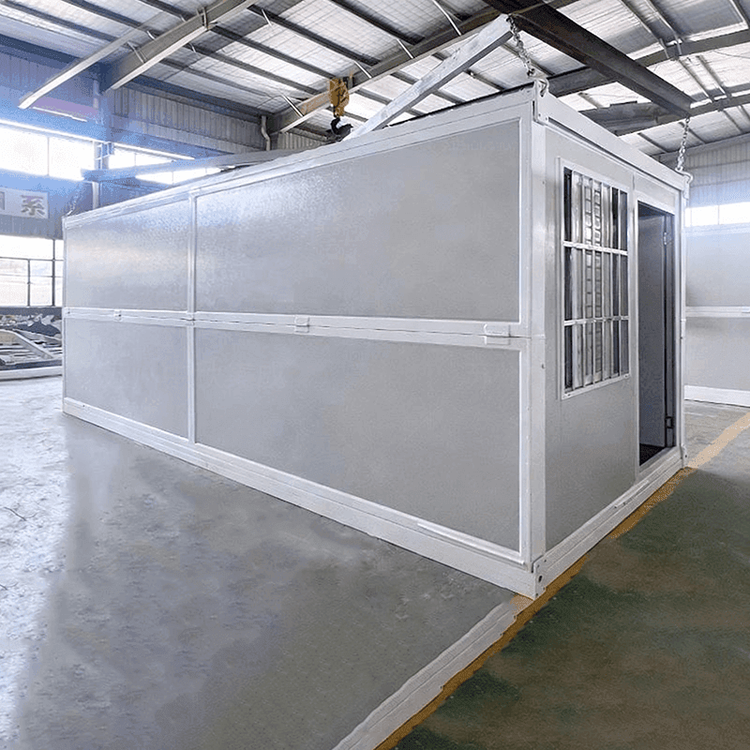
Shanghai container refit houses are a modular architectural form that transforms standard shipping containers into livable or office spaces through structural modifications and interior renovations. They are characterized by low cost, rapid construction, and mobility, but attention must be paid to legality and safety issues.

I. Main Forms of Shanghai Container Refit Houses
Basic Residential Type
Using 20-foot or 40-foot standard containers as units, windows, doors, and ventilation systems are added through cutting and welding. Floors are laid, and electrical circuits and lighting are installed inside to form simple dormitories or offices. For example, the corrugated container mobile houses provided by Shanghai Tongjiuzhou Container Co., Ltd., priced between 4,800 and 7,800 yuan, are suitable for temporary accommodation on construction sites.Customized Functional Type
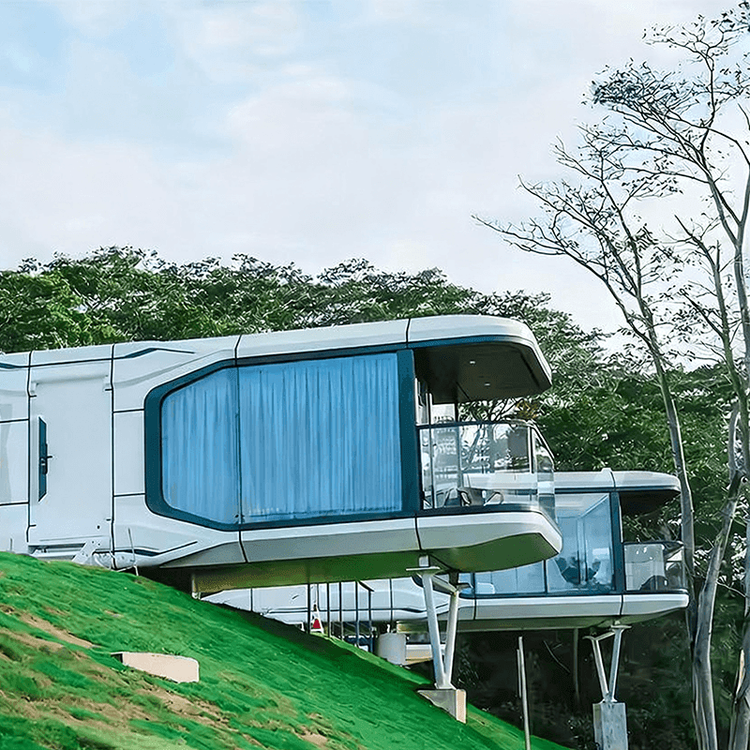
According to specific needs, containers undergo in-depth modifications, such as adding insulation layers, installing air conditioning systems, and designing multi-story structures. Shanghai Yuanjue Architectural Technology Co., Ltd. offers customized services for weathering steel container homestays and exhibition halls, achieving functions such as thermal insulation and original design, suitable for commercial or cultural tourism scenarios.Modular Combined Type
Multiple containers are spliced together to form architectural clusters, connected by stairs and corridors to create large spaces such as office buildings and hotels. For example, the Shanghai Container Architectural Cluster is built from 30 discarded containers, including functional areas such as offices and capsule hotels, with a construction cost of approximately 4,000 yuan per square meter.
II. Core Advantages and Applicable Scenarios
- Cost-effectiveness: Second-hand containers are inexpensive (e.g., a 20-foot container costs about 8,500 yuan), and the renovation cycle is short (some manufacturers deliver within 48 hours), making them suitable for temporary projects with limited budgets.
- Flexibility and Mobility: Container houses can be relocated as a whole, suitable for scenarios such as construction site dormitories, post-disaster resettlement, and exhibition events.
- Environmental Protection and Sustainability: Utilizing discarded containers reduces construction waste, aligning with the concept of green architecture.
III. Key Considerations
- Legality: It is necessary to confirm the nature of land use to avoid unauthorized modifications being deemed illegal structures (e.g., in the case of Changhai Road Subdistrict, containers were removed for occupying roads).
- Safety: Lightning protection facilities and fire-resistant materials must be installed, and structural stability must be ensured, especially in mountainous or extreme weather areas.
- Comfort: Soundproof cotton, insulation layers, and ventilation systems should be added to improve the issues of cold winters and hot summers, as well as poor sound insulation in containers.