Shahe Container Mobile House
Shahe container mobile houses generally refer to movable residential or office buildings transformed from containers, featuring modularity, customizability, and ease of transportation. They are widely used in construction sites, temporary offices, tourist resorts, and other scenarios.

I. Product Types and Characteristics
Basic Container Houses
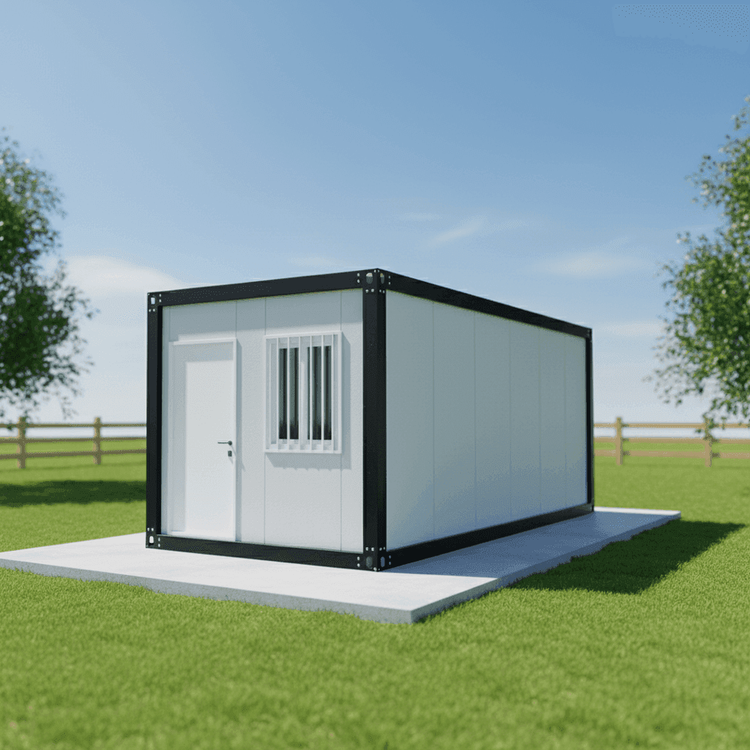
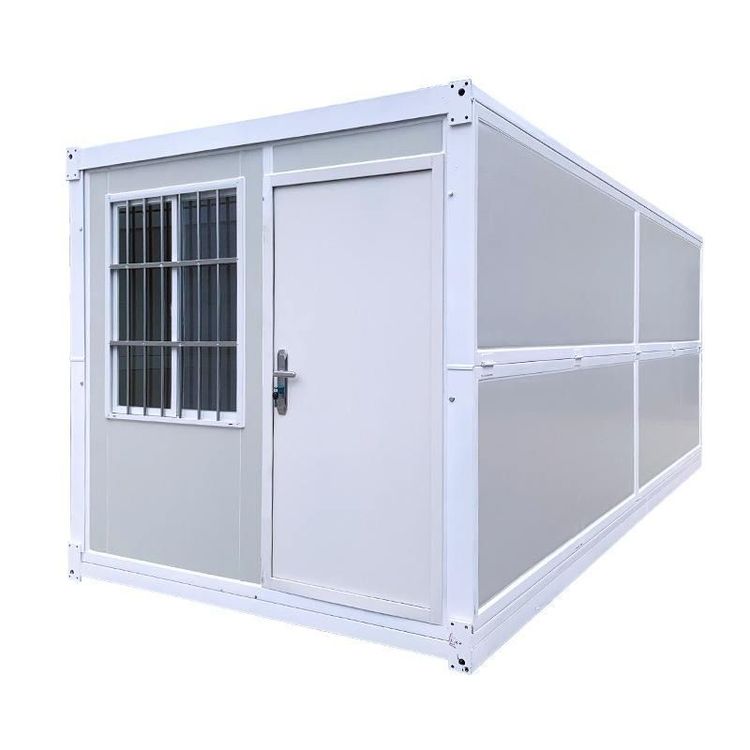
Using standard containers as frames, their strength is enhanced through welded steel structures. The walls are made of color-steel sandwich panels, providing sound insulation, heat insulation, and fire resistance. For example, Beijing Falilai offers a 3×6×2.7-meter container house equipped with doors, windows, a distribution box, and a lighting system, which can be quickly assembled into dormitories, offices, or storage spaces.Modular Combined Houses
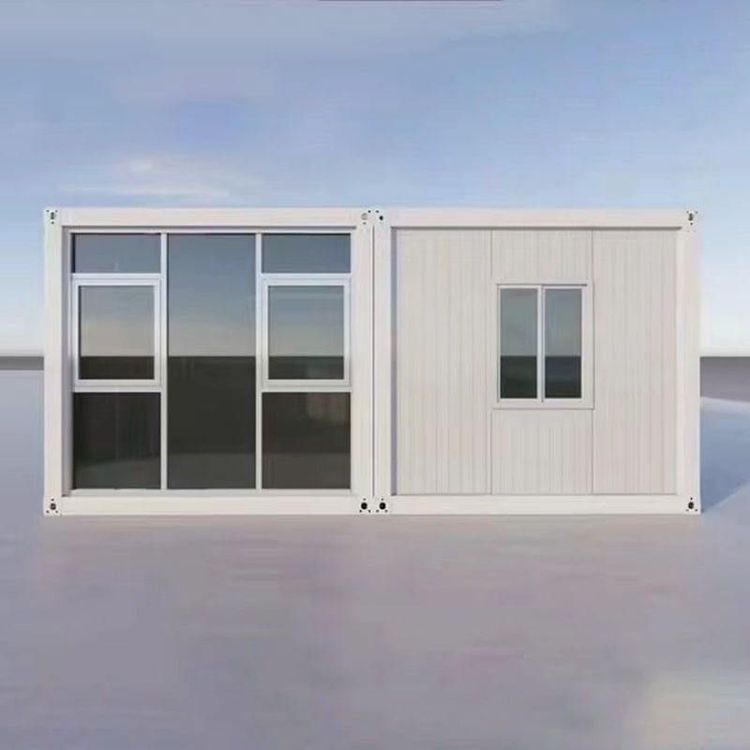
Based on container units, they are spliced horizontally or vertically to form larger spaces. For instance, a company in Suzhou provides prefabricated modular office buildings that combine multiple containers to create functional areas such as meeting rooms, dormitories, and kitchens, meeting complex scenario requirements.High-End Customized Houses
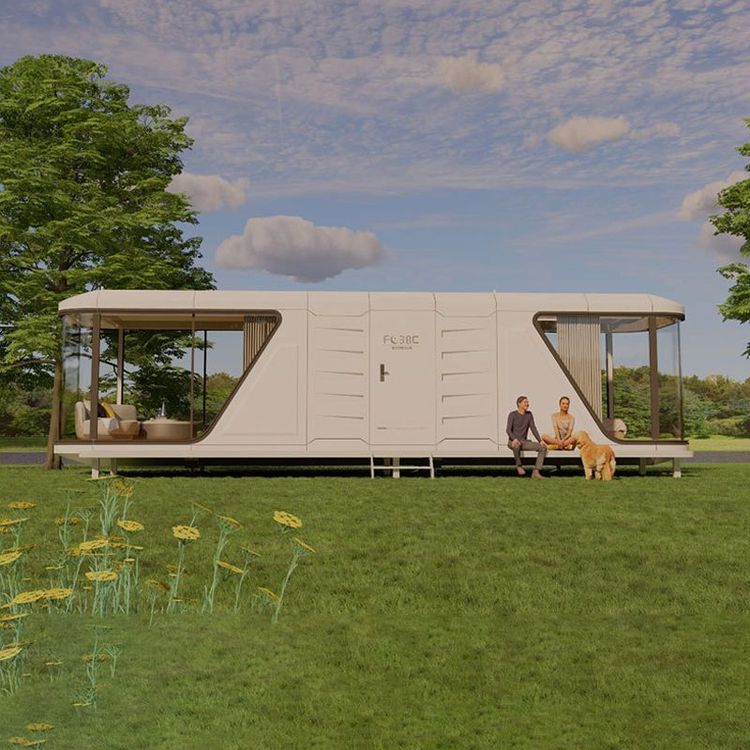
Using materials like aluminum alloy and tempered glass to upgrade appearance and performance, such as a double-story flat-roof electric retractable villa launched by a company in Shandong, integrating solar systems and smart control systems, suitable for resort areas or high-end temporary residences.
II. Core Advantages
- Transportation Convenience: Standardized sizes (such as 20 feet and 40 feet) comply with international transportation regulations, allowing for whole-unit lifting or disassembly for transportation, reducing logistics costs.
- Structural Stability: A fully steel frame and welding process ensure earthquake resistance and deformation resistance, adapting to harsh environments.
- Functional Expandability: The internal layout can be adjusted as needed, supporting the addition of modules such as bathrooms and shower rooms. Some products have reserved water and electricity interfaces for rapid deployment.
- Environmental and Economic Efficiency: Most products use recyclable materials, with a service life of 10-15 years. The cost of transforming second-hand containers is 30%-50% lower than that of traditional buildings.
III. Application Scenarios
- Construction Sites: Serving as worker dormitories and project manager offices to meet temporary residential and office needs.
- Disaster Relief: Quickly setting up temporary medical stations and resettlement points, such as the widespread use of container houses in post-earthquake reconstruction after the Wenchuan earthquake.
- Commercial Sector: Transforming into mobile shops like cafes and bookstores, or renting out as Airbnb vacation homes.
- Industrial Use: Serving as warehouses and equipment rooms, utilizing the container's airtightness to protect precision instruments.
IV. Customization Process
Users can submit their requirements (such as size, material, and function) through the manufacturer's website, with some companies offering 3D design services. The customization cycle typically ranges from 7 to 30 days, covering the entire process of production, transportation, and installation. Some manufacturers support leasing services to reduce initial costs.