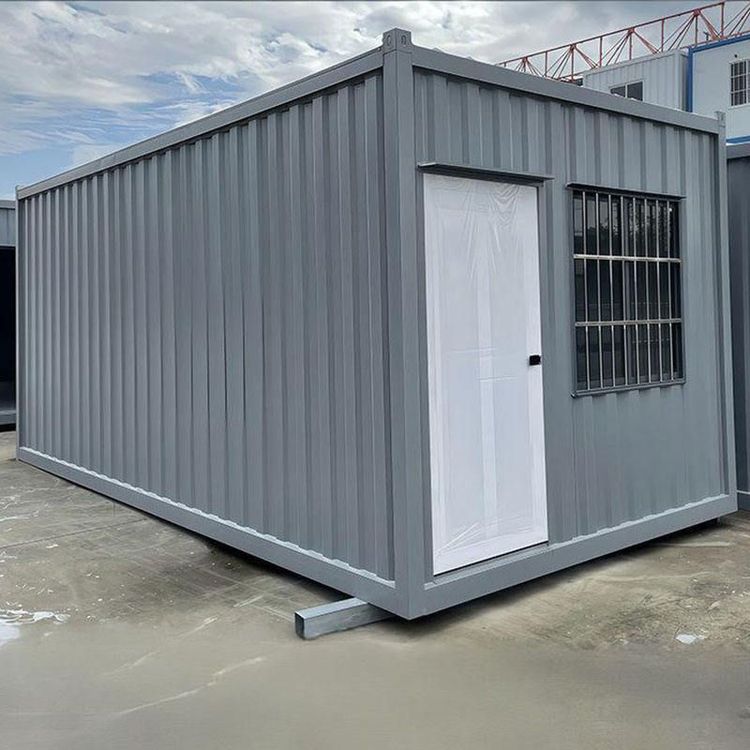
Shache County Mobile Toilet Installation
The installation process of mobile toilets in Shache County generally follows the core steps of 'positioning - assembly - connection - commissioning', as detailed below:

Positioning and Site Preparation
Determine the installation location based on usage requirements and site planning, prioritizing areas with solid ground and smooth drainage. If the site has slopes or unevenness, conduct foundation reinforcement or ground leveling in advance to ensure the mobile toilet remains stable after installation. For sites without access to municipal water and electricity, reserve space for small water storage devices (such as water tanks) and power generation equipment (such as batteries or generators) to meet basic usage needs.Assembly and Equipment Installation
- Modular Mobile Toilets:
- Chassis Installation: Use a forklift or manual labor to place the prefabricated steel structure chassis steadily at the predetermined location, adjusting it to a level state with a spirit level to ensure the subsequent wall panel installation is stable.
- Wall and Roof Installation: Insert the sandwich panel wall panels sequentially into the chassis slots and secure them with bolts or clips; then install the roof panel and seal the joints (such as by applying waterproof glue or installing sealing strips) to prevent rainwater leakage. Wall panel installation typically takes 1-2 hours.
- Internal Facility Installation: Install partitions, toilets, flushing systems, sinks (optional), lighting, and ventilation equipment. The connection of water and electricity pipelines should be operated by professionals, but the modular quick-connect design can shorten the installation time.
- Integrated Mobile Toilets (such as container-type toilets):
The factory has completed the interior decoration and equipment integration. On-site, simply use a crane to hoist the entire unit to the designated location, then connect the water, electricity, and sewage pipelines. The installation time can be shortened to 2-4 hours.
- Modular Mobile Toilets:
Pipeline Connection and Equipment Commissioning
- Water and Electricity Connection: For modular toilets, connect the water and electricity pipelines simultaneously during the installation of internal facilities; for integrated toilets, connect the external water source, power supply, and sewage pipelines after hoisting.
- Sewage Disposal: Choose between direct discharge (connecting to the municipal sewage network) or sewage storage (equipped with a septic tank or sewage storage tank) based on site conditions, ensuring the sewage system is well-sealed.
- Function Testing: Conduct flushing tests (checking water pressure and drainage smoothness), circuit checks (ensuring lighting and ventilation equipment operate normally), and sealing checks (focusing on doors, windows, and pipeline joints), and adjust equipment parameters to their optimal state.
Precautions: The installation process must strictly adhere to standards such as the 'Hygiene Code for Mobile Toilets' (GB/T 21239-2023) to ensure structural safety and hygiene compliance. For outdoor or temporary use, prioritize wind-resistant and corrosion-resistant materials and regularly maintain the equipment to extend its service life.