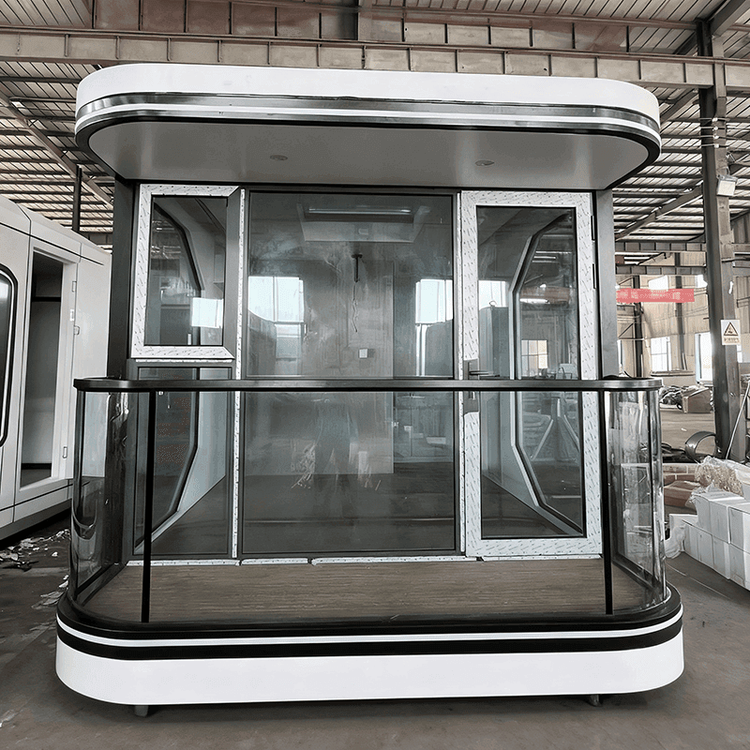
Shaanxi Mobile Toilet Cleaning Recommendations
For cleaning mobile toilets in Shaanxi, the following methods can be referred to, combining daily maintenance with targeted treatment to ensure hygiene and no unpleasant odors:

1. Targeted Stain Removal with General Cleaners
For common yellow stubborn stains in mobile toilets (such as urine stains and water scale), neutral or mildly acidic cleaners can be selected. When using, evenly spray the cleaner onto the stained surface, let it sit for 3-5 minutes to allow the liquid to fully penetrate and decompose the stains, and then scrub along the stain texture with a stiff-bristled brush. Note: Wear rubber gloves and goggles during operation to prevent the cleaner from coming into contact with the skin or eyes. If the stain area is large, process it in sections to prevent the cleaner from evaporating quickly and affecting the results.
2. Sandpaper-Assisted Treatment of Special Stains
For hardened stains attached to the inner walls of mobile toilets or the edges of squat toilets (such as long-unremoved adhesive residues), fine sandpaper (recommended 400-600 grit) can be used for gentle sanding. Operation Points: Before sanding, moisten the stained surface with water to reduce the risk of material damage from sandpaper friction. After sanding, wipe away the residual powder with a damp cloth to avoid secondary pollution. This method is only suitable for local areas of non-ceramic materials. For ceramic surfaces, it is recommended to use cleaners first.
3. Natural Deodorization with Vinegar Solution
The unpleasant odors in mobile toilets mainly come from volatile substances such as ammonia. The acetic acid in white vinegar can neutralize these substances. Dilute white vinegar with water in a ratio of 1:3, pour it into an open container (such as a small porcelain bowl), and place it in a corner of the toilet. Replace the solution every 2-3 days to continuously suppress odors. Advanced Usage: If the odor is heavy, heat the vinegar solution to a warm state and spray it onto the inner walls of the toilet. Let it sit for 10 minutes and then rinse with water for a more significant deodorization effect.
4. Enhanced Cleaning Efficacy with Specialized Products
Mobile toilet cleaners sold in supermarkets usually contain bio-enzyme ingredients that can decompose organic stains and form a protective film. When purchasing, pay attention to the product's applicable scope (such as ceramic/plastic materials) and follow the instructions to control the dosage. For example, a certain brand of foam cleaner needs to be sprayed and left to sit for 8-10 minutes. After the foam subsides, rinse with water to effectively remove more than 90% of common stains.
5. Air Purification with Green Plants
In mobile toilets with good ventilation, shade-tolerant plants (such as pothos and snake plants) can be placed to help absorb unpleasant odors. Selection Criteria: The crown width of a single plant should be greater than 20 cm, and the number of leaves should be no less than 10 to ensure the air purification efficiency per unit time. Regularly move the plants to a sunny place for photosynthesis to prevent wilting due to long-term darkness.
6. Continuous Maintenance of the Ventilation System
The mobile toilets produced by Shaanxi Jinwei Environmental Protection Technology Co., Ltd. are equipped with a secondary water circulation system for hand-washing water to save flushing water. Their ventilation design requires regular inspection: Open the ventilation window for more than 30 minutes after daily use to ensure air circulation. If the ventilation opening is equipped with a filter screen, clean the dust with a soft-bristled brush every month to prevent blockage and affect the air exchange efficiency.