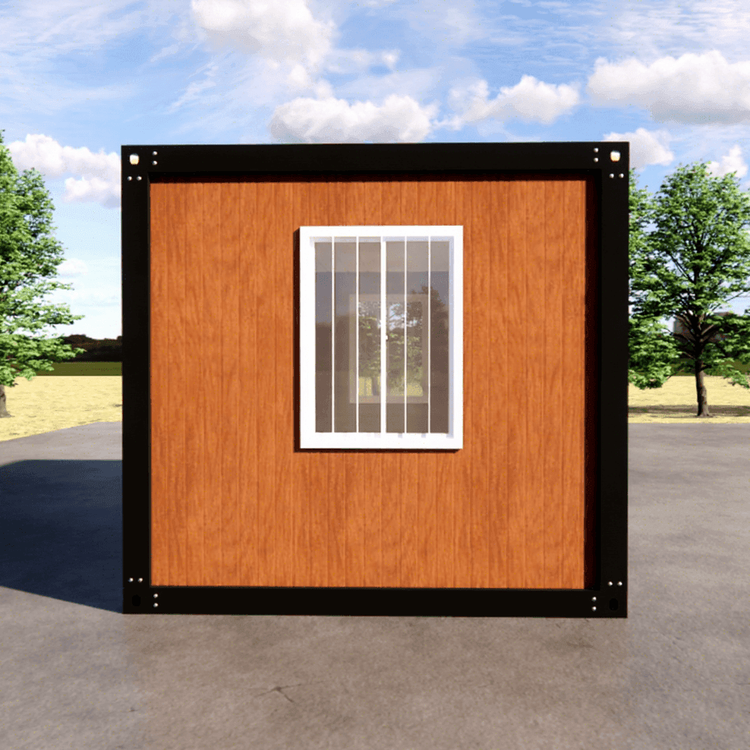
Sewage Treatment Portable Toilet
A sewage treatment portable toilet is a movable sanitation facility widely used in scenic spots, parks, outdoor areas, and other locations, featuring easy installation and a long service life.

Sewage Disposal Methods
There are three main sewage disposal methods for sewage treatment portable toilets:
- Flush Type: This is the most common disposal method, where sewage is discharged into municipal sewage networks or septic tanks through pipes. Its advantage is good cleaning effectiveness, but it requires a connection to a water source and sewage pipes, making it suitable for locations with infrastructure support.
- Vacuum Sewage Suction Type: A vacuum pump is used to suck sewage into a storage tank, which is then periodically cleaned by a sewage suction truck. This method is water-saving and has high sewage disposal efficiency, making it suitable for water-scarce areas or regions without access to municipal sewage networks.
- Biodegradable Type: Microorganisms are used to decompose feces and urine into harmless substances, reducing sewage discharge. This type of toilet is highly environmentally friendly, but it has higher maintenance costs and requires regular addition of bacterial strains.
Brands and Materials
Mainstream brands in the market include Meijie, Youxuan, Yuhao, Fenjun Engineering, Renrenjie, etc. Product styles cover modern, Chinese, minimalist, and others, meeting aesthetic needs in different scenarios. In terms of materials, stainless steel, color-coated steel, and steel structures are commonly used, with processes mainly focusing on steel structures and sheet metal to ensure a sturdy and durable structure.
2026 New Design
The new lightweight plastic portable toilet adopts a lightweight design and is equipped with identification signs, a ventilation system, and a large-capacity freshwater tank. Its gravity-flush sewage tank requires the use of a foot pump, and the exhaust pipe effectively removes odors, enhancing the user experience. Additionally, the design follows principles such as mobility, cost-effectiveness, durability, and environmental friendliness, with an overall lightweight structure, corrosion-resistant materials, and a reasonable mobile device for quick deployment and relocation.
Design Principles
The design of portable toilets should comprehensively consider the following principles:
- Lightweight and Durable: Prioritize the use of lightweight, high-strength materials such as aluminum alloy or composite plastics to reduce transportation costs.
- Environmentally Friendly: Adopt water-saving technologies or biodegradable processes to reduce environmental impact.
- Fully Functional: Reasonably control height and width to ensure user comfort; the mobile device must be stable to avoid tipping risks.
These characteristics make sewage treatment portable toilets an ideal choice for sanitation facilities in public places, balancing practicality and sustainability.