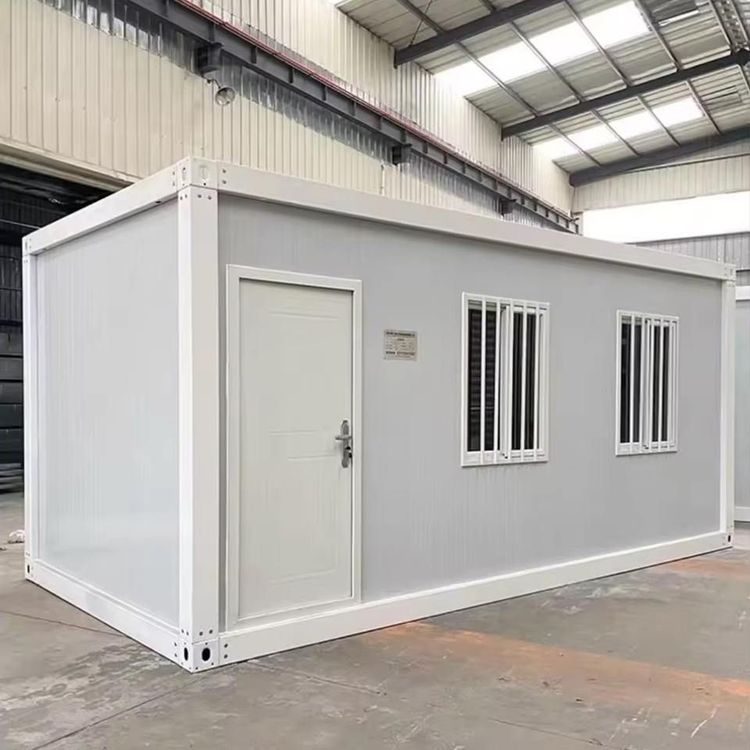
Maintenance of Sewage-Free Mobile Toilets
The maintenance of sewage-free mobile toilets should be systematically carried out from five aspects: exterior cleaning, interior hygiene, facility functionality, waste disposal, and structural safety. Specific measures are as follows:

1. Exterior Cleaning and Maintenance
Wipe the exterior of the toilet daily with a clean, damp cloth to remove dust and surface dirt. For stubborn stains, use a neutral cleaner; strong acids or alkalis are strictly prohibited to avoid damaging the surface coating. Regularly inspect the exterior for integrity, focusing on checking for dents, paint peeling, and loose components. Promptly repair or replace damaged parts to prevent rust or further structural deterioration.
2. Interior Hygiene Maintenance
Clean fecal and urine residues from the toilet bowl daily, and use a specialized deodorizing disinfectant to thoroughly sanitize the toilet bowl, sink, and floor, suppressing bacterial growth and eliminating odors. Regularly replenish consumables such as toilet paper, hand soap, and paper towels to ensure normal use. For waterless mobile toilets, regularly replace the biodegradable bacteria to maintain the activity of the degradation system and prevent blockages or odor spread caused by waste accumulation.
3. Facility Functionality Inspection
Test the smooth operation of door locks and windows during each cleaning to avoid lock failures or window drafts. Check that lighting and ventilation equipment can start normally, ensuring adequate light and air circulation inside the toilet to prevent odor buildup in confined spaces. If equipped with smart features such as sensor flushing or automatic disinfection, test their operational status simultaneously and repair any abnormalities promptly to avoid affecting the user experience.
4. Waste Storage and Pumping Disposal
Sewage-free mobile toilets are equipped with a waste storage tank at the bottom, and the pumping cycle should be planned scientifically based on usage frequency. Professional personnel should use a suction truck to pump the waste regularly and transport it to designated disposal sites. Strict adherence to operational procedures is required to prevent spills and secondary environmental pollution. After pumping, check the tightness of the storage tank to ensure no leakage risks.
5. Structural Safety and Long-Term Maintenance
Toilets placed outdoors for long periods must withstand sun, rain, and frequent use. Regularly inspect the structural stability, focusing on checking for looseness or rust in connectors and supports to ensure overall load-bearing safety. Also, check that components such as hinges and slides are complete and functioning properly, and replace aged parts promptly to extend the equipment's service life.