
Service Life of Prefabricated Panel Houses
The designed service life of prefabricated panel houses is typically 30 to 50 years, with the specific lifespan influenced by factors such as construction quality, maintenance conditions, and policy interventions, requiring a comprehensive assessment based on actual circumstances.
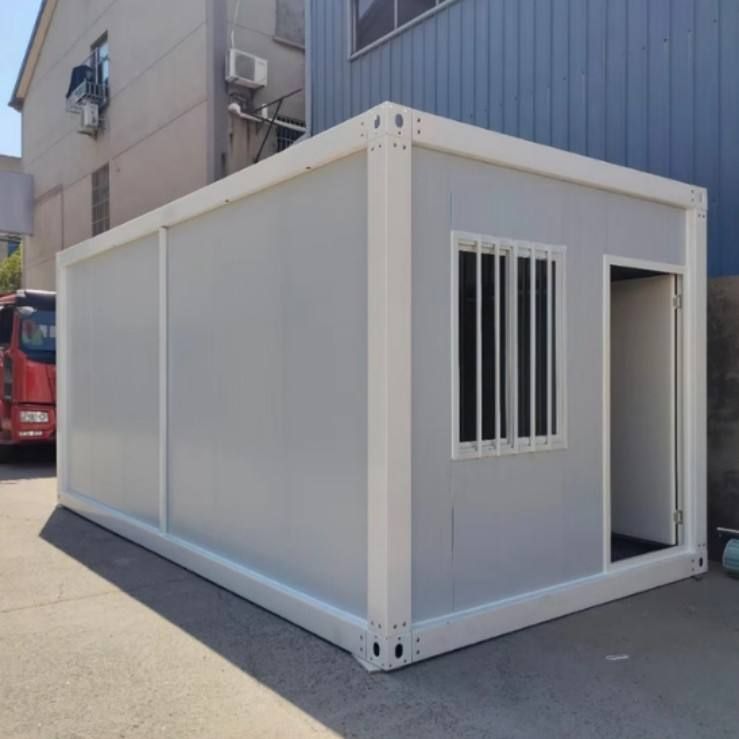
1. Designed Lifespan and Construction Quality
The designed lifespan of prefabricated panel houses is primarily determined by building codes. The national standard for the designed service life of ordinary residential buildings is 50 years, based on the premise of 'normal construction and normal maintenance'. If the construction quality meets standards at the time (e.g., tight joints between prefabricated panels, concrete strength conforming to standards, and reasonable reinforcement configuration), and there are no structural defects due to cutting corners, the house's lifespan can approach the upper limit of the design. Conversely, if there are hidden dangers in construction (e.g., insufficient thickness of prefabricated panels, unreinforced connections), the lifespan may be shortened to 30 years or even less.
2. The Key Role of Post-Construction Maintenance
Maintenance conditions are a core factor affecting the actual lifespan. Regular inspections of joints between prefabricated panels, roof waterproofing layers, and wall cracks, along with timely repairs of leaks and corrosion, can delay structural aging. For example, the roof waterproofing layer needs to be renovated every 10 years to prevent rainwater from penetrating and corroding the reinforcement; wall cracks exceeding 0.3 millimeters require grouting repairs to prevent them from expanding and affecting load-bearing capacity. If properly maintained, even beyond the 50-year designed lifespan, the house can still be used after inspection and reinforcement; if neglected for a long time, safety hazards may emerge 20-30 years earlier.
3. Policy Interventions and Renovation Directions
Since 2022, China has implemented a policy of renovating old residential areas, adopting a strategy of 'renovation first, demolition second' for prefabricated panel houses. Demolition procedures are initiated only when a house is identified as a D-grade dilapidated building (with insufficient overall structural load-bearing capacity) by a professional institution; other houses are extended in lifespan through measures such as reinforcing the building structure, updating pipelines, and adding elevators. For example, some prefabricated panel houses in Shanghai have had their lifespans extended to over 60 years through exterior insulation renovations and reinforcing the bottoms of prefabricated panels with carbon fiber sheets.
Summary: The lifespan of prefabricated panel houses has no fixed value and requires a comprehensive assessment based on construction, maintenance, and policy factors. With standardized construction and regular maintenance, the 50-year designed lifespan can be achieved; if maintenance is lacking or policy renovations are encountered, the lifespan may be extended or shortened. It is recommended that homeowners commission a professional institution to inspect structural safety every 5 years and address hidden dangers promptly.



