
Service Life of Portable Toilets
The service life of portable toilets is influenced by multiple factors and lacks a unified standard. The typical service life ranges from 10 to 15 years, with variations depending on product quality, materials, craftsmanship, usage environment, frequency of use, and maintenance.
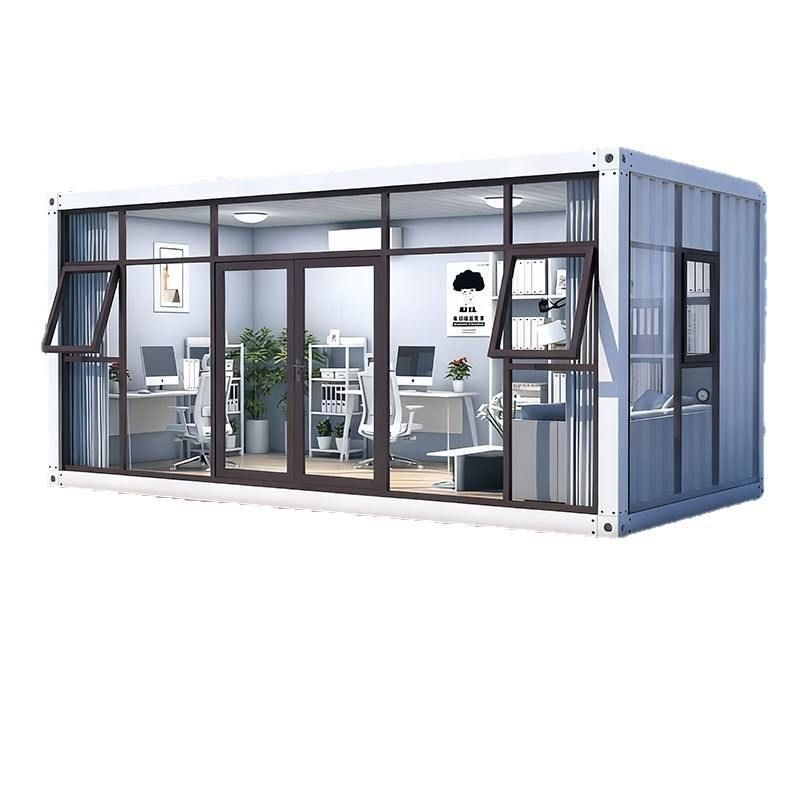
Material Differences Affect Lifespan: The service life of portable toilets varies based on materials. Plastic materials (such as polyethylene) typically last 5-8 years due to weaker weather resistance. Metal materials (like stainless steel or aluminum alloy) can last over 10 years due to strong corrosion resistance, with high-quality steel frame structures even reaching 15-20 years. Composite materials (such as fiberglass-reinforced plastic) combine the properties of plastic and metal, offering a lifespan of 8-12 years. Material selection directly impacts the base lifespan and requires balancing cost and durability based on usage scenarios.
Craftsmanship and Customization Extend Lifespan: High-end customized portable toilets can significantly extend their lifespan through optimized structural design. For example, using fully welded steel frames and lightweight steel composite walls, combined with professional maintenance, can result in a service life exceeding conventional standards, up to 50 years. These products are typically designed for high-intensity usage scenarios, such as tourist attractions and construction sites, reducing long-term wear and tear by enhancing structural stability and material durability.
Environment and Usage Frequency Accelerate Wear: The usage environment is a critical external factor affecting lifespan. Under extreme climatic conditions (such as high temperatures, low temperatures, humidity, or windy and sandy environments), material aging accelerates. Metals may corrode, shortening their lifespan, while plastics may become brittle and fail prematurely. Additionally, the frequency of use directly impacts the wear rate of vulnerable components (such as door locks, hinges, and ventilation equipment). High-frequency usage scenarios (such as large events and transportation hubs) require annual inspections and component replacements to prevent local failures from affecting the overall lifespan.
Maintenance Determines Actual Lifespan: Proper maintenance measures can significantly extend the service life of portable toilets. Regular cleaning, rust prevention treatments, and component replacements can slow down material aging and prevent minor issues from escalating into major failures. For example, metal structures require regular application of anti-rust paint, plastic components should avoid prolonged exposure to sunlight, and ventilation systems need regular cleaning to prevent blockages. Portable toilets lacking maintenance may suffer from single-component failures leading to overall报废 (scrapping), even if the materials are of high quality, making it difficult to achieve the theoretical lifespan.



