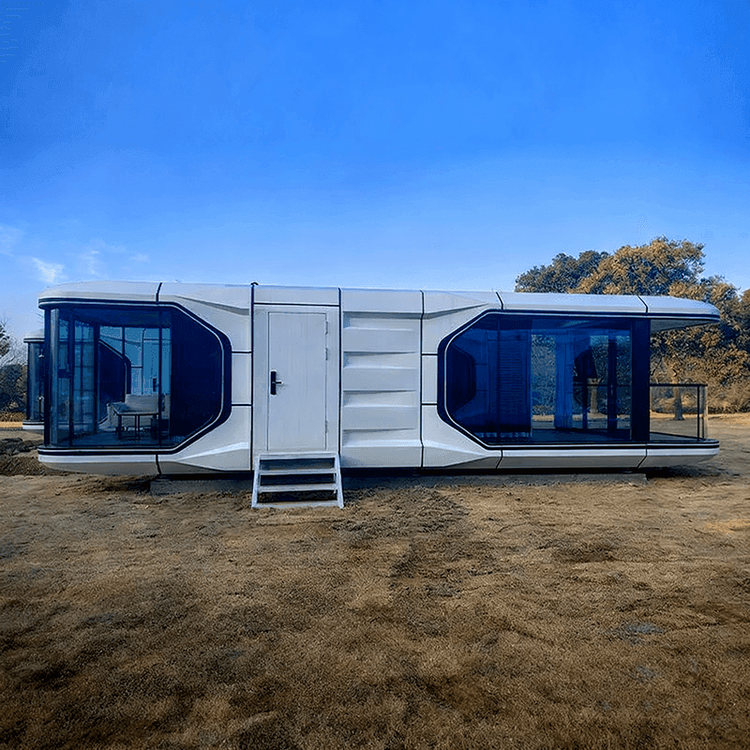
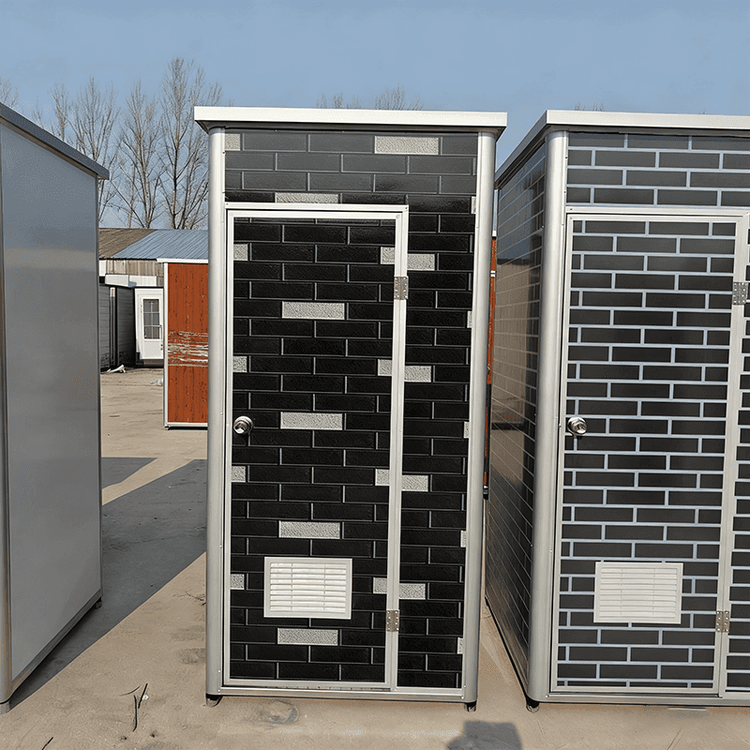
Service Life of Container Houses
The service life of container houses typically ranges from 5 to 30 years, depending on the material, usage scenario, and maintenance conditions. Here is a detailed analysis:

1. Material Differences Directly Affect Basic Lifespan
The core material of container houses is steel, with its thickness and anti-corrosion treatment being crucial. Ordinary steel plates with a thickness of less than 0.6 millimeters may experience severe rusting within 8 years in coastal areas with high humidity. In contrast, galvanized steel or hot-dip galvanized materials with a thickness of over 1.2 millimeters significantly enhance anti-corrosion capabilities, extending the basic lifespan to over 25 years. Some high-quality customized products use stainless steel or special alloys, combined with fine welding techniques, potentially extending the theoretical lifespan to 30 years. It should be noted that products claiming a '50-year lifespan' are mostly light steel villas, which are fundamentally different in structure from ordinary container houses.
2. Usage Scenarios Accelerate Wear and Tear
- Simple Construction Site Housing: To reduce costs, such houses often use thin steel plates and simple construction techniques, with low-quality accessories like doors, windows, and handles. In actual use, fading and rusting may occur within 2 years, and structural strength may significantly decline within 5 years, requiring frequent replacement of parts.
- Adaptation to Extreme Environments: In cold winter regions like Northeast China, thermal break aluminum windows and doors are needed to prevent cold bridge effects; in coastal areas, hot-dip galvanized materials and increased thickness of anti-corrosion coatings are necessary to prevent salt spray corrosion from significantly shortening the lifespan. Without environmental adaptation modifications, even if the materials meet standards, the lifespan may be reduced by 10-15 years.
3. Maintenance Determines the Upper Limit of Lifespan
Regular maintenance can significantly extend the service life:
- Quarterly Maintenance: Check and tighten all screws to prevent structural deformation caused by vibration loosening;
- Monthly Maintenance: Clear accumulated water from the roof to avoid long-term soaking and rusting;
- Annual Maintenance: Conduct a comprehensive inspection and apply anti-rust paint, focusing on easily corroded areas such as welds and corners.
Scientific maintenance can extend the lifespan of a house by 5-8 years. For example, a house originally designed for a 25-year lifespan may last up to 33 years with continuous maintenance. However, if maintenance is neglected for a long time, even with high-quality materials, the lifespan may be shortened to less than 15 years.
Summary: The lifespan of container houses is the result of the combined effects of material, environment, and maintenance. Choosing galvanized steel with a thickness of over 1.2 millimeters, adapting to the usage environment, and establishing a regular maintenance system are core strategies for extending the lifespan. Consumers should be wary of excessive claims and rationally evaluate the actual performance of products.