
Service Life of Cement Prefabricated Integrated Houses
The normal service life of cement prefabricated integrated houses typically ranges from 40 to 70 years, depending on factors such as structural type, assembly quality, environmental conditions, and maintenance.
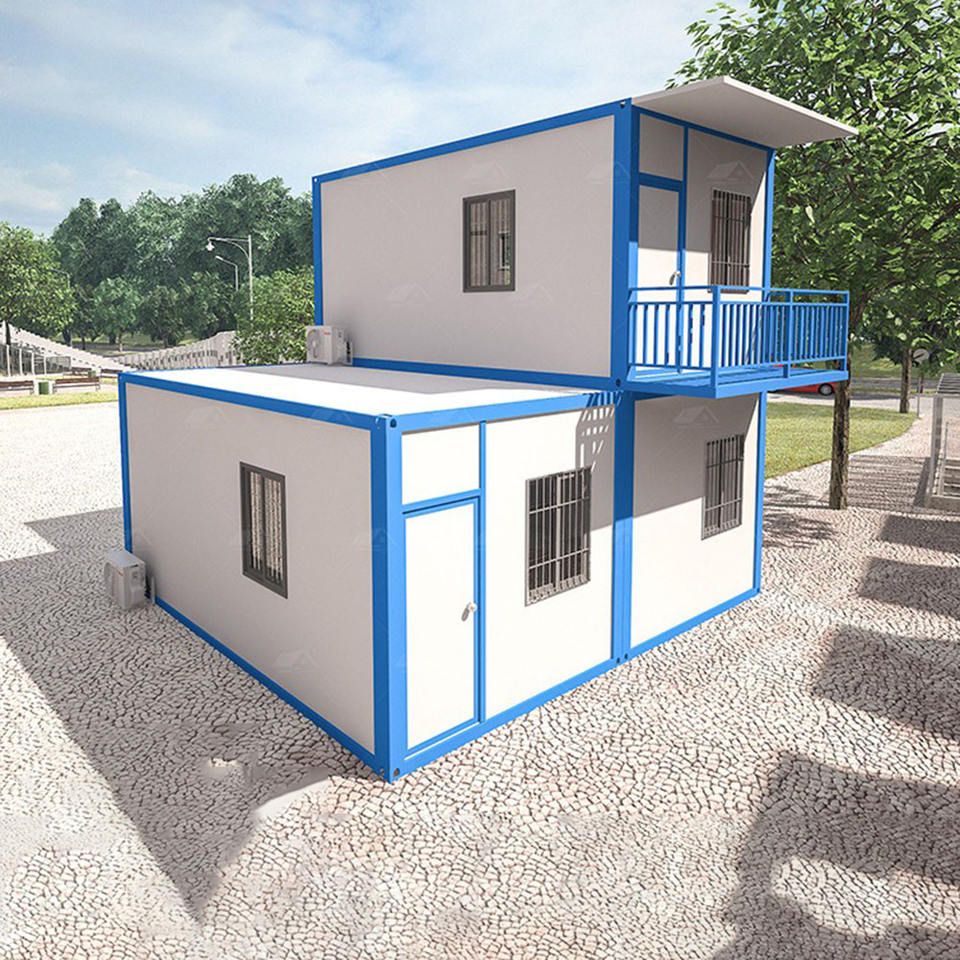
Structural Type and Quality Assurance
The main structure of cement prefabricated integrated houses is usually made of reinforced concrete, with some manufacturers claiming a quality assurance period of up to about 70 years. Such structures inherently possess high durability, and the modules themselves do not have durability issues. Their lifespan primarily depends on the material strength and design rationality. For example, properly produced reinforced concrete components can maintain structural stability for a long time without external force damage.
Impact of Assembly Connection Technology
Assembly quality is a key factor determining lifespan. If the splicing is properly handled and the design is reasonable, the house can meet long-term usage requirements in non-seismic zones. Conversely, if there are defects in the connection joints (such as loose bolts or poor welding), it may lead to a decrease in structural integrity and shorten the service life. Experts point out that the core technology of prefabricated buildings lies in the connection method between modules, and strict quality control is required to ensure joint reliability.
Actual Cases and Usage Environment
From actual cases, prefabricated cement panel houses built around 2001 still had a well-maintained main structure after 20 years without significant external influences, except for roof waterlogging due to earthquakes and exterior aging. It is estimated that the total lifespan could reach 40 to 50 years. However, earthquakes and other vibrations can significantly reduce lifespan—prefabricated panels are prone to cracking during vibrations, making them uninhabitable as dangerous houses. Additionally, humid and corrosive environments (such as coastal areas) can accelerate steel reinforcement corrosion, further affecting durability.
Maintenance and Usage Management
Regular maintenance can extend the lifespan of the house. For example, measures such as timely repair of cracks, replacement of aged connectors, and strengthening of waterproofing can effectively delay structural degradation. If maintenance is lacking for a long time, even if the initial quality is good, the house may suffer from a chain reaction of local damage, leading to a shortened lifespan.
Summary: The lifespan of cement prefabricated integrated houses requires a comprehensive assessment of structural quality, assembly techniques, environmental conditions, and maintenance levels. Under ideal conditions, their lifespan can exceed 50 years, but this must be ensured through standardized design, construction, and maintenance.



