Selling Mobile Toilets Work
The work of selling mobile toilets mainly involves design, manufacturing, sales, and leasing, requiring comprehensive capabilities from product development to after-sales maintenance.

Product Types and Features
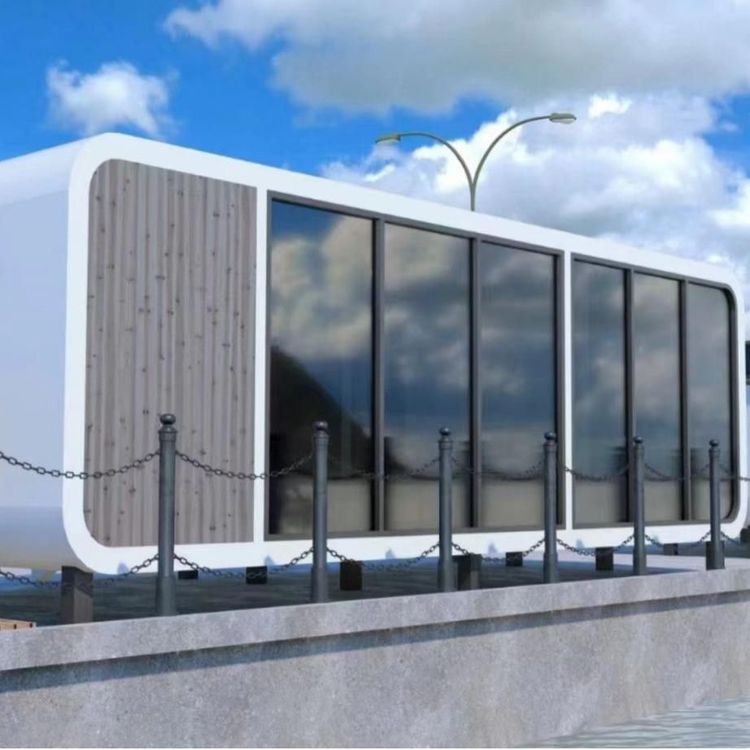
Mobile toilet products come in various types to meet different scenario needs. Single-unit mobile toilets are suitable for small-scale temporary use, with a compact structure; modular mobile toilets can expand capacity through module assembly, ideal for large events; mobile toilets with barrier-free access are specifically designed for the disabled, reflecting human-centered design; eco-friendly mobile toilets use microbial degradation or recycled water flushing technology to reduce water consumption, aligning with green environmental protection concepts; luxury mobile toilets are equipped with air conditioning, lighting, ventilation fans, and other facilities to enhance user comfort. Product dimensions are flexible, with lengths ranging from 1.2 meters to 3.0 meters, and widths and heights adjusted according to the actual site to ensure adaptability.
Materials and Craftsmanship
The main frame is generally made of steel structure to ensure structural stability. Exterior wall materials can be selected from galvanized steel sheets, stainless steel sheets, aluminum sheets, or metal carved panels, balancing durability and aesthetics; the interior uses rock wool or polyurethane for thermal insulation, adapting to different climatic conditions; the floor is laid with anti-slip flooring and paired with a waterproof layer to ensure safety and hygiene; doors and windows mostly use aluminum alloy profiles with insulated tempered glass to enhance sealing and impact resistance.
Customized Services and Production Cycle
Enterprises provide customized services based on customer needs, including size layout, door and window positions and opening methods, internal circuit configurations (such as sockets, lighting, and air conditioning reservations), exterior colors, and logo designs. The production cycle is typically 7 to 15 days, depending on the complexity of the plan. After prefabrication, the product is transported to the site in whole or modular form, installed through lifting or assembly, and can be put into use after connecting to water and electricity.
Leasing Services and Application Scenarios
In addition to sales, enterprises also offer leasing services, covering high, medium, and low-end products, ensuring cleanliness, odorlessness, and hygiene, with a simple and elegant appearance. Leasing services include door-to-door delivery, suitable for temporary scenarios such as construction sites, marathons, music festivals, product launches, and construction projects, meeting short-term or periodic needs.