
Selling Mobile Toilets in India
There is significant market potential for selling mobile toilets in India, but risks and challenges must be carefully evaluated.
A Vast Market Demand Base
India faces one of the most severe open defecation issues globally. According to World Bank data, approximately 600 million people in India still lack access to basic sanitation facilities, with the number of people defecating in the open exceeding the total population of Europe. This situation directly drives a rigid demand for mobile toilets, particularly in rural areas, temporary event venues (such as markets and religious festivals), and urban areas with insufficient public spaces. Since the launch of the Indian government's "Swachh Bharat Mission" (Clean India Mission) in 2014, over 100 million household toilets have been constructed, yet public toilet coverage remains inadequate, making mobile toilets a meaningful supplementary solution.
Policy Support and Business Cases Validate Feasibility
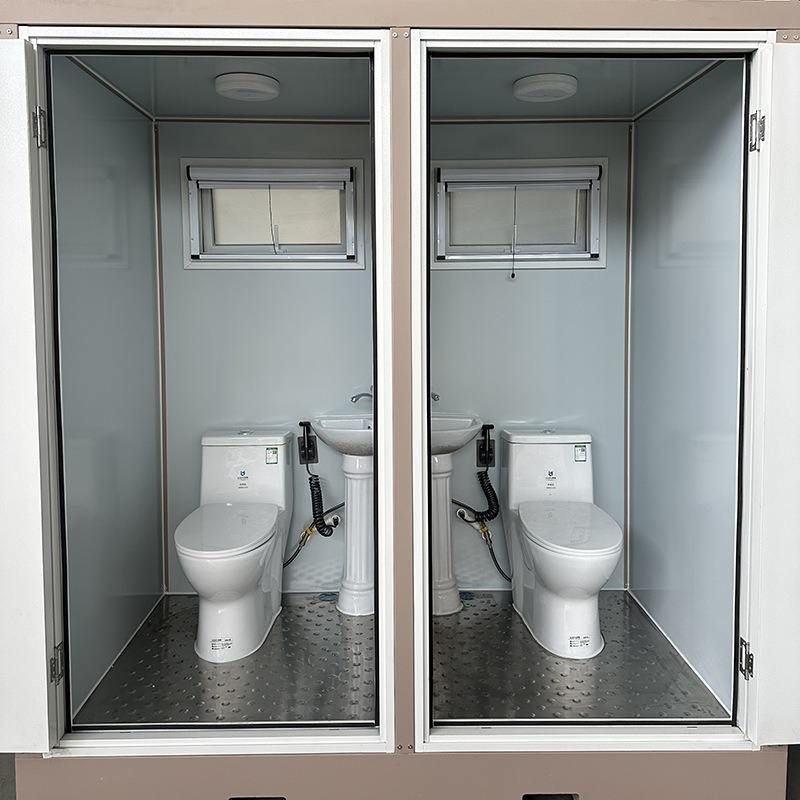
The Indian government encourages the普及 (popularization) of sanitation facilities through financial subsidies, tax incentives, and other measures, with some regions providing funding support for mobile toilet procurement. Additionally, there are successful international cases: companies from China, South Africa, and other countries have exported mobile toilets to India, including container-type, trailer-type, and eco-friendly biological toilets, for use in construction sites, disaster areas, and tourist attractions. This indicates that mobile toilets are acceptable in the Indian market and that their technical adaptability has been preliminarily verified.
Key Potential Challenges
- User Experience and Maintenance Issues: The quality of public space services in Indian cities varies greatly, with some major cities lacking public toilets or having poor sanitation conditions at night, directly affecting user trust in mobile toilets. If products are not maintained promptly (e.g., for sewage disposal and cleaning), market reputation may decline.
- Cultural Habit Differences: Some Indian residents have low acceptance of paid public toilet use, necessitating pricing strategies (e.g., free or low-cost options) or government collaboration models to reduce promotion resistance.
- Inadequate Infrastructure Support: Mobile toilets rely on water and electricity supply as well as sewage systems. In remote or infrastructure-weak regions, technical solutions for energy (e.g., solar power) and sewage treatment (e.g., septic tanks) must be provided.
Recommended Strategies
- Prioritize Collaboration with Governments or NGOs: Reduce market entry barriers and enhance credibility by participating in government sanitation projects or collaborating with non-governmental organizations.
- Customize Product Design: Develop durable, easy-to-clean, and low-cost products tailored to India's climate (high temperatures, heavy rainfall) and usage scenarios (high traffic, low maintenance), such as modular assembly toilets or biodegradable technology toilets.
- Strengthen After-Sales Service Networks: Establish localized maintenance teams to provide regular cleaning, consumable replenishment, and fault repair services, addressing user concerns.
In conclusion, the Indian mobile toilet market is driven by demand and policy dividends, but risks must be mitigated through technical adaptation, innovative models, and localized operations to achieve sustainable growth.


