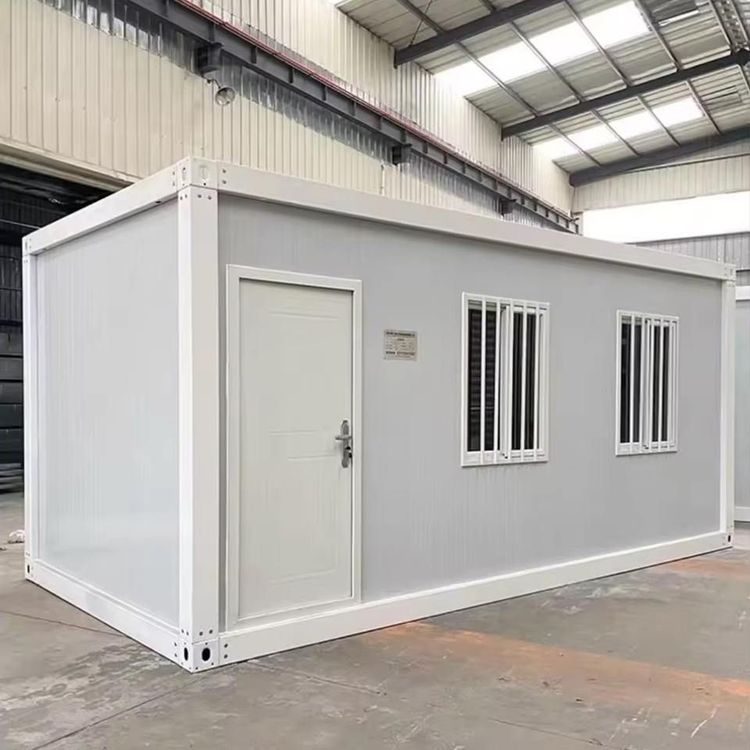
Selling Goods from Containers on Houses
Whether it is legal to place containers on houses for selling goods depends on the situation, as discussed below:

Legal Situations
- Temporary and Consented: If short-term activities are carried out on homestead land, such as house renovation, and containers are temporarily placed to store tools or materials, with prior consent from the village committee and without causing substantial impacts on the planning and normal use of the homestead land, it is generally not considered illegal. For example, if a villager temporarily places a container to store building materials for house repairs, with approval from the village committee and without affecting the surrounding environment, it is a legal act.
- Legal Approval and Renovation: If the container has undergone legal approval procedures and has been renovated into a building suitable for production and business purposes, such as a specialty kiosk, and has obtained planning permission from relevant departments, forming a complete space with the original building, then the placement is legal. For example, after approval from the urban and rural planning department, renovating a container into a shop that meets safety standards and obtaining a business license is legal business operation.
- Compliance with Planning and Policies: If the placement of the container complies with local urban and rural planning requirements, does not occupy land quotas, and has completed relevant procedures as stipulated, such as temporary building management regulations, its legality may be protected by policies. For example, placing a container in a temporary business area designated by the government and completing filing procedures is a legal act.
Illegal Situations
- Changing Land Use Without Approval: Homestead land has specific uses and planning requirements. If a container is placed for commercial operations without approval, such as an unapproved kiosk, it violates land management laws and regulations.
- Affecting Planning Implementation: If the placement of the container disrupts the integrity and coordination of the overall rural planning, such as not complying with village planning and design requirements, it is an illegal act.
- Posing Safety Hazards: If the container is placed in fire exits, has an unstable structure, or affects the safety of surrounding houses, it may pose a threat to people and houses, making it illegal.
- Placement on Illegal Buildings: If the homestead land itself is an illegal building, placing a container house on it is also illegal.
- Changing Use Nature: If a container house is changed for commercial use without approval, such as setting up a stall to sell goods, it may violate relevant regulations.
Legal Advice: Before placement, consult local land management departments or urban and rural planning departments to understand specific policies and regulations; ensure that the act complies with land use planning and does not change the agricultural or residential use of the homestead land (unless legally approved); complete necessary approval procedures, such as building permits and business licenses; ensure that the placement of the container does not affect the planning and use of the homestead land and does not pose safety hazards. If the land use is changed or containers are placed without approval, one may face penalties from the land management department, such as fines and orders to restore the original state.