
Self-Welding Container House
It is feasible to self-weld a container house, but certain conditions must be met and standard procedures must be followed. The following provides a detailed explanation from the perspectives of feasibility, material preparation, welding steps, and precautions:
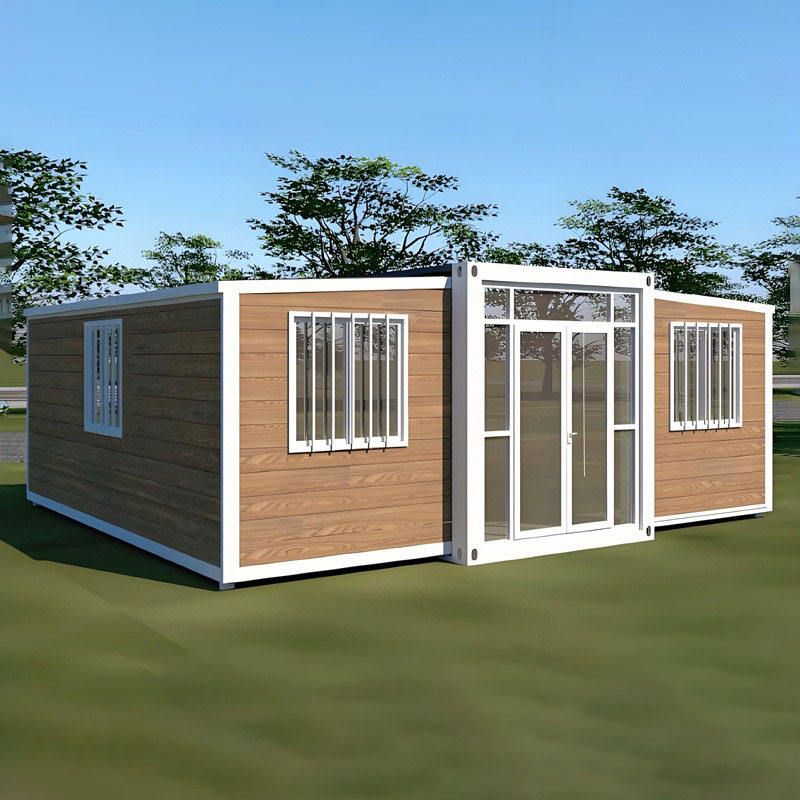
Feasibility Analysis
Welded container houses are formed by integral welding in factories. Their structural load paths are direct, with roof loads transferred through sidewall columns to the bottom sills and then evenly distributed to the ground. This makes them highly resistant to deformation and suitable for frequent lifting and relocation. This indicates that the welding process can meet the structural strength requirements of container houses, and individuals with the corresponding skills and equipment can attempt self-welding.
Material Preparation
- Steel: This includes channel steel and square tubes. Channel steel is used for welding the main crossbeams around the top and bottom of the container, such as 5X10 channel steel. The chassis crossbeams can use 4X8X2.0 square steel with a general spacing of 35 centimeters. The house columns and the four perimeter beams of the roof can use 5X5X2.0 square steel. The column thickness should be no less than 1mm and usually requires professional equipment for shaping, although ready-made options are available on the market.
- Panels: Corrugated panels are used for the walls and roof of the house. Fire-resistant floors and wooden floors are used for flooring, and color-coated steel sheets can also be prepared as needed.
- Other Materials: Doors, windows, ceiling materials, etc., are used to enhance the functionality and decoration of the house.
Welding Steps
- Chassis Welding: First, weld the steel frame around the chassis using channel steel. For a 3mX6m residential container house, welding should be carried out according to the design requirements.
- Frame Welding: Weld the six columns of the house to the four perimeter beams of the roof using full-penetration welding to ensure the frame's sturdiness.
- Panel Installation: Install corrugated panels and other panels onto the frame and weld them in place, paying attention to the quality and tightness of the welds.
- Door and Window Installation: Install doors and windows at the corresponding positions of the house to ensure smooth opening and closing and good sealing performance.
Precautions
- Skill Requirements: Welding a container house requires certain welding skills and experience. If learning from a master, basic operations can be learned in 2-3 days, but it may take about a month to become proficient in production.
- Equipment Requirements: Appropriate welding equipment, such as a professional welding machine, is needed. For example, the Megmeet all-digital industrial heavy-duty MIG/MAG/CO2 DC/pulse intelligent welding machine can be used for welding the front wall panels and side panels of containers, addressing issues such as slow welding speed and unstable arcs.
- Safety Regulations: During the welding process, strictly follow safety operating procedures and wear protective equipment to prevent fires, electric shocks, and other safety accidents.



