
Self-Welded Mobile Toilet
The self-welded mobile toilet is a portable public sanitation facility manufactured through manual welding processes, combining structural stability with mobility, suitable for various scenarios.
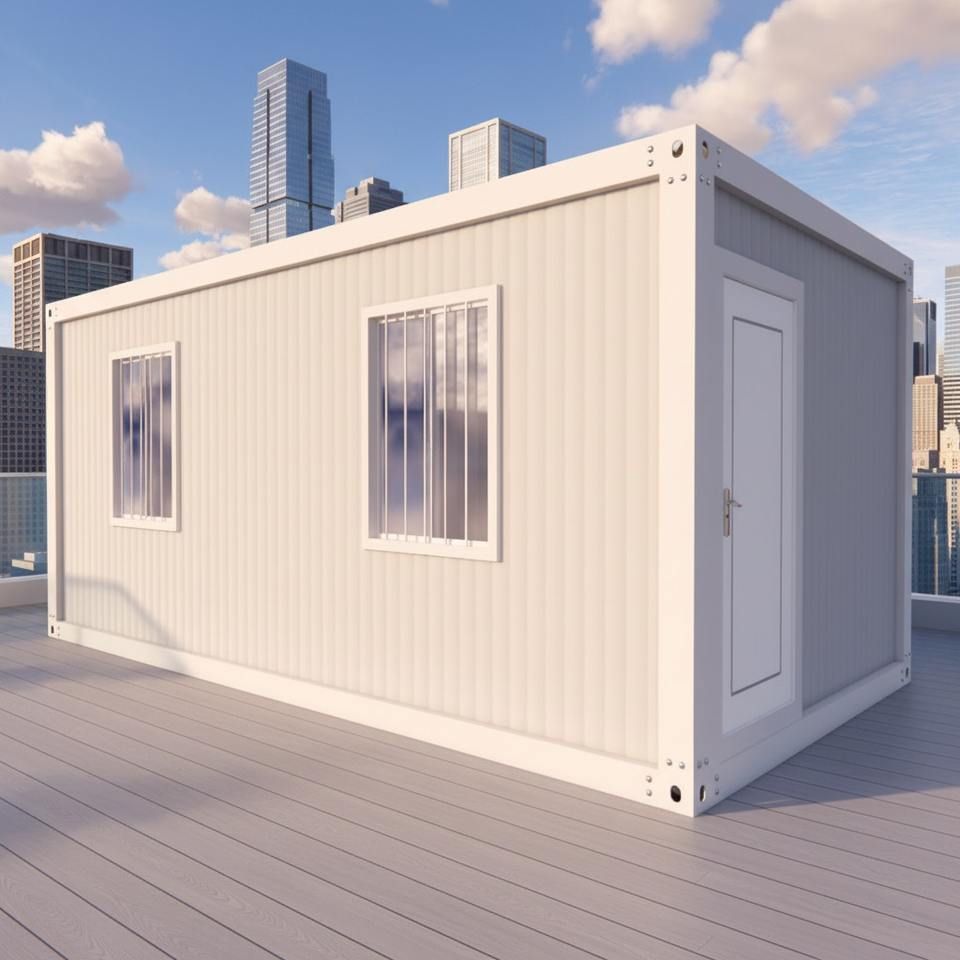
Technical Principles and Process Characteristics
The main frame is made of stainless steel, galvanized steel pipes, or galvalume materials, welded using processes such as manual arc welding and gas shielded welding. Manual welding offers high flexibility, allowing adjustments to structural details to ensure connection strength and sealing, making it particularly suitable for small-batch, customized production. For example, container-style mobile toilets use galvalume materials to weld high-strength steel frames, with a box thickness of 50mm. The interior is treated with insulation and waterproof layers, balancing durability and environmental adaptability.
Material and Structural Design
- Material Selection: Stainless steel is corrosion-resistant and easy to clean, suitable for outdoor environments; galvanized steel pipes are cost-effective and can have their lifespan extended with anti-rust paint coatings; galvalume materials offer excellent anti-aging properties, adapting to complex climates.
- Structural Design: Divided into single units (1-2 square meters, equipped with squat toilets, sinks, etc.), multi-unit connected designs (meeting high foot traffic demands), and modular combinations (facilitating transportation and expansion). Container-style designs enable rapid hoisting and installation through standardized components and reinforced structures, with a load-bearing capacity of up to 5 tons, capable of withstanding long-term use pressures.
Supporting Facilities and Functions
Standard configurations include ventilation systems (windows or exhaust fans), soundproof panels, lighting equipment, and septic tanks (or direct drainage pipes). High-end models add air conditioning, smart sensor flushing, barrier-free facilities, and some are equipped with leakage protectors for safety. For example, mobile toilets in scenic areas may incorporate odor control treatments and natural lighting designs to enhance user experience.
Application Scenarios and Advantages
Suitable for municipal sanitation (supplementing fixed toilet shortages), tourist attractions (flexible deployment minimizing landscape disruption), construction sites (relocating with projects), large-scale events (rapid installation and dismantling), and villa areas (balancing functionality and aesthetics). Its core advantages lie in rapid deployment, mobility, and customization capabilities, such as meeting short-term high demands at music festivals through modular combinations.
Industry Standards and Maintenance
Must comply with the "Urban Public Toilet Design Standard" (CJJ 14-2016), including requirements for area, ventilation, and odor control. In terms of environmental protection, septic tanks must be leak-proof, and wastewater discharge must meet standards. Regular cleaning, inspection for loose welds, and replacement of worn components such as seals and flush valves can extend the service life to over 10 years.
Cost and Customization
Basic models (single units, stainless steel frames) cost approximately 5,000-10,000 yuan; standard models (multi-unit connected, with septic tanks) cost around 10,000-30,000 yuan; high-end models (modular, with smart functions) have higher costs. Customers can adjust dimensions, materials, and functional modules according to their needs, achieving personalized configurations.



