
Self-Processing Mobile Toilet
A self-processing mobile toilet is a mobile toilet that achieves effective treatment of excreta and resource recycling through specific technological means. Common types include circulating water-flushing type, dry-packing type, and other technological types.
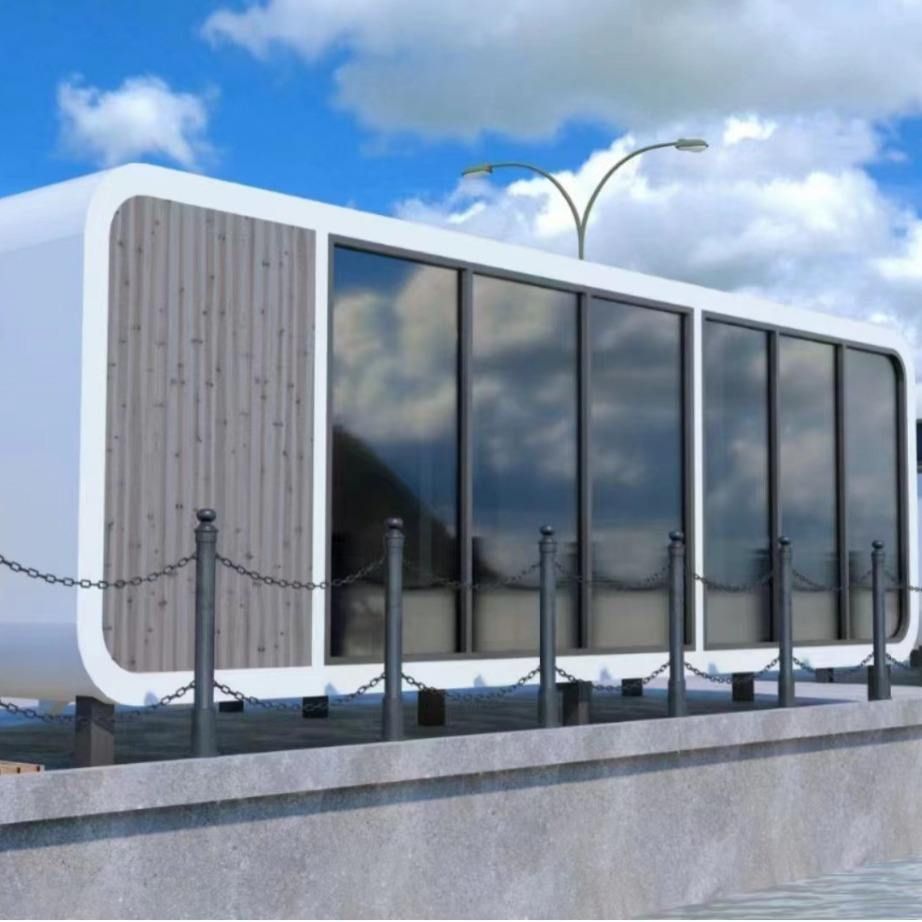
Circulating Water-Flushing Mobile Toilet: This type of toilet is equipped with an intermittent aerobic and anaerobic treatment device for fecal sewage. During the treatment process, biological strains are added, and biofilm technology is applied. The biofilm provides a place for microorganisms to attach and grow, accelerating the decomposition of organic matter in fecal sewage. After this series of treatments, the original sewage becomes relatively clean and can be recycled for toilet flushing again, achieving water resource recycling and significantly reducing water consumption. It is suitable for places with high water resource utilization requirements and certain sewage treatment conditions, such as large-scale event venues and tourist attractions.
Dry-Packing Mobile Toilet: This type of toilet has no water-flushing device. Its core treatment method is to use biodegradable plastic bags to receive excreta. After the user finishes using it, the toilet automatically replaces the plastic bag with a new one and collects the plastic bags containing excreta for unified treatment later. This method does not require water, avoiding water waste. At the same time, the use of biodegradable plastic bags meets environmental protection requirements. It is suitable for water-scarce areas or places with high environmental sanitation requirements and inconvenient water use, such as wild construction sites and remote mountainous areas.
Other Common Technological Types: Foam-sealing mobile toilets use the lubricating and sealing effects of foam to reduce odor emission and prevent excreta from coming into contact with the air. Packing-type toilets are similar to dry-packing types but may differ in packing methods or materials. Water-saving flushing types reduce the water consumption per flush by optimizing the flushing structure. Water-free rechargeable types do not require water and rely on special designs and materials to treat excreta. Microbial types use the decomposition effect of microorganisms to treat excreta. These types all have the characteristics of self-treatment or water-saving treatment and can be selected according to different usage scenarios and requirements.


