
Back to blog
Article
Self-made Multi-functional Mobile Toilet
Admin October 08, 2026
The self-made multi-functional mobile toilet can be realized through the following three plans:
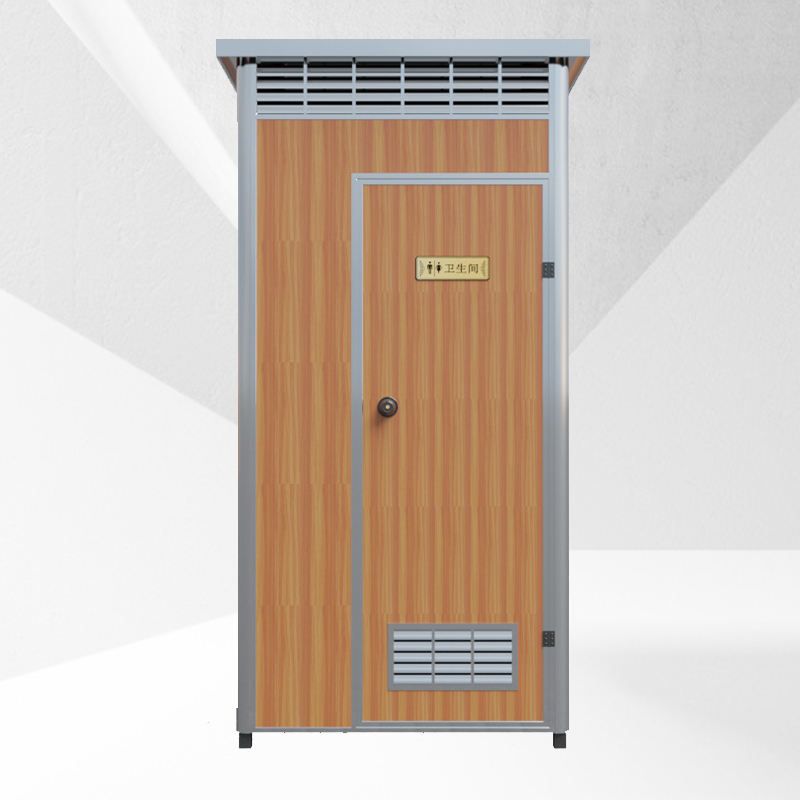
Plan 1: Water Storage Bucket Modification Type
- Basic Structure: Split a 100L food-grade PE water storage bucket in half, install four universal wheels with a load-bearing capacity of ≥50kg at the bottom, and use wooden strips and self-tapping screws to increase the height of the bucket body to about 1.2m.
- Walls and Roof: Cut an entrance on the side of the bucket, use sponge strips to form a door frame, and embed plastic soft panels to create walls; invert the upper part of the bucket as the roof and apply white waterproof paint to enhance aesthetics.
- Functional Modules: Drill a hole at the bottom of the bucket to install a drain pipe (floor drain), connect a plastic bucket on the side as a small water storage device, and connect a bathroom heater (requiring a self-made heating device) through a water pipe; install a three-way joint below the water inlet pipe to connect a showerhead and a washbasin (extending to the entrance) respectively; place a toilet inside and fix the water tank, and connect the drain pipe to the sewage bucket.
- Detail Optimization: Use foam strips to splice discarded honeycomb wooden boards to make a simple door, and drill holes on the door to install connectors; a float switch can be installed inside the bucket to monitor the water level, a non-slip mat can be placed at the bottom, and thermal insulation cotton can be wrapped in winter to prevent freezing.
Plan 2: Water Storage Tank Stacking Type
- Mobile Chassis: Fix four universal wheels at the bottom of a pallet and place a recycled water storage tank (which needs to be cleaned and disinfected).
- Tank Body Processing: Use an angle grinder to cut the top of the water storage tank to form an opening, stack two open tank bodies and fix them with self-tapping screws; cut the outer frame and the tank body to form an entrance, and drill a hole in the internal floor to install a drain elbow.
- Sanitary Facilities: Place a toilet and seal the drain with glue, use wall clips to fix water pipes and faucets; connect a pipe cap to the water pipe as a drain, install a stainless steel washbasin after applying glass glue; connect the water inlet pipe of the toilet water tank and the shower hose, and install a showerhead-type shower bracket.
- Door and Accessories: Make a door with wooden boards and hinges and install a door handle, and install a toilet seat inside.
Plan 3: Modular Lightweight Type
- Water Storage System: Select a 100L food-grade PE bucket, install universal wheels with brakes at the bottom, and drill two holes on the side to connect an outlet pipe (equipped with a small faucet) and an overflow pipe respectively.
- Frame and Enclosure: Use PVC pipes to build a 1.2m×0.8m square frame, cover it with Oxford cloth waterproof fabric, and leave a ventilation opening at the top.
- Functional Integration: Place a biodegradable plastic bag folding toilet (such as the Nature's Head portable model) on the bucket, and place a small washbasin next to it to connect to the outlet pipe; install a float switch inside the bucket to automatically remind to add water, and the wastewater can be used to flush the toilet or water the flowers.
- Adaptive Design: Place a non-slip mat at the bottom, wrap thermal insulation cotton in winter, and the overall structure is lightweight and easy to disassemble.
Key Precautions:
- The materials should be food-grade PE or stainless steel to ensure they are non-toxic and durable;
- The drainage system should be sealed to prevent leaks, and the toilet should be aligned and fixed with the drain;
- The mobile toilet should be regularly cleaned, and anti-freezing measures should be taken in winter.



