
Back to blog
Article
Self-Cleaning Mobile Toilet
Admin September 24, 2026
A self-cleaning mobile toilet is a public sanitation facility that achieves automatic cleaning through mechanical, intelligent, and environmentally friendly technologies, aiming to reduce manual maintenance and enhance hygiene standards.
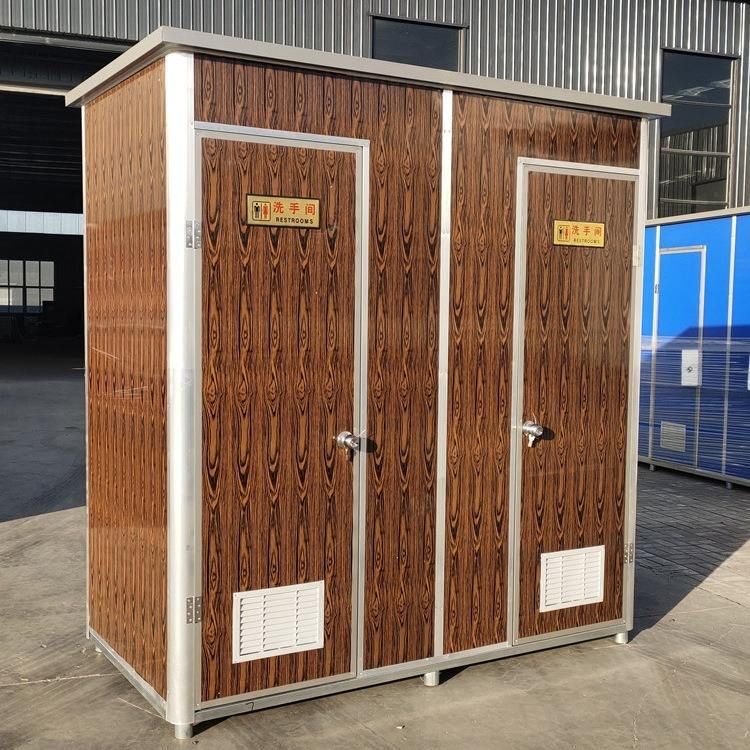
Technical Implementation Methods
Mechanical Cleaning Devices
- Physical Scraping Technology: Some designs employ piston-type scraper mechanical devices to achieve waterless or water-saving cleaning of the fecal channel through physical scraping, reducing water consumption.
- High-Pressure Flushing System: Innovative foreign designs, such as the fully automated cleaning toilet in the Netherlands, feature a 360-degree rotating toilet bowl that works in conjunction with a high-pressure water jet and biodegradable detergent for comprehensive cleaning. The floor is made of permeable tiles for easy drainage.
Intelligent Control Systems
- Automated Operations: In domestic patented technologies, mobile toilets are equipped with small fans, exhaust fans, flushing heads, and control components to automatically complete ventilation, deodorization, and local flushing. For example, disinfectant and air freshener cartridges maintain air freshness through suction pumps and spray heads.
- Time Management: Some designs use display screens to count down the user's toilet time, preventing long-term occupation and indirectly improving cleaning efficiency.
Water-Saving and Environmental Protection Technologies
- Water Resource Recycling: Mobile environmental toilets collect hand-washing water and add special agents to achieve a flushing effect with only 0.46 liters of water per person, meeting water-saving standards.
- Waterless Flushing Technology: Waterless flushing, foam sealing, and other technological routes further reduce water dependency, making them suitable for water-scarce areas.
Structural and Material Advantages
- Frame Structure: Constructed using national standard steel welding and covered with anti-corrosion and fire-resistant materials such as color-coated steel plates and carved panels, with a service life of over 20 years.
- Wall Materials: Include fiberglass, stainless steel, and metal carved panels, meeting the requirements for lightness and durability.
- Mobility: The entire unit can be moved through lifting, towing, or powered devices, adapting to the needs of temporary or fixed locations.
Application Scenarios and Typical Cases
- Public Places: Widely used in scenic spots, service areas, rural areas, stations, docks, and large construction sites. For example, Dalian uses mobile toilets during peak tourist seasons to alleviate crowd pressure; Jinci Scenic Spot in Shanxi increases its daily reception capacity by deploying buses as mobile men's toilets.
- Innovative Designs: The automatic cleaning mobile toilet developed by Jinan Liwei Environmental Sanitation Equipment Co., Ltd. integrates fans, exhaust fans, flushing heads, and disinfection systems, achieving automated operations through control components; the fully automated cleaning toilet in the Netherlands achieves 24-hour unmanned cleaning through toilet rotation, high-pressure water jets, and glass enclosure isolation technology.



